
 DE
DE  EN
EN  ES
ES  FR
FR  PT
PT  IT
IT 

Inhaltsübersicht
Einführung
Overview of Transport in Mexico City (Quick Guide for Tourists)
What is the best way to get around during the World Cup?
Uber Mexico City vs Taxis: What Should Travelers Choose?
How Much Does Transportation Cost in Mexico City?
Tips for Moving Around Mexico City on Match Days
Best Apps for Transportation in Mexico City
Where Are the Main World Cup Stadiums and How to Get There?
Conclusion: The Best Way to Get Around Mexico City During the World Cup
Einführung
Welcome to the ultimate guide for navigating one of the most vibrant, chaotic, and beautiful megalopolises in the world. As Mexico City prepares to host the opening match of the FIFA World Cup 2026 at the new Estadio Banorte, getting from point A to point B efficiently is going to be your most important “play” of the tournament.
Whether you are here for the football, the tacos, or the world-class museums, this guide will help you master transport in Mexico, specifically focusing on the Metro Mexico City and Uber Mexico City to ensure you spend less time in traffic and more time enjoying the “vibe.” And if you want a more personalized way to explore the city during your stay, consider booking a private tour guide in Mexico City, ideal for discovering its highlights without worrying about logistics.
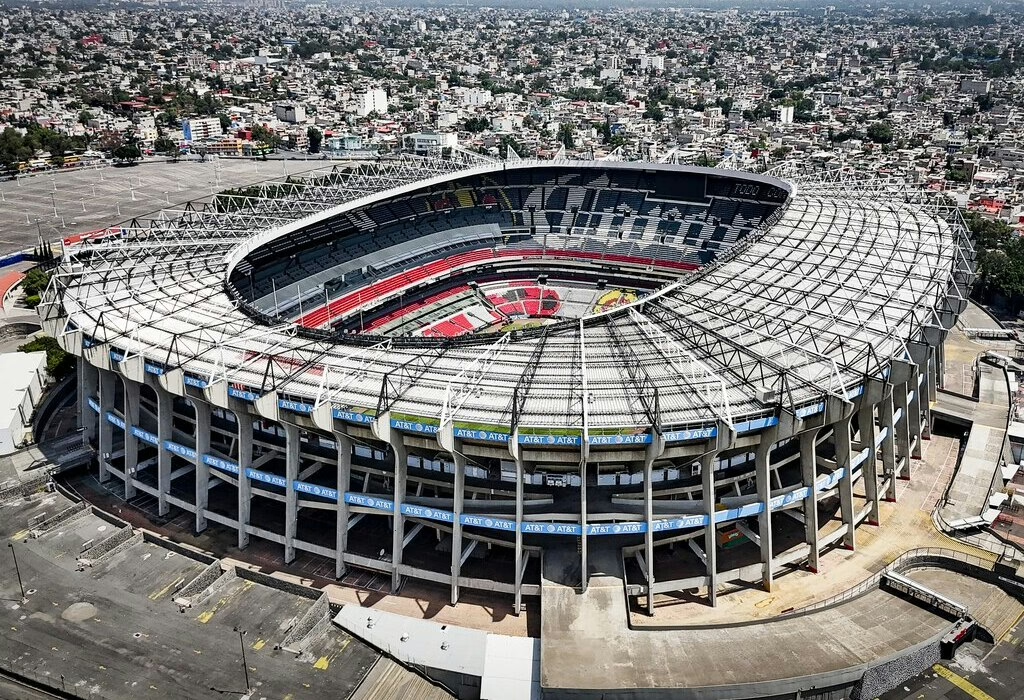
How to Move Around Mexico City During the World Cup
Mexico City is massive. With over 22 million people in the metropolitan area, the sheer scale can be intimidating for first-time visitors. During the World Cup, the city expects an influx of millions of fans, meaning the usual traffic—already famous for its intensity—will reach new levels.
To survive and thrive, you need a multi-modal strategy. Relying on just one form of transport is a rookie mistake. The secret is knowing when to dive into the underground efficiency of the Metro and when to opt for the door-to-door comfort of a rideshare app.
Overview of Transport in Mexico City (Quick Guide for Tourists)
Main transportation options in Mexico City
The city offers a robust, interconnected system:
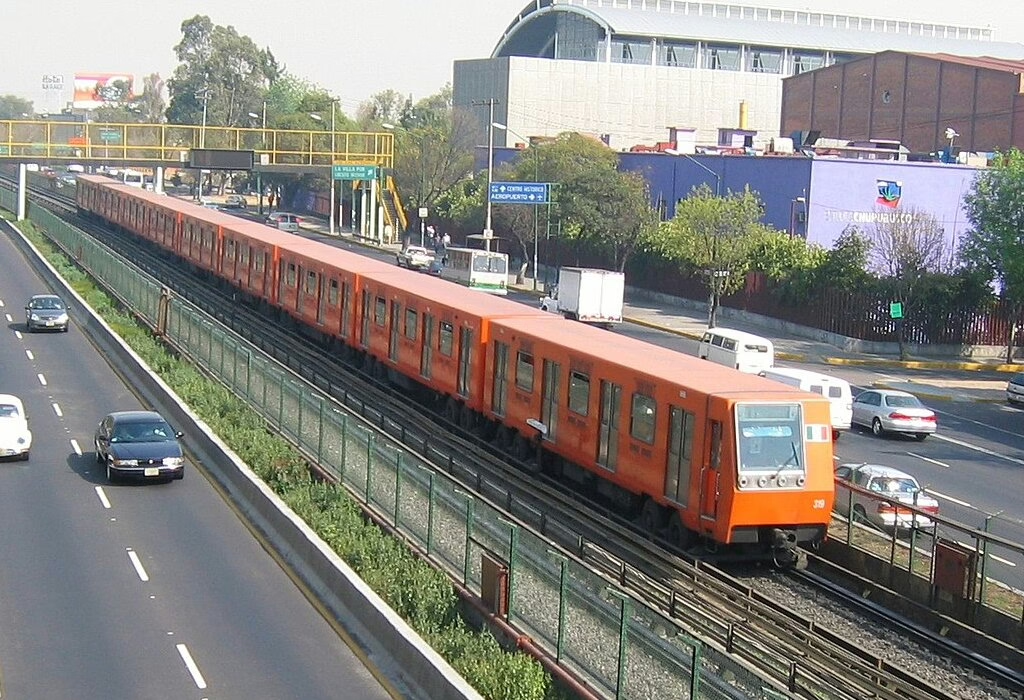
- Metro (Subway): The backbone of the city with 12 lines.
- Metrobús: Rapid transit buses with dedicated lanes on major avenues like Reforma und Insurgentes.
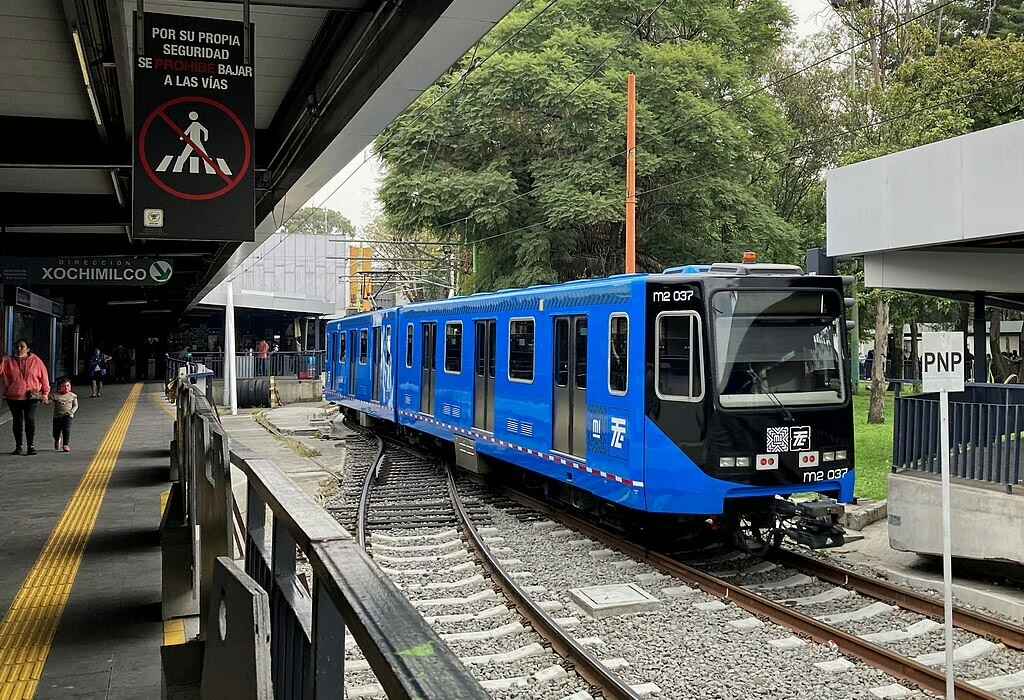
- Tren Ligero (Light Rail): Essential for reaching Estadio Banorte.
- Uber & Didi: Reliable rideshare apps available 24/7.
- Ecobici: A massive public bike-sharing system perfect for short hops in neighborhoods like Roma, Condesa, und Polanco.
- Cablebús: Cable cars providing scenic views (mostly in the city’s outskirts).
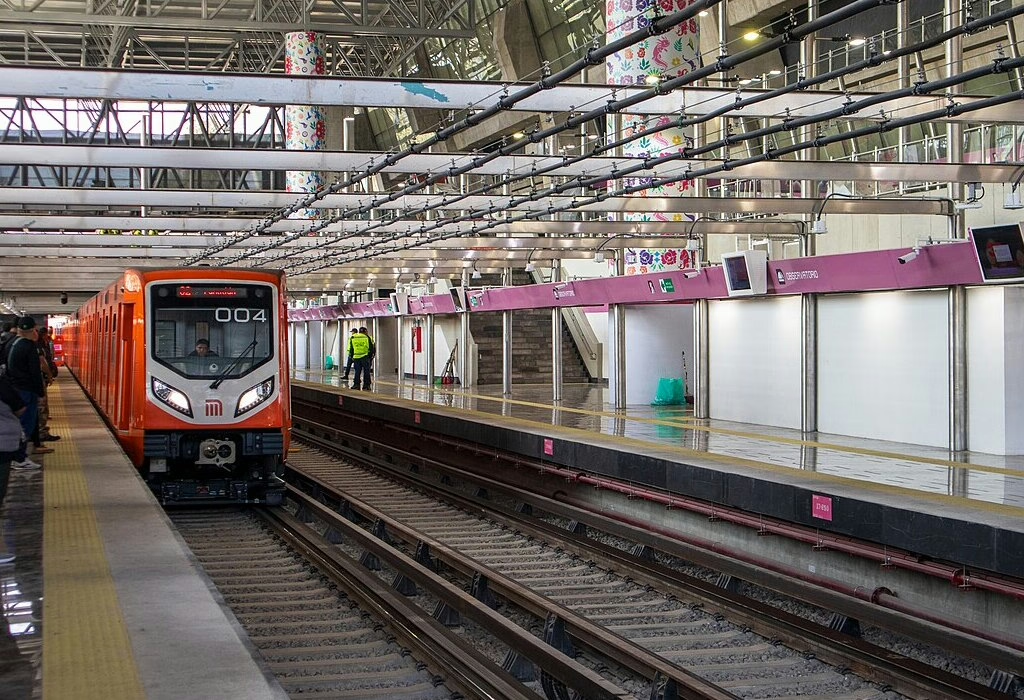
What is the best way to get around during the World Cup?
For match days, public transportation is king. Dedicated lanes for the Metrobús and the underground nature of the Metro mean you can bypass the gridlock that will inevitably paralyze the streets around the stadiums. For late-night returns from celebrations or exploring the nightlife in Juárez or Roma, Uber remains the safest and most convenient choice.
Metro Mexico City: Is It Safe for Tourists?
Die Metro Mexico City is one of the busiest and most affordable subway systems in the world. While it is generally safe, it requires a “big city” mindset.
Safety tips for using the metro
- Mind your pockets: Pickpocketing is the most common issue. Keep your backpack in front of you and don’t keep your phone in your back pocket.
- Women & Children-only cars: The first two or three cars of every train are reserved for women and children. This is strictly enforced and provides a much more comfortable environment during busy hours.
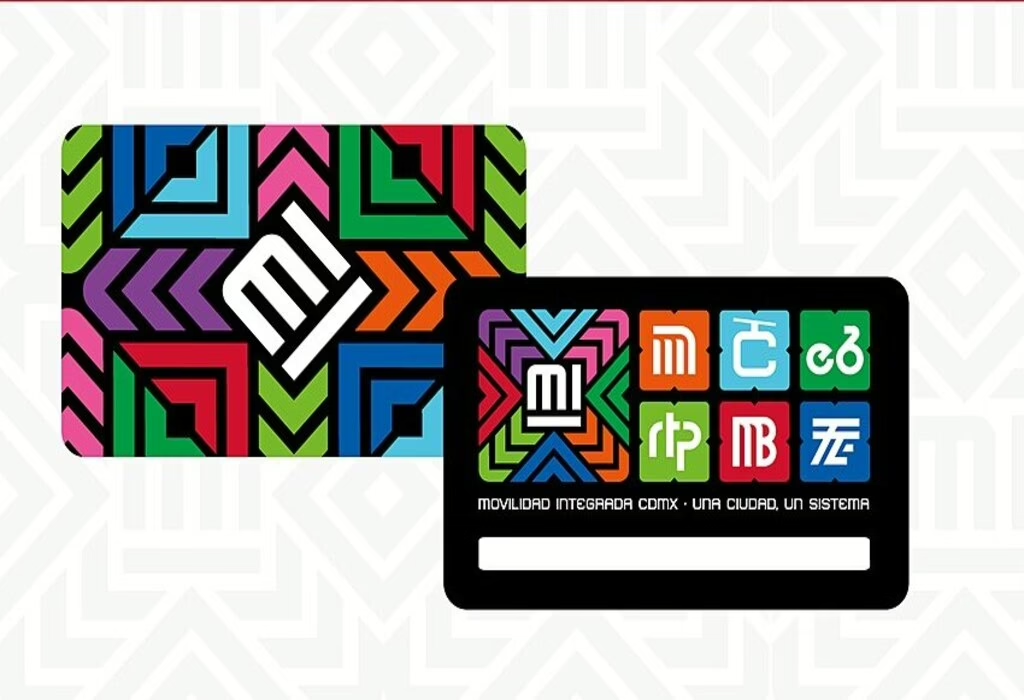
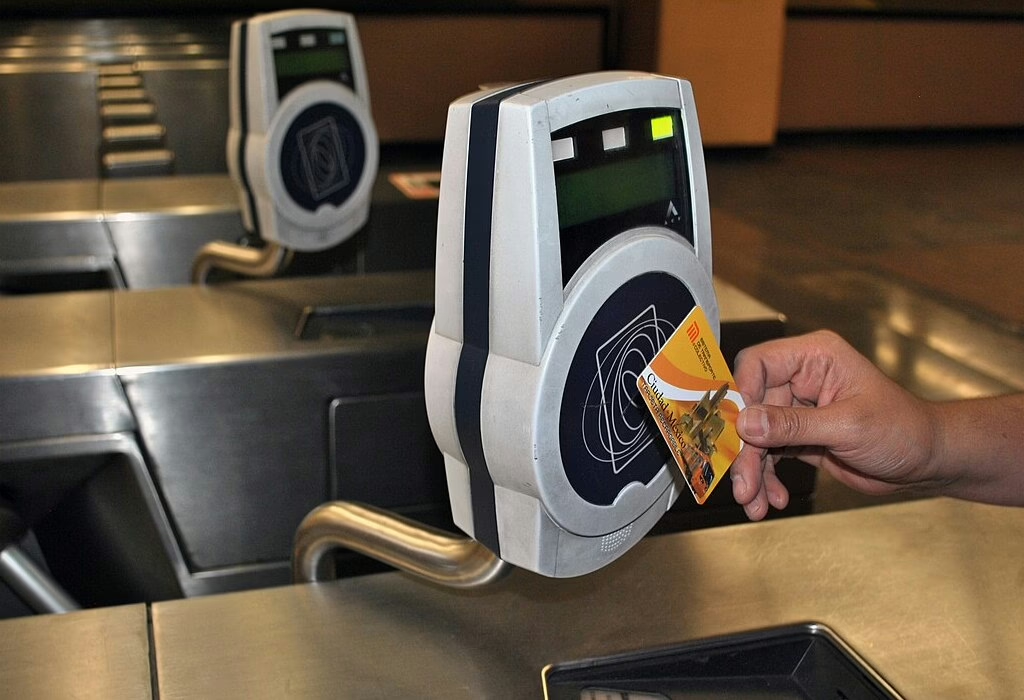
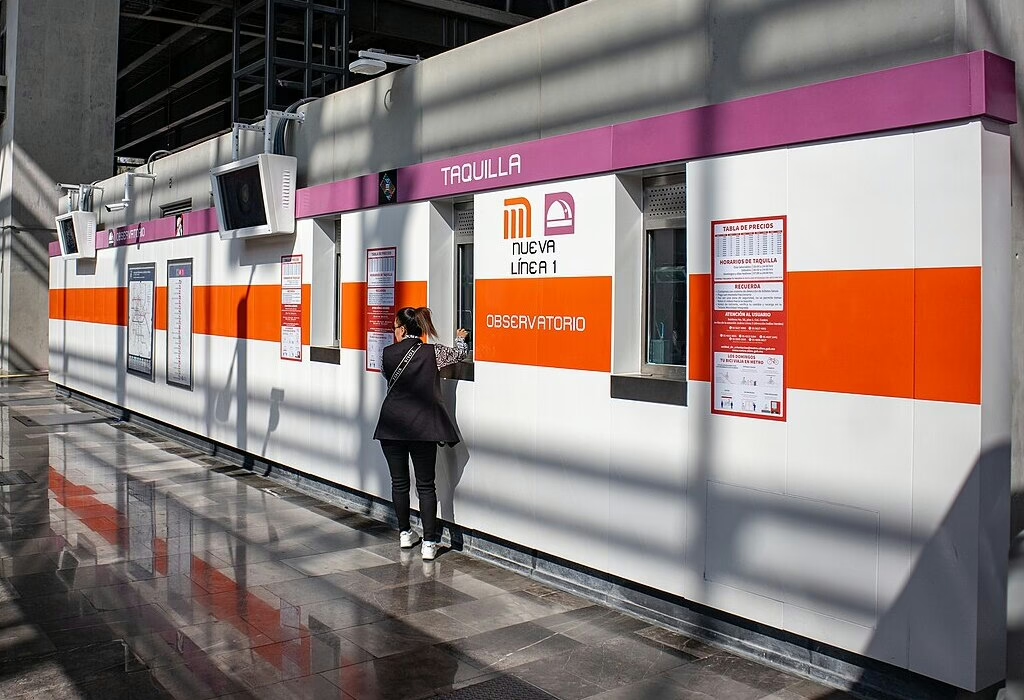
- Buy a Mobility Card: Don’t wait in line for individual tickets. Buy the “Tarjeta de Movilidad Integrada” for $15 MXN and load it with credit.
Author´s Note: Stay updated in real time for service, delays, or incidents, check the official Metro account on X (@MetroCDMX). It’s a quick way to stay informed and avoid unexpected disruptions while moving around the city.
When to avoid the metro
Avoid the Metro during peak rush hours (7:00 AM – 9:30 AM and 6:00 PM – 8:30 PM). During these times, stations like Pantitlán oder Pino Suárez can become overwhelming. Also, unless you are traveling in a group, avoid using the Metro late at night in less-touristy areas.
Pros and cons of Metro Mexico City
| Profis | Nachteile |
| Speed: Bypasses all surface traffic. | Crowds: Can be extremely packed. |
| Price: Only 5 pesos ($0.30 USD) per ride. | Heat: Stations can get very warm in summer. |
| Reach: Connects almost all major tourist hubs. | Navigation: Signage is good but can be confusing for non-Spanish speakers. |
Uber Mexico City vs Taxis: What Should Travelers Choose?
In the battle between Uber Mexico City and traditional street taxis, Uber almost always wins for international travelers.
Is Uber safe in Mexico City?
Yes, Uber is considered very safe. The app provides a digital trail of your journey, the driver’s identity, and the vehicle’s license plate. It also features an emergency button and allows you to share your real-time location with friends.
Uber vs taxis in Mexico City: Key differences
- Price Transparency: Uber gives you the price upfront. With taxis, you might face a “broken” meter or “tourist pricing” if you don’t speak Spanish well.
- Quality: Uber vehicles are generally newer and equipped with air conditioning.
- Payment: Everything is handled in-app. No need to carry large amounts of cash or worry about change.
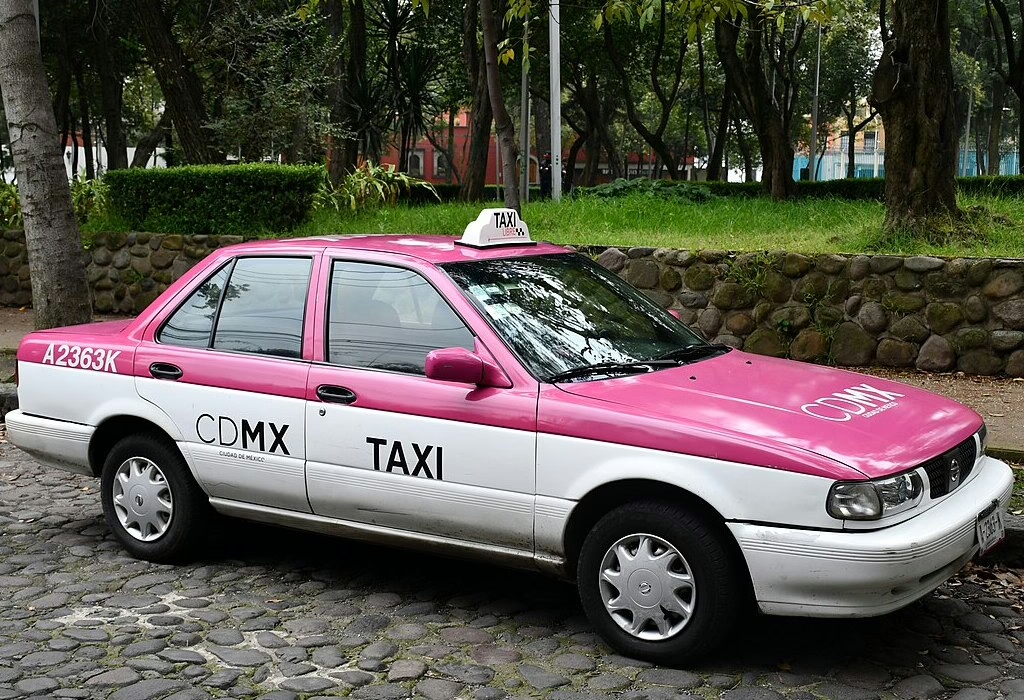
When Uber is the best option for tourists
Uber is the best choice when:
- Traveling with heavy luggage from the airport.
- Returning to your hotel after 10:00 PM.
- Moving between neighborhoods like Polanco and San Ángel—two areas with distinct vibes you can explore further in this guide to neighborhoods in Mexico City—where Metro connections are less direct.
How Much Does Transportation Cost in Mexico City?
Mexico City remains one of the most budget-friendly capitals in the world for 2026.
Metro and public transport prices
- Metro: 5 pesos ($0.30 USD) per ride.
- Metrobús: 6 pesos ($0.35 USD).
- Tren Ligero: 3 pesos ($0.17 USD).
- Mobility Card (Empty): 15 pesos ($0.85 USD).
Uber average fares in Mexico City
A typical 20-minute ride between Roma and Polanco usually costs between 100 and 150 pesos ($6 – $9 USD). Prices can double during rain or high-demand periods (like World Cup match days).
Budget tips for travelers
- One card for all: You can use one Mobility Card for multiple people—just tap it and pass it back to your friend.
- Use Uber Shuttle: For 2026, Uber has expanded its “Shuttle” service, offering fixed-route vans to major hubs at a fraction of a private car’s price.
Tips for Moving Around Mexico City on Match Days
Match days will be the ultimate test of your patience. Here is how to pass it.
Best transport options to reach stadiums
Für Estadio Banorte, die Metro + Tren Ligero combo is the most reliable. Take Metro Line 2 (Blue) to the final stop, Taxqueña, and follow the signs for the “Tren Ligero.” It takes you directly to the stadium gates.
What to avoid before and after matches
Avoid trying to call an Uber immediately after the final whistle. “Dynamic pricing” will skyrocket, and the traffic around the stadium will be at a standstill. It is often better to walk a few blocks away to a nearby restaurant, wait an hour for the crowds to thin, and then call your ride.
Safety tips during large events
- Stay in well-lit, crowded areas.
- Don’t display expensive jewelry or large amounts of cash.
- Ensure your phone is fully charged before leaving for the stadium; you will need it for your digital tickets and rideshare apps.
Recommended travel times
If your match starts at 6:00 PM, aim to be in the stadium area by 3:00 PM. Use that extra time to soak in the atmosphere and enjoy some local street food outside the gates. And if you want to explore more of Mexico’s food culture during your stay, consider joining a cooking class in Mexico City, where you can discover authentic flavors beyond the stadium experience.
Best Apps for Transportation in Mexico City
Don’t leave home without downloading these:
- Google Maps: Accurate for both driving and public transit routes.
- Citymapper: Often more precise than Google for Metro and bus timings.
- Uber & Didi: Having both allows you to compare prices and wait times.
- EcoBici App: Essential if you plan on using the city’s bike system.
Where Are the Main World Cup Stadiums and How to Get There?
How to get to Estadio Banorte
- Adresse: Calz. de Tlalpan 3465, Santa Úrsula Coapa.
- Public Transit: Metro Line 2 (Blue) to Taxqueña, then transfer to Tren Ligero (direction Xochimilco) and get off at the Estadio Banorte station.
- Mit dem Auto: If using Uber, ask to be dropped off near the “Club América” entrance or a few blocks away to avoid the heaviest congestion.
FAQ About Transportation in Mexico City for Tourists
Is public transportation safe in Mexico City?
Yes, especially the Metro and Metrobús. Just stay alert, use the women-only cars if applicable, and keep your belongings secure.
Can tourists use Uber in Mexico City?
Absolutely. It is the preferred method of transport for most expats and visitors due to its ease of use and safety features.
Is it easy to use the metro in Mexico City?
The system uses icons (animals, plants, or landmarks) for every station, making it very intuitive even if you don’t speak Spanish.
What is the cheapest way to get around Mexico City?
The Metro. At $5 MXN per ride, you can travel from one end of the city to the other for less than the price of a taco.The Metro. At $5 MXN per ride, you can travel from one end of the city to the other for less than the price of a taco. If you’re planning your budget, check this guide on how much money to take to Mexico City to better estimate your daily expenses. And once you’re here, don’t miss the chance to enjoy the local food scene—here’s how to eat street tacos like a local in Mexico City while exploring the city. The Metro. At $5 MXN per ride, you can travel from one end of the city to the other for less than the price of a taco.
How do I pay for transportation in Mexico City?
Use the Integrated Mobility Card. It works for the Metro, Metrobús, Tren Ligero, Cablebús, and even the Ecobici system (with a separate registration). You can top it up at any station machine using cash or sometimes debit cards.
Conclusion: The Best Way to Get Around Mexico City During the World Cup
The “best” way to move through Mexico City during the 2026 World Cup is a blend of efficiency and comfort. Use the Metro and Tren Ligero to reach the matches on time and avoid the soul-crushing traffic. Use Uber for late-night adventures and trips to the airport. Most importantly, give yourself plenty of time, stay hydrated, and enjoy the incredible energy that only Mexico City can provide.