
 ES
ES  EN
EN  FR
FR  PT
PT  DE
DE  IT
IT 

Índice:
- Introducción
- Los orígenes y el papel esencial de los tacos callejeros de Ciudad de México
- Por qué los viajeros deberían optar por los tacos callejeros
- Cómo encontrar las mejores taquerías y puestos
- La etiqueta del taco callejero - Comer como un verdadero chilango
- Tipos populares de tacos y cómo elegir el más adecuado para usted
- Navegar por las salsas y los aderezos como un profesional
- Comer tacos callejeros pensando en la higiene y la salud
- Cómo comer y disfrutar los tradicionales tacos mexicanos
- Construir una comunidad en torno al amor por los tacos
- Recuerdos sabrosos, no líos, para llevar a casa
- Viajar ligero y comer bien en Ciudad de México
- Recursos para una exploración cultural y culinaria más profunda
- Saborea el momento con deliciosos tacos callejeros
- Vídeo informativo
Introducción
Los tacos callejeros son un elemento básico de la cultura mexicana y el latido de la vida cotidiana en Ciudad de México. Se pueden encontrar en casi todas partes, rezumando sabor, historia, comunidad y originalidad. La comida local combina raíces autóctonas con un alcance global, con maíz y alubias e influencias de Oriente Próximo. Cada taco cuenta una historia del diverso y cambiante paisaje cultural de la ciudad. Los viajeros que busquen una aventura envolvente querrán tacos callejeros tradicionales por el camino. Ofrecen una experiencia de degustación única con los lugareños, al tiempo que evitan los bulliciosos lugares turísticos.
Los orígenes y el papel esencial de los tacos callejeros de Ciudad de México
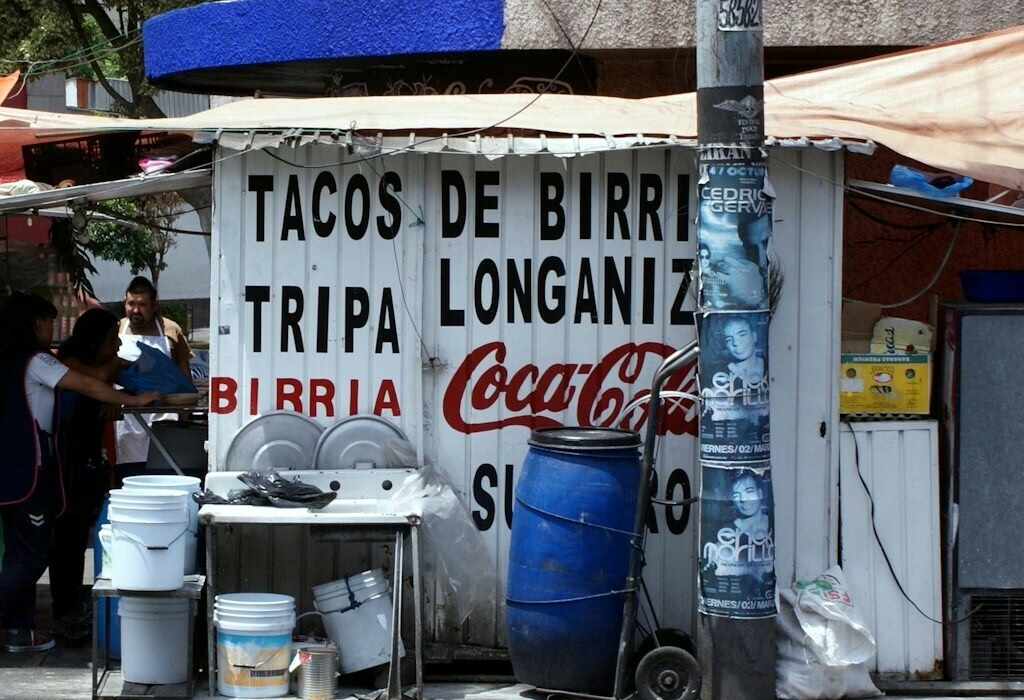
El taco callejero es una manifestación visual y tangible de la eterna narrativa social e histórica de la ciudad. El nombre procede de la lengua náhuatl de los aztecas, en referencia al papel utilizado para envolver la comida. Los aztecas y los mayas comían tacos mucho antes de la llegada de los conquistadores españoles en el siglo XVI. Rellenaban tortillas de maíz con alubias, bichos y pescado.
Los colonizadores introdujeron otros ingredientes, evolucionando los platos tradicionales que la gente conoce y adora hoy en día. Los tacos actuales suelen incluir ternera, cerdo y queso. Además de una increíble variedad de sabores, esta antigua cocina fomentó que la gente se reúna durante una comida. Por suerte para ti, esta hermosa tradición sigue arraigada en la cultura mexicana.
Por qué los viajeros deberían optar por los tacos callejeros
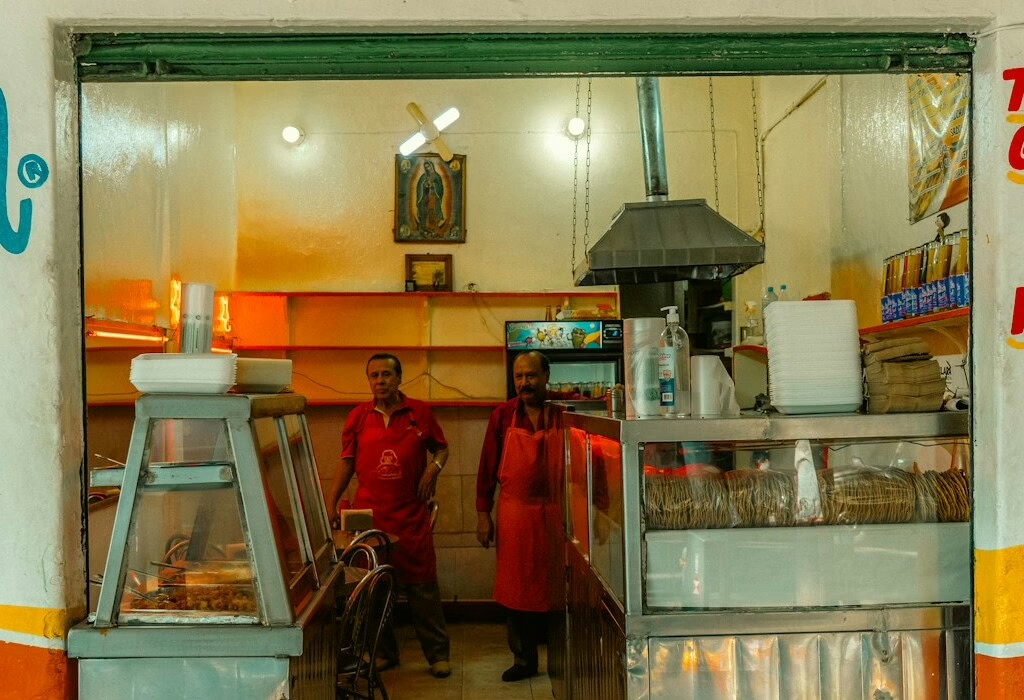
La comunidad local disfruta reuniéndose en torno a los vendedores ambulantes para conversar y disfrutar de la comida. Los viajeros, sobre todo, apreciarán la asequibilidad y la calidad de la comida. autenticidad de los tacos de un bocado. Llénese de rellenos por un puñado de pesos, sin exceder su presupuesto. Los chefs los preparan con ingredientes frescos y locales y con el mínimo envoltorio, por lo que son ideales para los viajeros con conciencia ecológica.
Hay muchos sitios donde sentarse cuando se visitan estos centros gastronómicos. Los mercados y las agrupaciones de comida callejera suelen ofrecer mesas comunales para compartir entre los comensales. La comida en común es uno de los pilares de las fiestas tradicionales y simboliza la hospitalidad y la conexión. También es una oportunidad para descansar los pies de tanto caminar. Los tacos callejeros son una experiencia que no querrá perderse durante su visita a Ciudad de México. UNESCO incluso anunció comida mexicana como Patrimonio Cultural Inmaterial de la Humanidad en 2010.
Cómo encontrar las mejores taquerías y puestos
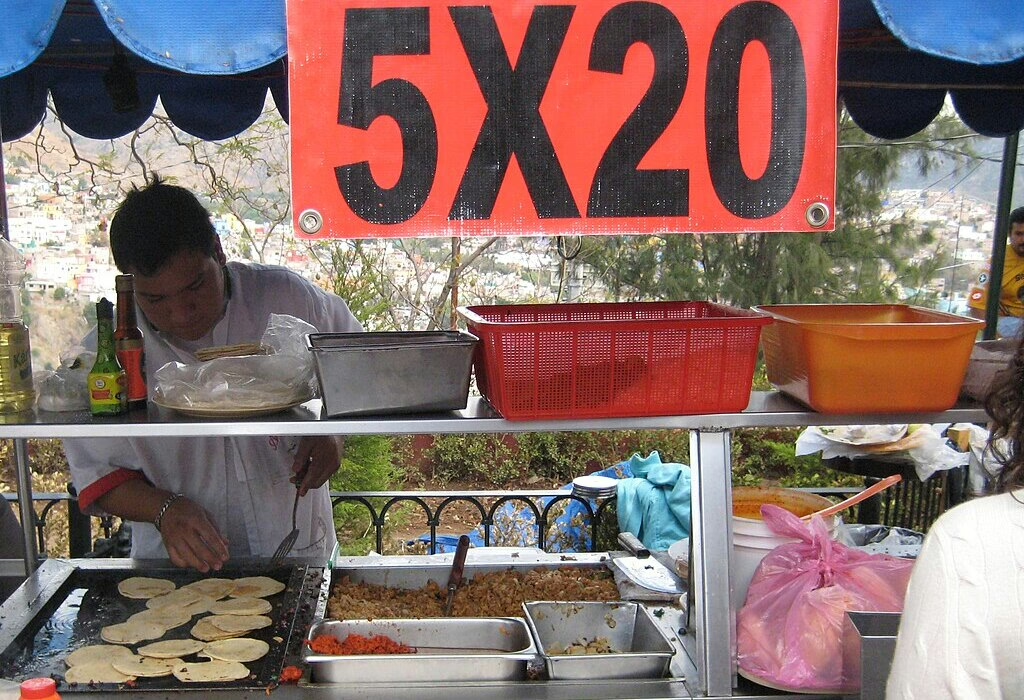
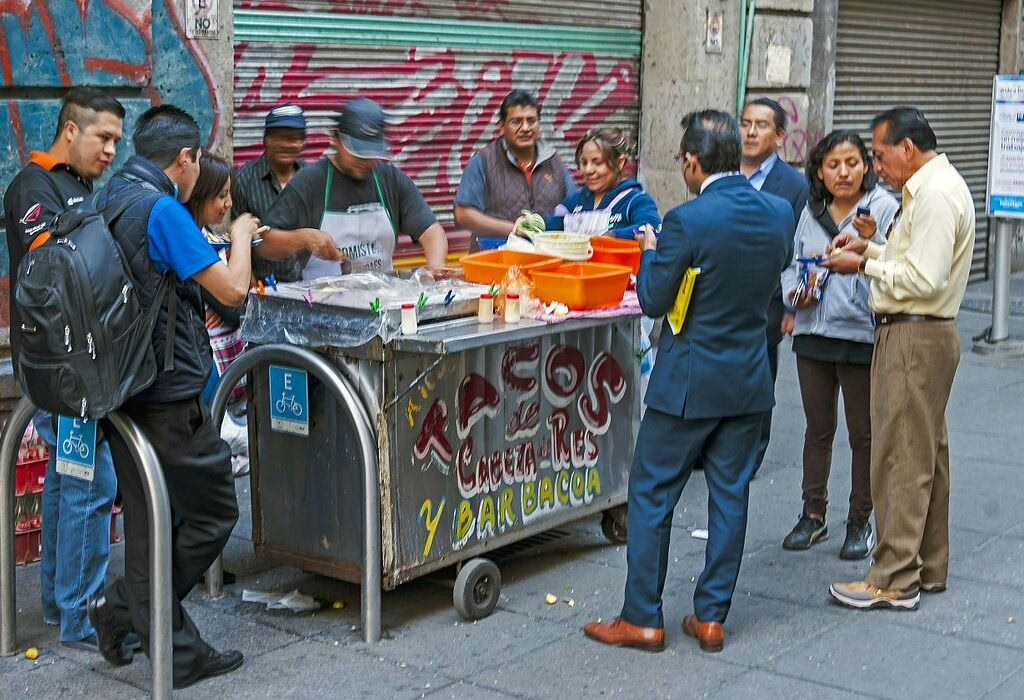
México ofrece tacos que no encontrará en casa. Para descubrir estos lugares, deberá investigar los barrios de Ciudad de México. Roma, Condesa, Centro Histórico y Coyoacán albergan excelentes puestos de tacos y taquerías. En muchos habrá largas colas de gente esperando su turno, lo que significa que has llegado al lugar adecuado. Presta especial atención a los lugares donde se congregan los trabajadores y las multitudes nocturnas para comer.
Suelen tener una buena idea de dónde están los tacos más sabrosos. Si aún así no está seguro, pregunte a un lugareño qué le recomendaría. Un taxista o el dueño de una tienda tienen muchas sugerencias y le enseñarán costumbres culinarias. Es una de las mejores formas de realzar la autenticidad de su visita. Las aplicaciones de viajes y las rutas gastronómicas también pueden guiarte hasta el destino definitivo para degustar tacos callejeros.
La etiqueta del taco callejero - Comer como un verdadero chilango
Navegar por la escena gastronómica de Ciudad de México puede resultar abrumador si es la primera vez. Pero no se preocupe: si sigue las normas de etiqueta de los tacos callejeros, le resultará mucho más fácil integrarse. Como en casa, la cortesía es muy importante, sobre todo al acercarse a un puesto de tacos concurrido. Preguntar “¿Me da...?” - may I have - es un gesto amable y una frase fácil de recordar. Después de decirlo, puedes señalar los ingredientes que quieras.
Puedes practicar un español más avanzado pidiendo “uno de pastor, por favor”. Con esta frase, estás pidiendo uno al pastor, un taco callejero estilo shawarma. Impresionarás a los lugareños con tus esfuerzos por aprender su lengua materna. Como estos puestos de tacos están muy concurridos, lo mejor es saber el pedido y tener el pago preparado con antelación. Además, ten paciencia y no te cueles en la cola. Lo más probable es que te encuentres abarrotado de gente esperando su turno. Dejar propina es voluntario, pero siempre se agradece. Puedes dejar unos pesos en el tarro de propinas designado para mostrar tu gratitud.
Tipos populares de tacos y cómo elegir el más adecuado para usted
Los tacos de canasta son un tesoro nacional en el panorama taquero de México. Los vendedores los transportan en bicicleta en grandes cestas recubiertas de plástico azul. Las cestas suelen contener entre 100 y 150 tacos a la vez. Son una opción saciante, hechas con patatas, alubias o chicharrón. A menudo se acompañan con salsa, guacamole o chiles en vinagre.
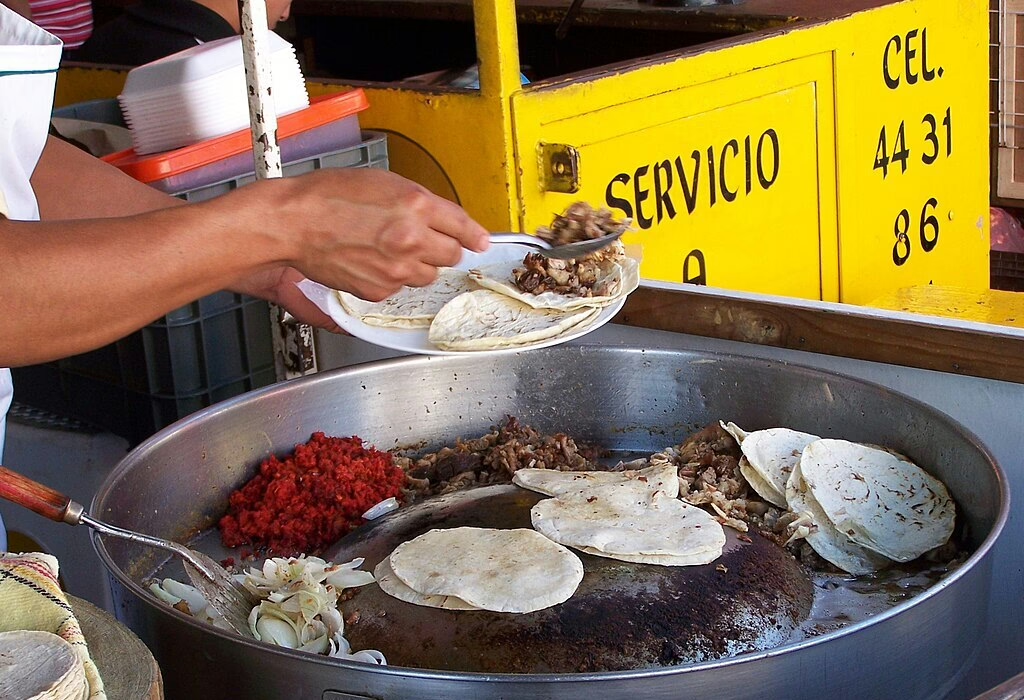
Otro taco popular es el al pastor, que se originó en Puebla en la década de 1930. Los inmigrantes libaneses introdujeron las técnicas culinarias del shawarma en México, donde preparaban cordero sazonado en un asador vertical y lo servían en tortillas de harina. Más tarde lo sustituyeron por carne de cerdo marinada. Hoy en día, los chefs mezclan la carne de cerdo con condimentos mexicanos tradicionales y piña.
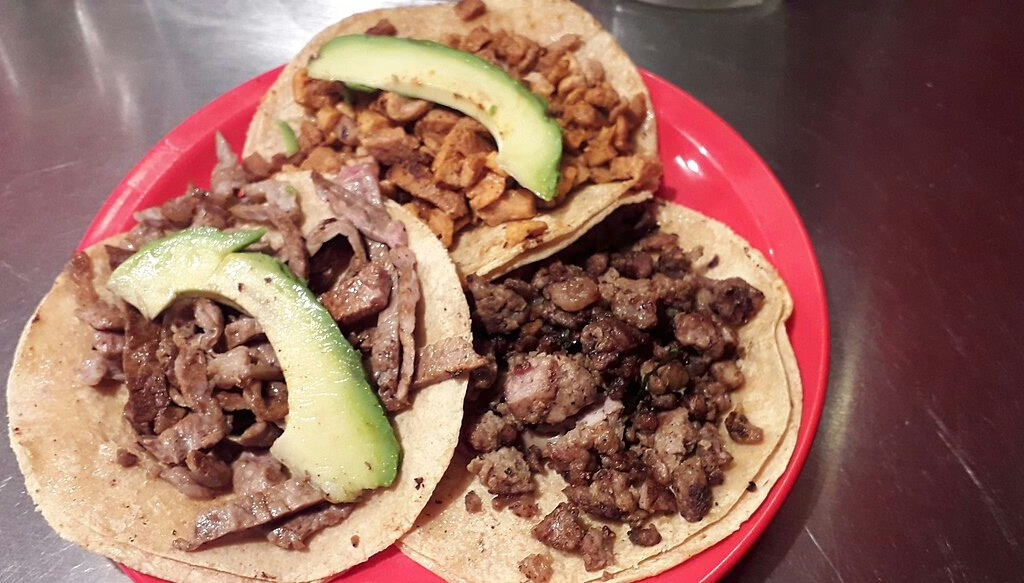
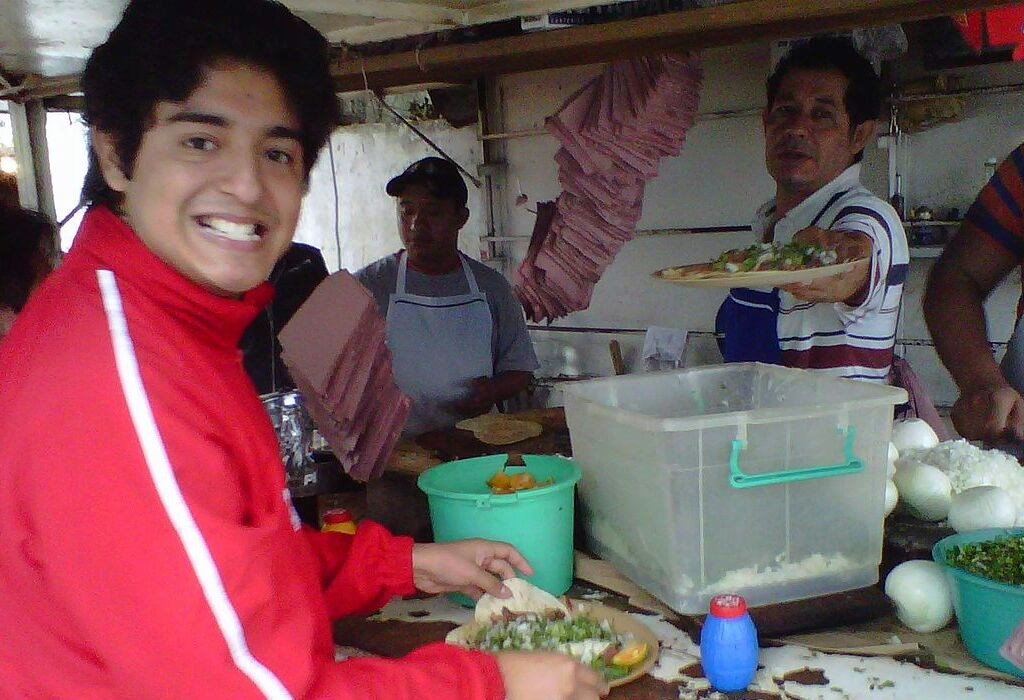
Otras degustaciones incluyen el suadero, que es carne de ternera tierna frita en una tapa plana, y las carnitas, elaboradas con carne de cerdo. No te equivocarás con ninguno de los tacos callejeros que elijas. Cada uno destaca los ingredientes de primera calidad y el surtido de especias de México. Los tacos callejeros son platos sencillos, consistentes en tortillas de maíz blandas con la carne que elija. Los ingredientes habituales son cebolla, cilantro, salsa y un chorrito de zumo de lima. Otros sabores son el comino, el orégano, el ajo y el chile en polvo, que añaden un toque inesperado.
Navegar por las salsas y los aderezos como un profesional
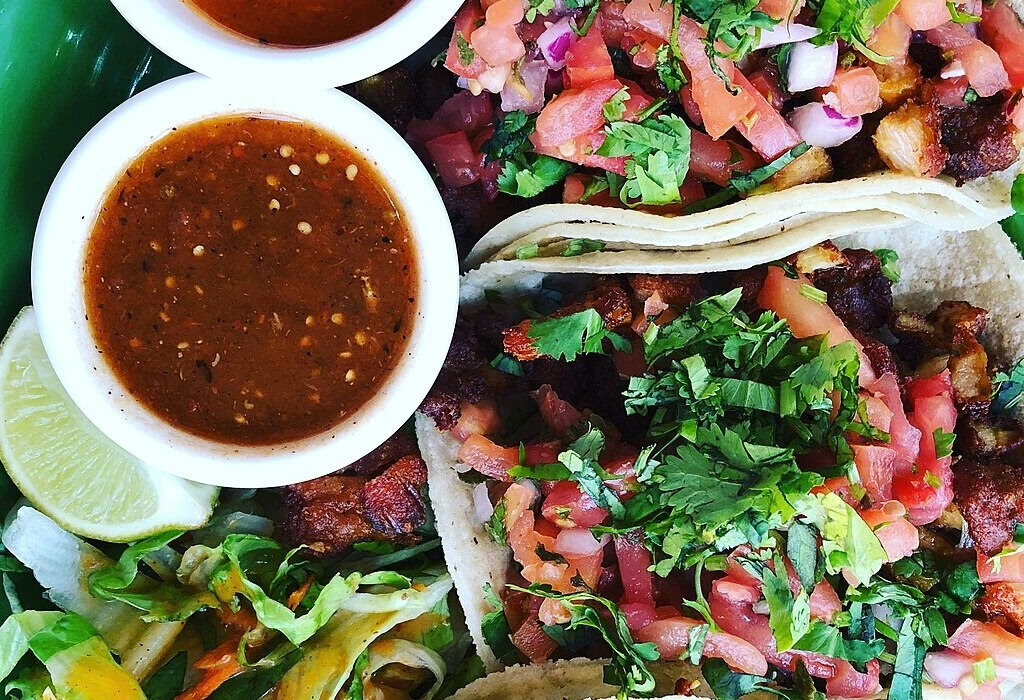
México es conocido por su pasión por los tomates frescos. Puede encontrar una gran variedad de salsas para tacos, desde el ácido tomatillo verde hasta el ahumado chipotle y la clásica roja. El picante habanero es otra opción para los que soportan un poco de picante.
Los ingredientes brillantes dan vida a esta delicia, pero querrás probarlos antes de añadirlos a tu taco. Algunos pueden ser demasiado picantes incluso para tus papilas gustativas. Además, utilice siempre la cuchara designada para cada salsa para evitar la contaminación cruzada. Es probable que los vendedores también tengan otros ingredientes para probar. Suelen incluir cilantro, queso fresco, queso cotija y nopales asados. Cada uno de ellos refleja diversas tradiciones culinarias de España, Oriente Próximo y las cocinas indígenas.
Comer tacos callejeros pensando en la higiene y la salud
Comer un taco callejero y caer enfermo horas después es la peor pesadilla de todo viajero. Por ello, es esencial dar prioridad a la seguridad y la higiene, sobre todo cuando se consume comida callejera. Puede que quiera evitar las multitudes comprando tacos a un vendedor menos concurrido, pero puede que no sea la decisión más sabia. Cuanto más concurrido sea un puesto, más probable es que pueda confiar en que utiliza ingredientes frescos.
Es aconsejable inspeccionar la limpieza del vendedor. Compruebe si los trabajadores limpian los mostradores, cubren los ingredientes y llevan guantes. Además, ¿tienen un lavamanos y cubos de basura cubiertos? Si es así, es probable que la comida sea segura. Si viaja con restricciones alimentarias, debe extremar la precaución a la hora de pedir. Las alergias alimentarias son 50% más frecuente hoy en día que en los años noventa. No sea tímido y pida confirmación sobre ciertos ingredientes si no está seguro. Los vegetarianos y veganos también tienen infinitas opciones. Si eres especialmente exigente, pregunta si llevan manteca de cerdo o caldo de carne ocultos.
Cómo comer y disfrutar los tradicionales tacos mexicanos
Aunque es normal comer alitas de pollo y pizza con las manos, puede que no resulte tan natural hacerlo con otras comidas. Los expertos en etiqueta coinciden en que es aceptable usar las dedos para platos tradicionales mexicanos, como los tacos callejeros. De hecho, algunos incluso se ríen de ti si coges los cubiertos para desmenuzar tu comida.
Comer con las manos es una experiencia sensorial que permite seguir los rituales locales. Así que no te preocupes por ensuciar. Hay que coger los tacos y apretarlos para conseguir un bocado manejable. Los mexicanos aprecian la buena comida, así que ve más despacio y disfruta de cada sabor. Practique la alimentación consciente cerrando los ojos y fijándose en los diferentes condimentos y texturas. Es probable que los tacos callejeros tradicionales difieran de los que has probado o preparado en casa, así que saboréalos.
Construir una comunidad en torno al amor por los tacos
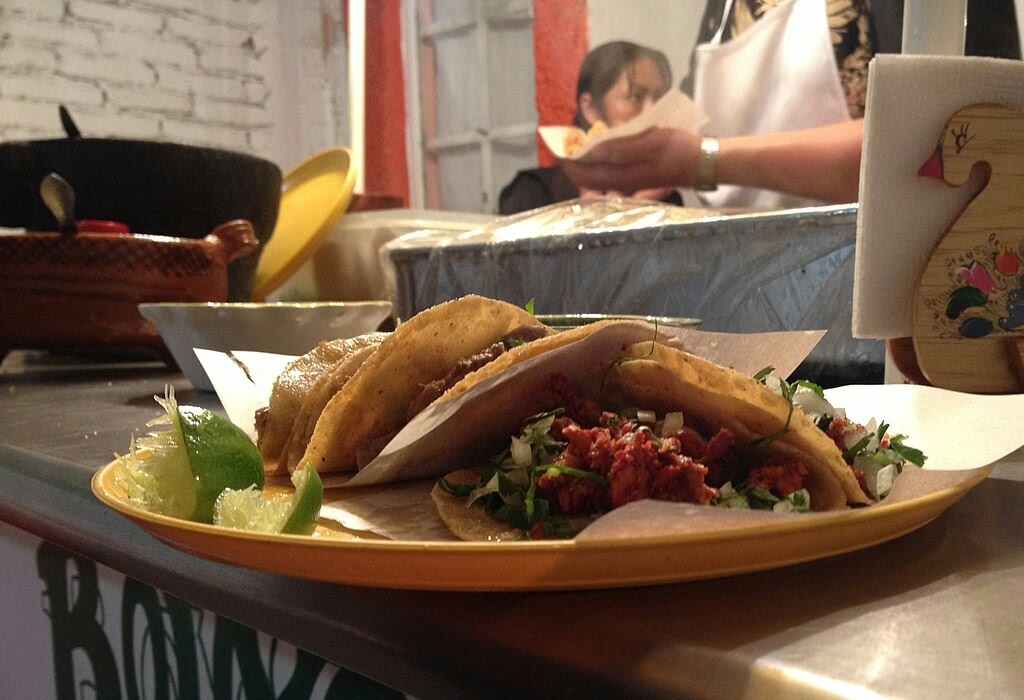
El amor compartido por los tacos fomenta un sentimiento de comunidad en Ciudad de México del que puedes formar parte. Iniciar una conversación con la gente no es difícil. Puedes hacerlo elogiando la comida o preguntando qué salsa te recomiendan.
Los vendedores suelen estar orgullosos de su oficio, como debe ser. Si tiene suerte, alguno estará dispuesto a compartir sus recetas o a hablarle de su cultura y tradiciones familiares. Un libro de idiomas de bolsillo es un buen compañero de viaje. Nunca se sabe cuándo hay que buscar una frase en español. Del mismo modo, puedes utilizar un traductor telefónico para facilitar los intercambios. Las conversaciones crean encuentros más memorables.
Recuerdos sabrosos, no líos, para llevar a casa
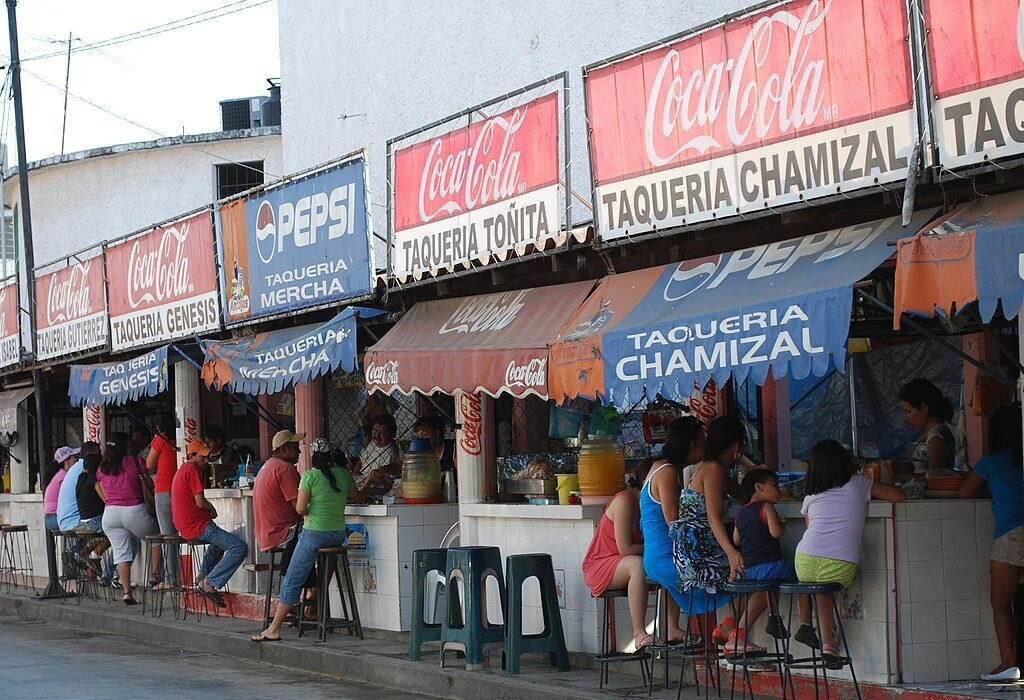
Diviértete intentando meter en la maleta un taco callejero para el viaje de vuelta en avión. Aunque quieras traerte algunos, es posible que no puedas pasar el control de seguridad. Haz unas cuantas fotos de tus puestos de tacos favoritos, incluidos los ingredientes y las barras de salsa. También puedes pedir una foto junto al chef o llevarte a casa una servilleta con el logotipo del negocio, si hay alguna disponible.
A muchos viajeros les gusta llevar consigo un diario de viaje para anotar los detalles después de un divertido día recorriendo la ciudad. Recuerde incluir el lugar, las combinaciones de sabores y las distintas conversaciones que haya mantenido. Cuando vuelvas a casa, piensa en compartir las recetas que has aprendido con tus seres queridos. Recrear tacos callejeros en tu cocina es una forma estupenda de revivir la experiencia.
Viajar ligero y comer bien en Ciudad de México
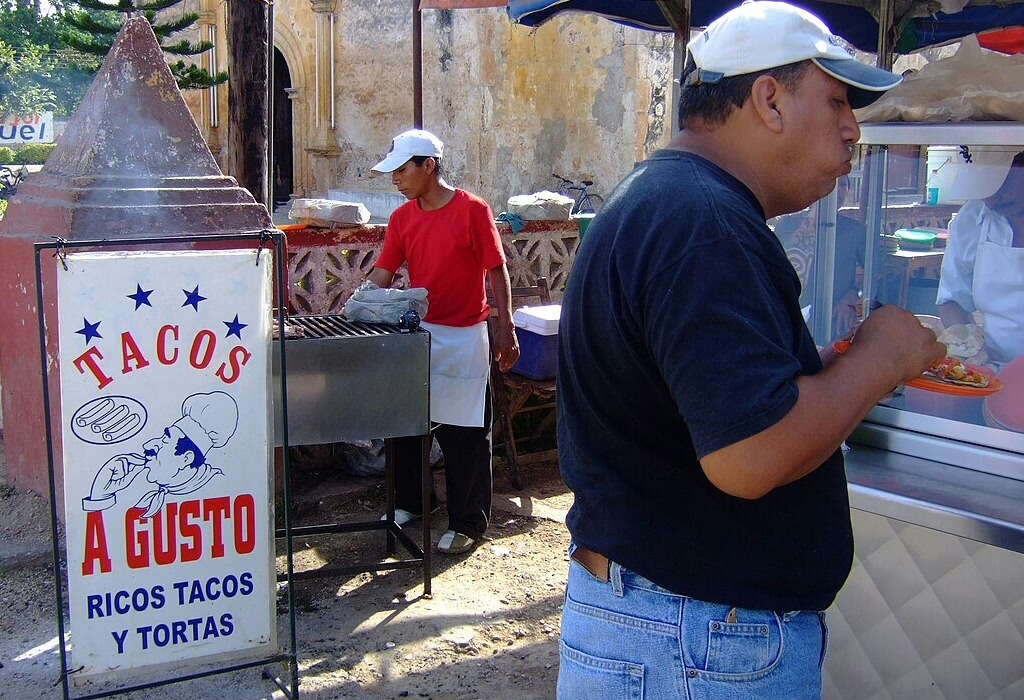
Las prácticas de viaje minimalistas hacen que aventurarse en una ciudad extranjera sea más fácil, y no significa que tengas que sacrificar deliciosas experiencias gastronómicas. Cuando estás en una aventura de tacos callejeros, en realidad es la mejor manera de moverse. Una bolsa de lona es perfecta para las compras pequeñas. También deberías llevar una botella de agua rellenable -sólo recuerda llenarla con agua purificada, no con agua del grifo- y un puñado de servilletas. Como los tacos se comen con los dedos, puedes dejar los utensilios de plástico.
Considera la posibilidad de llevar contigo un pequeño bote de desinfectante de manos para lavártelas antes de comer. Los mejores desinfectantes de manos tienen un concentración de alcohol de 60% a 95%, lo que garantiza que maten más gérmenes. Si se aventura por Ciudad de México, lleve consigo una cartera segura. Los robos y atracos son frecuentes en la zona, y no querrá convertirse en la próxima víctima. Invierta en una cartera de materiales resistentes. Una con varios compartimentos es lo mejor para evitar carteristas.
Las carteras con bloqueo RFID evitan que se utilicen señales de radiofrecuencia no autorizadas para robar información personal de sus tarjetas de crédito. Del mismo modo, las carteras para pasaporte ofrecen un lugar seguro para sus documentos de viaje. También puede ser una buena idea invertir en una cartera para el cuello o un cinturón portamonedas. Puede llevarlos bajo la ropa, para mantener su dinero oculto y seguro.
Recursos para una exploración cultural y culinaria más profunda
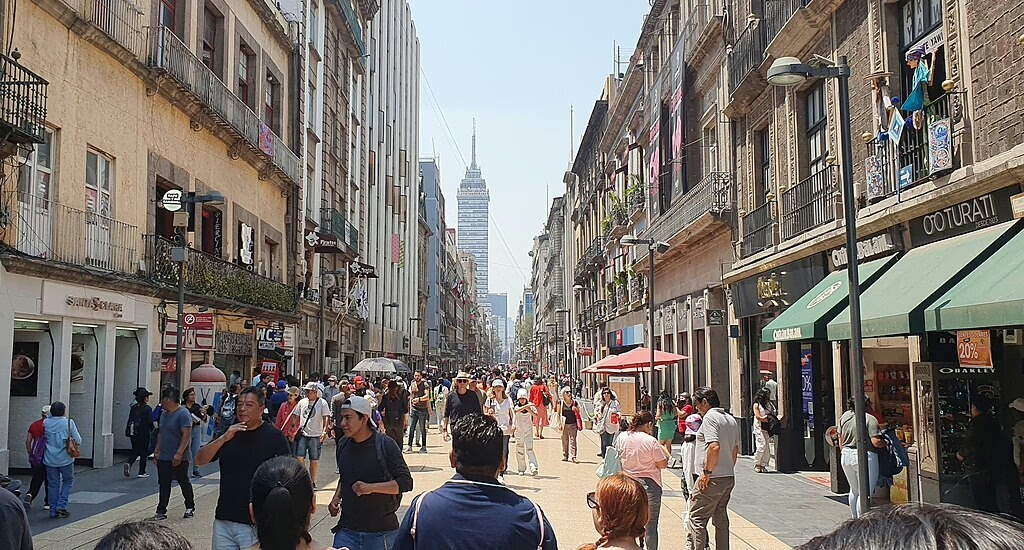
Viajar a Ciudad de México sin un plan para encontrar los mejores tacos callejeros es una desventaja. No querrá perder el tiempo preguntando y buscando un centro de comida callejera o un mercado de abastos. El viaje será mucho más enriquecedor si investiga de antemano los barrios y las costumbres. Una guía completa le ayudará a encontrar vendedores de comida en Ciudad de México. Puedes descargar varias aplicaciones de viajes y comida en tu smartphone.
Estas herramientas localizan auténticos restaurantes callejeros de tacos con útiles reseñas. Si los clientes se quejan del sabor, la higiene o las interacciones, es mejor evitar ese vendedor. Algunos viajeros se apuntan a excursiones culinarias a pie con organizaciones de prestigio. Estos grupos ofrecen excursiones gastronómicas sostenibles en las que puedes conocer a los vendedores y escuchar sus historias. Incluso puede que haga nuevos amigos viajeros que compartan su entusiasmo por la buena comida callejera mexicana.
Saborea el momento con deliciosos tacos callejeros
La comida es el epicentro de las experiencias de viaje de muchas personas. Los tacos callejeros de Ciudad de México, en particular, invitan a bajar el ritmo y abrazar una nueva cultura. Cada puesto de tacos ofrece algo único. Cuando uno se detiene a comer uno, experimenta nuevos sabores y se relaciona con caras amables. Disfrute de su tiempo en una de las ciudades más vibrantes del mundo para hacer excursiones gastronómicas. No se arrepentirá de haber visitado uno de sus puestos callejeros de tacos para comer.
Vídeo informativo
Jack Shaw Jack Shaw es escritor cultural independiente y viajero empedernido. Sus escritos se centran en explorar la comida, los estilos de vida y las bellas vistas de cualquier lugar al que la vida decida llevarle. Los relatos de sus viajes pueden verse en Modded, Trekaroo, The Travel Magazine y otros. Jack es un apasionado de las actividades al aire libre, y dedica gran parte de su tiempo libre a hacer rutas locales de senderismo y viajes de mochilero.
Puesto de colaboración: Las opiniones expresadas son las del autor externo y no reflejan necesariamente las del equipo editorial (véase nuestro política editorial).