
 ES
ES  EN
EN  FR
FR  PT
PT  DE
DE  IT
IT 

Introducción
Bienvenido a nuestro Comida mexicana guide! Indeed, Mexican food is one of the easiest ways to understand Mexico. It is not only about taste. It is also about family, history, daily life, and local pride. Many travelers try a few tacos and think they “know” Mexican food.
Then they visit another state and everything feels different. But, no worries, that is normal. Mexico has many food styles. Each place has its own ingredients, weather, and traditions.
This Mexican food guide is a simple map. It helps you learn the basics faster for your trip. It also sends you to deeper guides on our site when you want more detail. You do not need to read everything in one sitting. You can use it as a menu in a restaurant. Pick what you want today!
📝Definition box
Mexican food is the cooking style from Mexico. It is built on corn, beans, and chilies, plus fresh salsas and local herbs. It changes a lot by region, so the same dish name can taste different in different states.
Índice
- What Mexican food is
- Key ingredients you will see all the time
- Mexican food by regions and states
- Traditional dishes you should try
- Mexican street food basics
- Tacos: how they work in Mexico
- Quick picks: what to choose based on your mood
- Drinks you should know
- Seafood in Mexico
- Ancient roots: Aztec and Mayan food
- Mexico City add-ons: tacos and cafes
- Simple FAQ
- Conclusión
What Mexican food is
Mexican food is a mix of old and new. Many ingredients come from ancient la Ciudad de México.. Corn, beans, squash, tomatoes, chilies, and cacao are some of the most important. Later, other ingredients became common too. You may see wheat, rice, pork, cheese, and herbs that arrived later in history. Over time, people in Mexico made these ingredients their own.
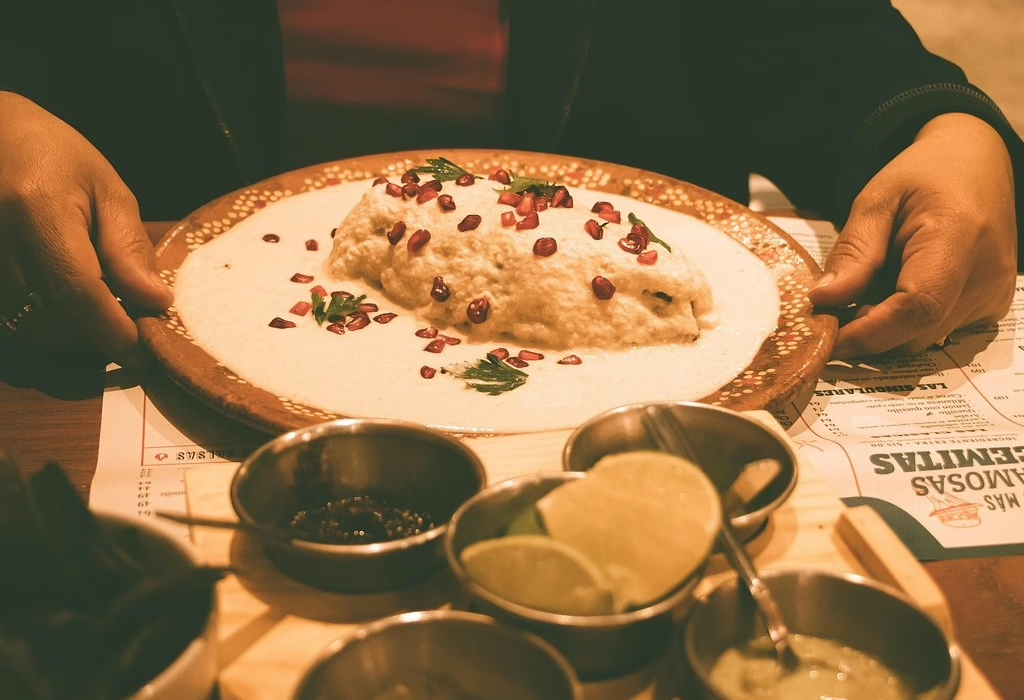
Mexican food is also about technique, not only ingredients. You will see methods like:
- Grinding chilies and spices for sauces
- Roasting ingredients on a hot surface
- Slow cooking stews
- Making tortillas and masa (dough made from corn)
- Cooking in banana leaves or corn husks
- Using a comal (a flat hot surface) for tortillas and roasting
✍️Author’s note: One more thing, Mexican food changes by place. A taco in Ciudad de México is not the same as a taco in the north. A mole in Oaxaca is not the same as a mole in another state. Even the same dish name can mean different things.
Regional Flavors: A Quick Map of Mexican Cuisine
| Region 🗺️ | Key Influence 📖 | Main Ingredient / Technique 🍳 | Signature Dish ✅ |
| North | Cattle Ranching & Wheat | Flour tortillas & Grilled meats | Baja Fish Tacos / Carne Asada |
| The Bajío | Spanish Colonial | Slow-cooking in lard (Pork) | Carnitas (Michoacan) |
| Central | Global Mix (Lebanese/Spanish) | Spit-roasting & corn-based staples | Tacos al Pastor / Mole Poblano |
| Costa del Golfo | Afro-Caribbean & Spanish | Plantains, peanuts, and seafood | Huachinango a la Veracruzana |
| yucateca | Mayan Heritage | Achiote & Underground pits (Pibil) | Cochinita Pibil |
| Pacífico Sur | Zapotec & Mixtec Cultures | Complex spices & Black beans | Mole Negro / Tlayudas |
Key ingredients you will see all the time
You do not need to know every ingredient. If you know a few basics, menus become easier.
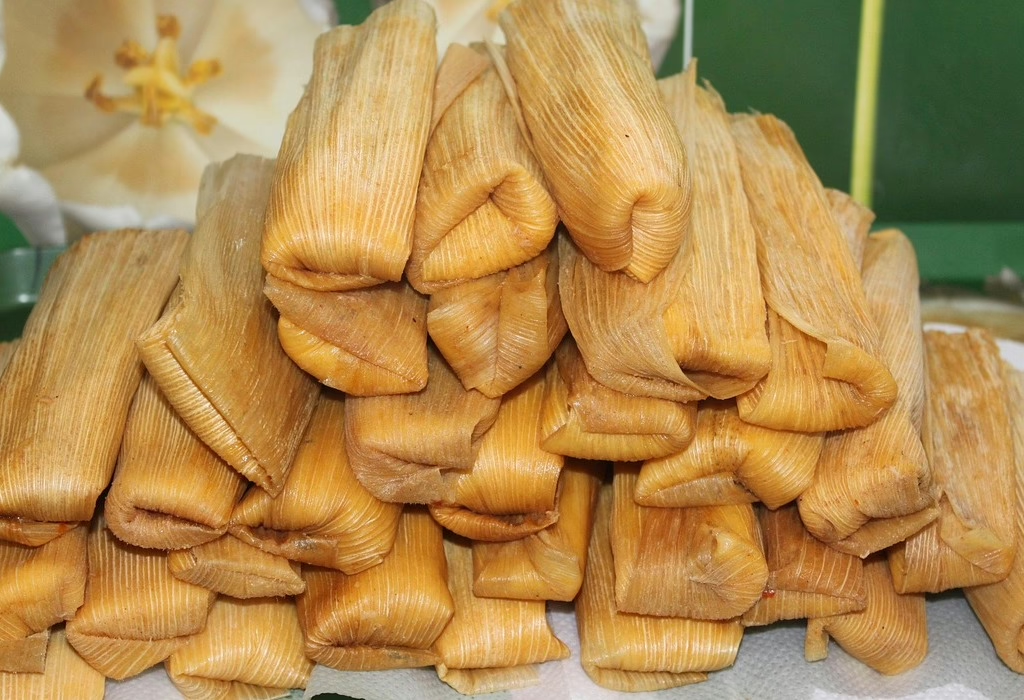
Maíz
Corn is everywhere. Tortillas are the big example. Corn also becomes masa (dough) for tamales, sopes, gorditas, tlacoyos, and more. You can see corn in drinks too, like atole.
Judías
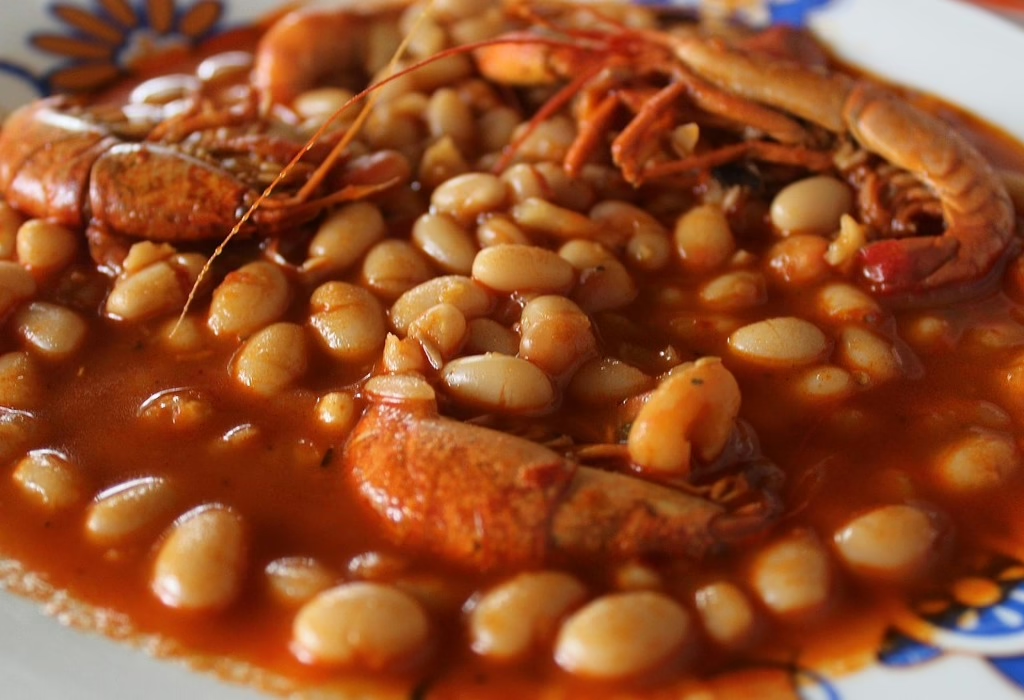
Beans are common as a side dish, a filling, or a base. Some places use black beans more often. Some places use pinto beans more often.
Chilies
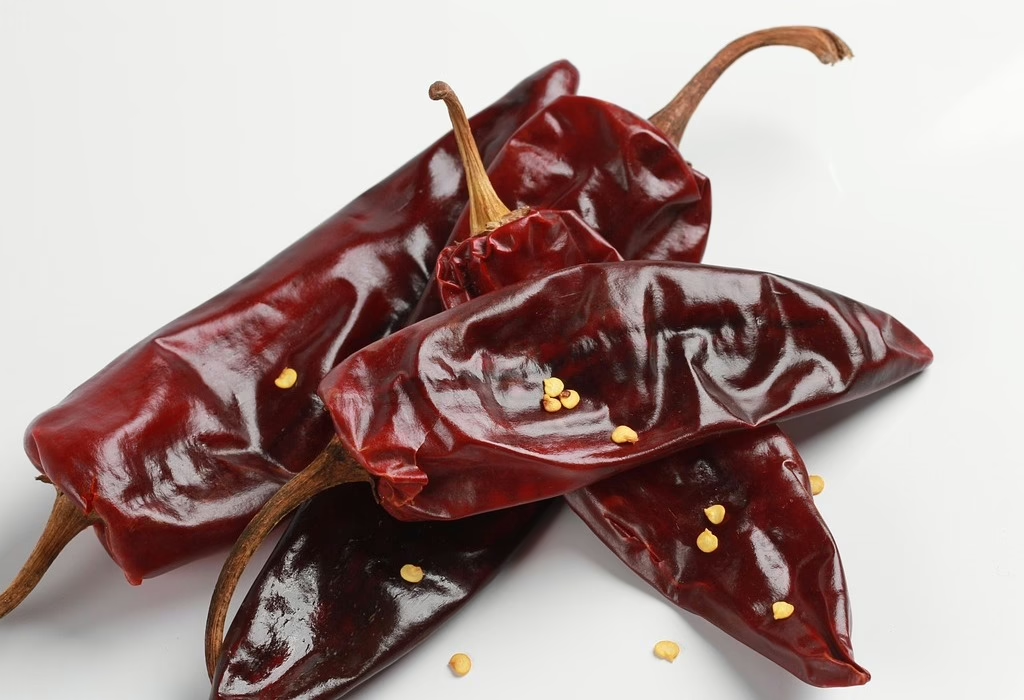
Chilies can be mild or very hot. Many dishes are not spicy by default. The heat often comes from salsa. You can choose your level if you add salsa carefully.
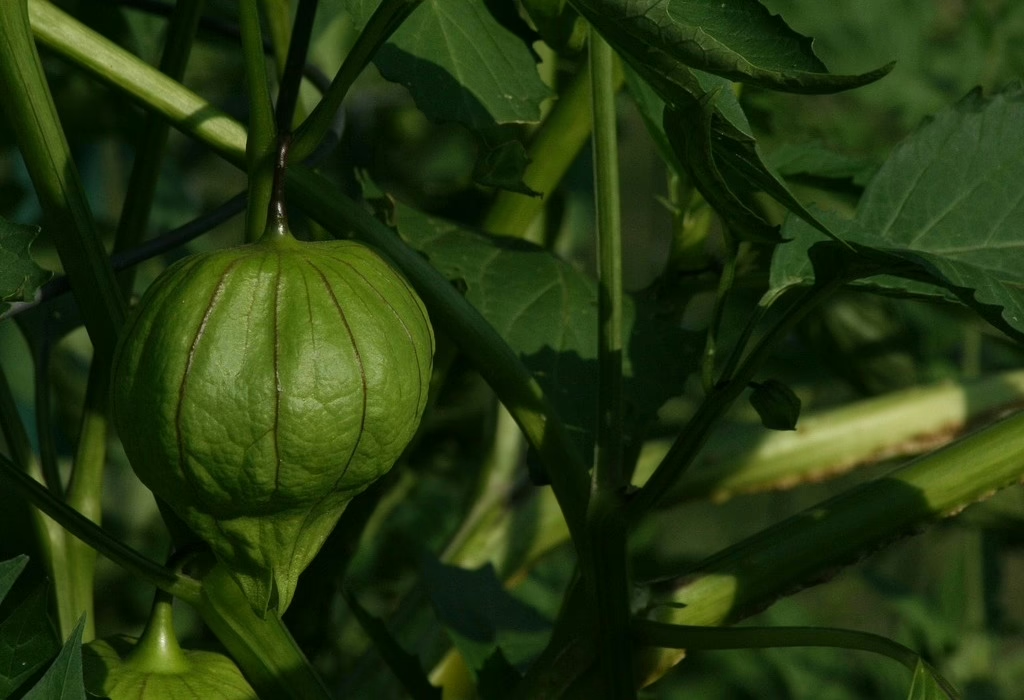
Tomato and tomatillo
Tomato is common in red sauces. Tomatillo is common in green sauces. Tomatillo has a tart taste.
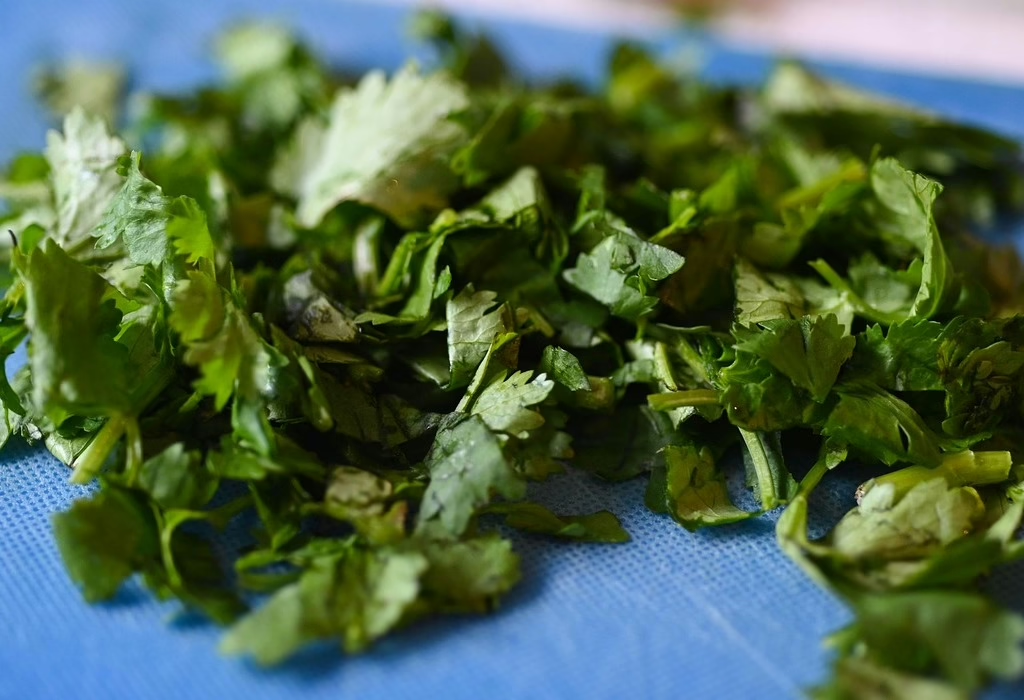
Cilantro, onion, lime
These are classic taco toppings. You will see them often.
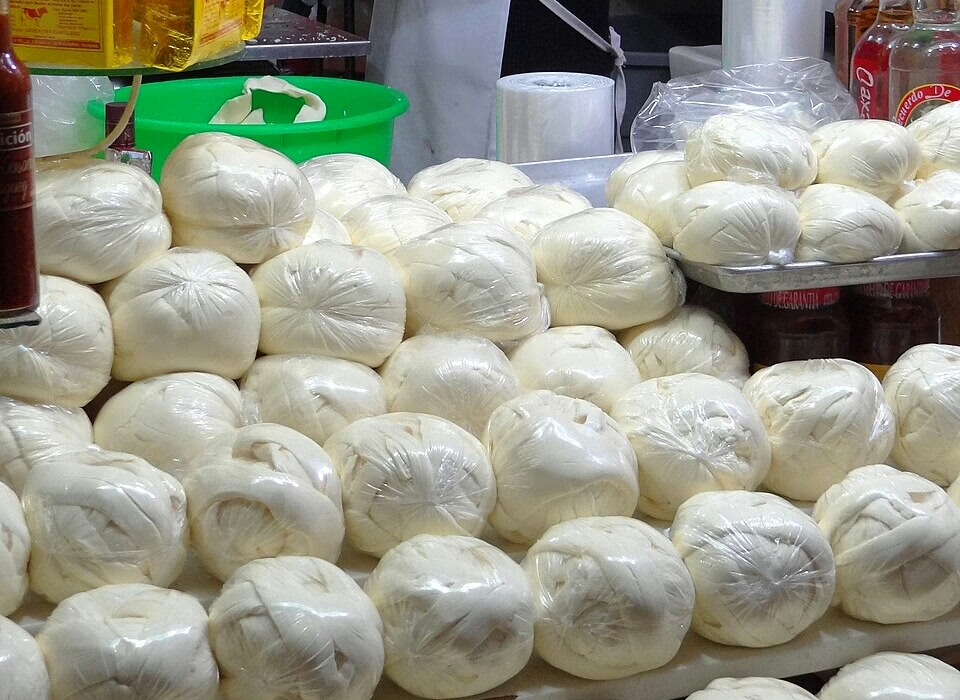
Cheese
Cheese changes by region. Some cheeses melt well. Some cheeses are fresh and salty.
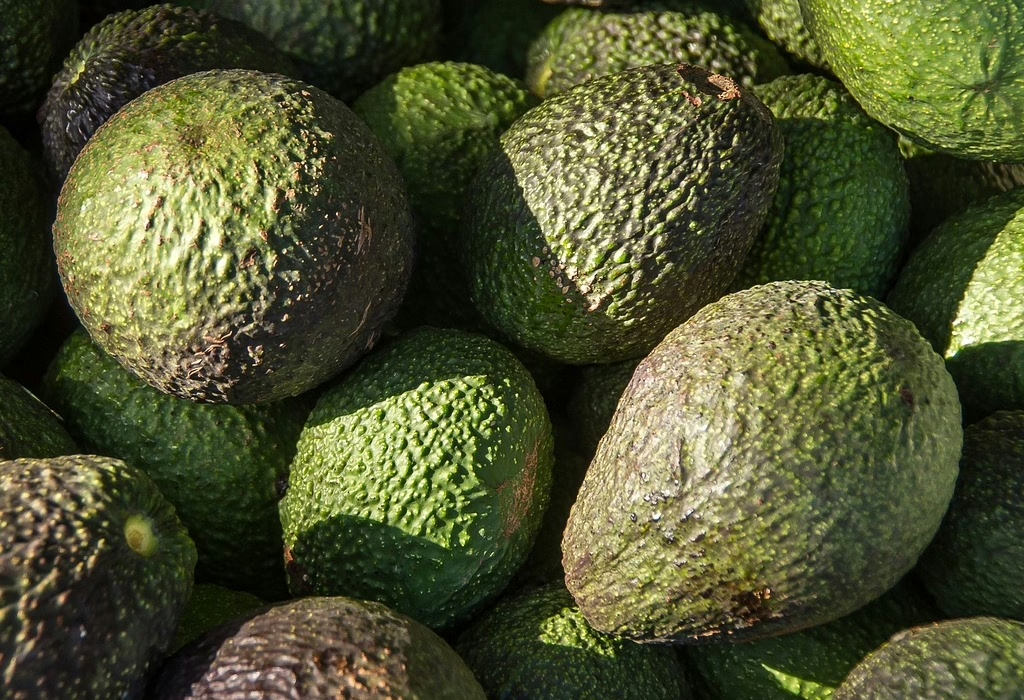
Avocado
Avocado is used in many forms. One famous form is guacamole.
Herbs and spices
Oregano, cumin, cinnamon, cloves, and more can show up. Spices often feel stronger in stews and moles.
Mexican food by regions and states
Mexico is large. Weather changes a lot across the country. That changes what people grow, what they fish, and what they cook. Coastal areas love seafood. Mountain areas use more corn, beans, mushrooms, and hearty stews. Hot areas use tropical fruits, achiote, and fresh herbs. A good first step is to understand Mexico through regions. This guide gives you a simple overview.
After that, you can explore each state guide when you want more detail. Here are state guides we already have:
Oaxaca
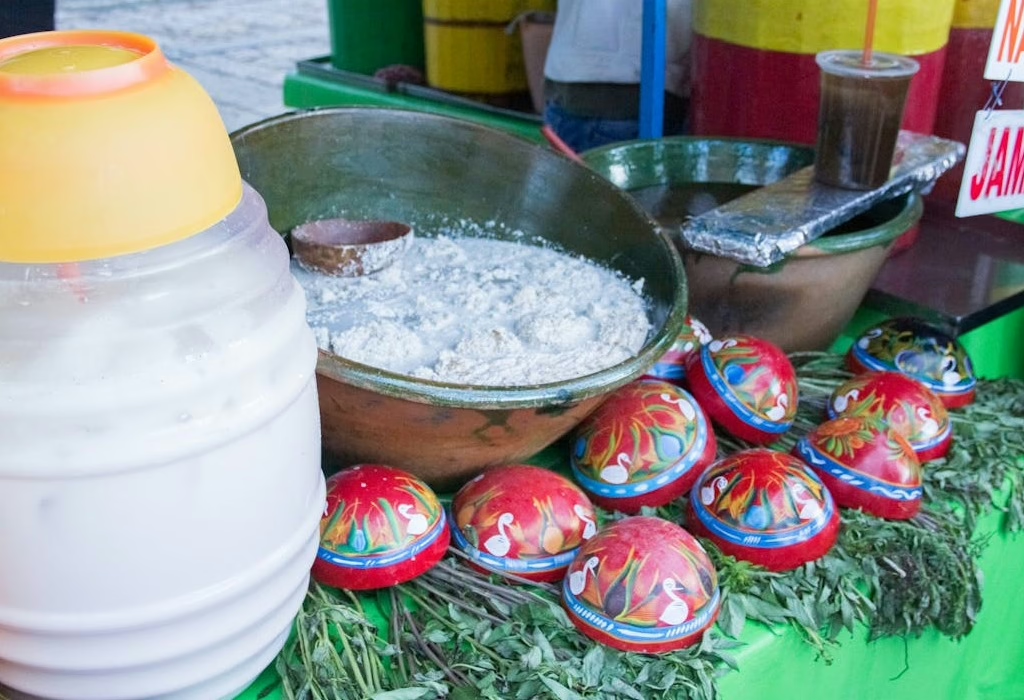
Oaxaca is one of the most famous food states. People often talk about mole, tlayudas, mezcal, and local cheeses. If you want a short list of authentic options, start with this region’s guide.
yucateca
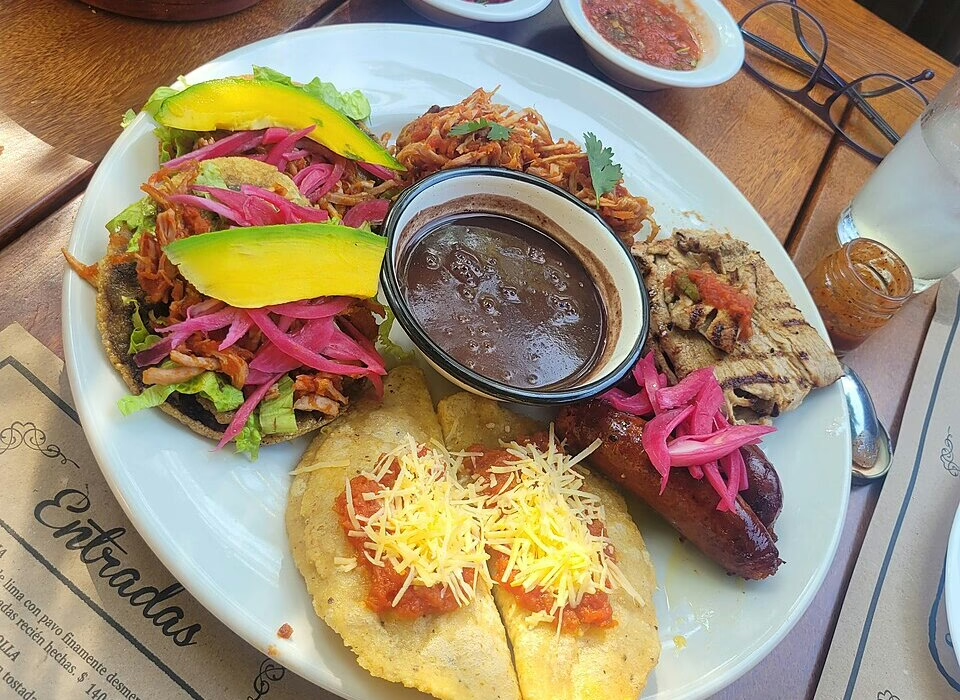
yucateca food often uses achiote, sour orange, and slow cooking in pits. Cochinita pibil is a key dish. If you want an easy guide, read this post about what to eat in the Yucatan peninsula.
Jalisco
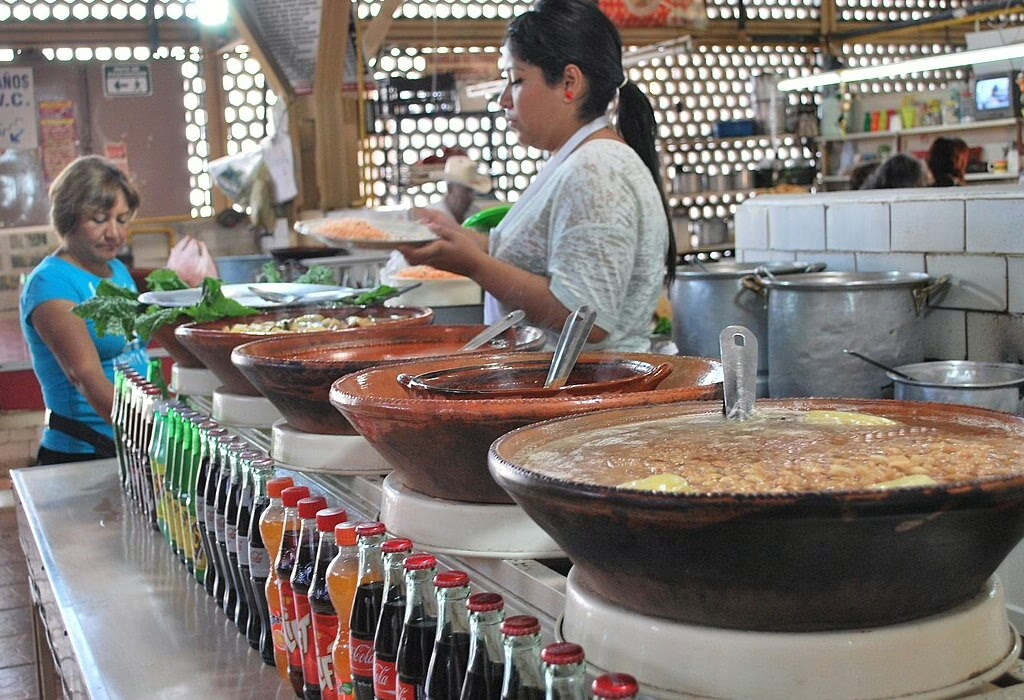
Jalisco includes Guadalajara and many classic dishes. You can find birria, tortas ahogadas, and more. If you’re looking for inspiration, check out these must-try dishes from Jalisco.
Veracruz
Veracruz food is shaped by the coast. Seafood is important, coffee, and sauces often use local herbs. This guide explains how and what they cook in Veracruz.
Michoacán
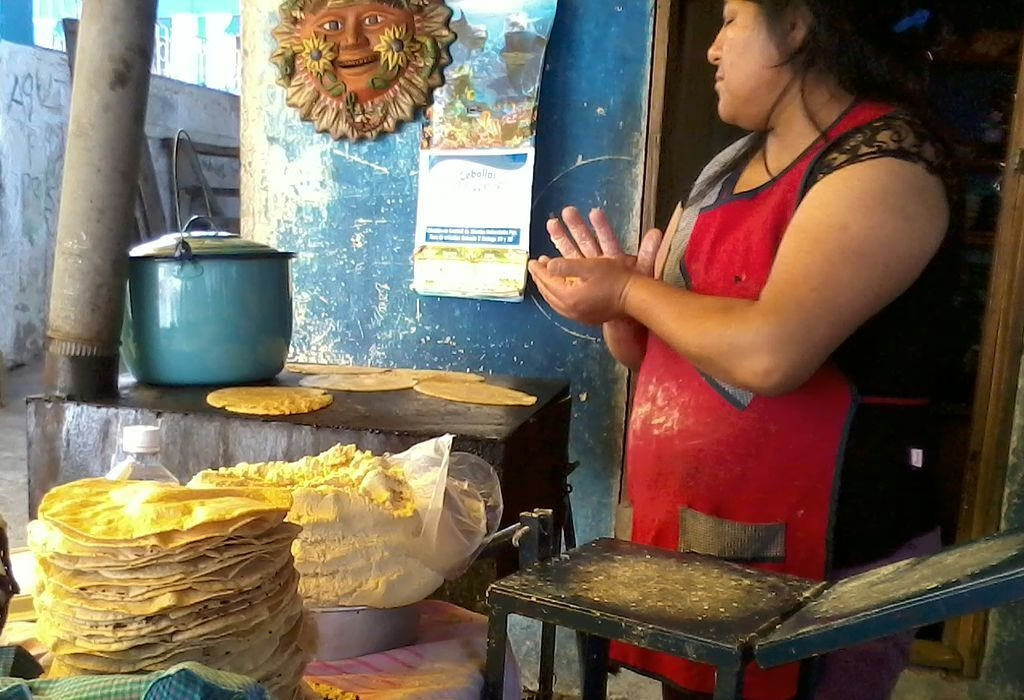
Michoacán has strong cooking traditions and unique regional dishes. If you want a good starting point, read this introduction to Michoacan’s traditional cuisine.
How to use regions and state guides without getting lost
- If you are planning a trip, start with the region guide first. Then open the state guide.
- If you are only curious, pick one state and learn its “signature” dishes.
- If you love markets, check the state guide for market foods and snacks.
Traditional dishes you should try
People ask, “What are the main Mexican dishes?” There is no single perfect list. Still, it helps to have a strong starting point. We made a selection of twenty iconic regional specialties that works well as a checklist
Here are some traditional dishes you will often see, with links to deeper guides when available.
Topo
Mole is not one sauce. It is a family of sauces. Some are dark, red, and some are green. Many have chilies, spices, and sometimes chocolate. If you want a full story about mole and why it matters, start by exploring the cultural heritage of this delicious sauce.
Pozole
Pozole is a stew made with hominy (big corn kernels) and meat. It is often linked to celebraciones. If you want the history, read this article of pozole’s ancient origins.
Tamales
Tamales are made with masa. They are wrapped in corn husks or banana leaves. Fillings can be sweet or savory. To understand more, explore the variety of traditional tamales across the country.
Tacos
Tacos are everywhere, but they are not all the same. These are amazing and a must-try experience during your trip in Mexico. Keep reading and jump to the tacos section below.
Guacamole
Guacamole in Mexico is often simple. Many people use it as a topping, not a big dip bowl. You can see how this authentic preparation varies across the country.
Churros
Churros are a popular sweet snack. People often eat them with hot chocolate or coffee, making it one of the most beloved street food traditions in Mexico.
Mexican street food basics
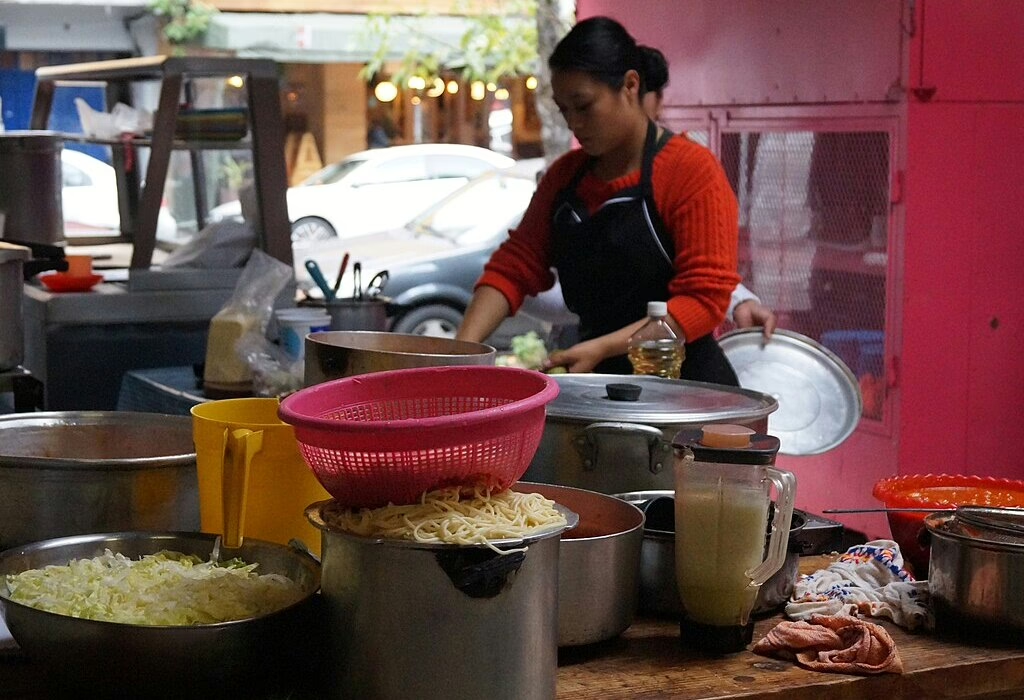
Street food is one of the best ways to try Mexican food. It is also where many travelers feel nervous. People worry about hygiene, spice, and how to order. The good news: with a few basic habits, you can safely enjoy the best of Mexico’s street food.
Basic street food words you will hear
- Puesto: a stand
- Taquería: taco place
- Tortillería: tortilla shop
- Mercado: mercado
- Antojitos: small street foods, usually corn-based
- Salsa: sauce, can be mild or hot
How to pick a good stand
There is no perfect rule, but these signs help:
- The stand has steady customers
- Food looks fresh and moves fast
- The cook uses clean tools and keeps raw items separate
- The area is not messy with old food
How to handle spice
Many dishes are not spicy until you add salsa. If you are unsure:
- Start with a small amount
- Ask “pica?” to see if it is spicy
- Try green salsa first if you want milder, but this is not always true, so still taste carefully
How to order simply
If you are shy, keep it basic:
- "Dos tacos, por favor"
- "Con cebolla y cilantro"
- "Sin cebolla” if you do not want onion
- "Para llevar” if you want takeout
Street food is also about timing
Some foods are more common at night. Some are morning foods. Tamales are common in the morning. Tacos can be any time, but late night taco spots are famous too.
Tacos: how they work in Mexico
Many travelers think tacos are one thing. In Mexico, tacos are a whole system. The tortilla matters. The filling matters. The salsa matters. Even the time of day can change which variety of authentic tacos you’ll encounter.
Basic taco parts
- Tortilla: usually corn, sometimes flour in the north
- Filling: meat, seafood, vegetables, mushrooms, beans, cheese, more
- Toppings: onion, cilantro, lime, salsa, sometimes pineapple
- Extra: sometimes you get grilled onions, nopales, or radish on the side
Common taco styles you might see
- Al pastor: pork with spices, often served with pineapple
- Suadero: slow cooked beef, common in Mexico City
- Barbacoa: slow cooked meat, often eaten in the morning
- Carnitas: pork cooked slowly in fat
- Birria: stewed meat, often linked to Jalisco
- Fish tacos: more common near coasts, also popular in Baja style
How to eat tacos like a local
- Eat them right away if you can. Tacos are best fresh.
- Use salsa little by little.
- Squeeze lime if you like acidity.
- Two tacos can be a small meal. Four or five can be a big meal, depending on size.
One simple rule: do not try to make the taco “fancy”
In many places, tacos are simple on purpose. The taste is in the tortilla, the meat, and the salsa.
Quick picks: what to choose based on your mood
Not sure what to eat first? Use this simple guide. Pick the mood you want, then choose the dish that matches.
Want something rich and deep?
Go for mole. It is thick, complex, and full of roasted flavors.
For something cozy and comforting
Choose pozole. It is warm, filling, and perfect when you want a classic bowl meal.
Do you want something simple and satisfying?
Pick tamales. They are easy to eat, very common, and great for a quick meal.
Something fresh and light?
Try guacamole with tortillas or as a topping. It feels clean and bright.
Want something fun and sweet?
Go for churros, especially with hot chocolate.
What about something bold and local?
Try pulque if you want a traditional drink, or a michelada if you want something casual.
Want something “Mexico on a plate”?
Start with tacos. You can keep it mild, or add salsa little by little.
A note about “traditional”
In Mexico, traditional does not always mean old-fashioned. It can mean “our normal daily food,” or “the food our family makes.” It can also mean “food for a holiday.” That is why it helps to understand the cultural roots of these authentic meals.
Drinks you should know
Food and drinks go together in Mexico. Some drinks are ancient, and some are modern. Some are casual and fun. If you want to understand Mexican food culture, learn at least a few drinks.
Pulque
Pulque is a fermented drink made from agave sap. It has a long history. Many people try it in a traditional pulqueria to experience the unique legacy of this sacred pre-Hispanic nectar.
Michelada
A michelada is a beer drink with lime, salt, and often sauces or spices. It can be mild or strong, depending on the style and how the different ingredients are balanced.
How to choose
- If you want history and a very local feel, try pulque.
- If you want something casual and common, try a michelada.
Seafood in Mexico
Mexico has long coastlines. Seafood is important in many states. Still, seafood changes a lot by place. A seafood dish in Veracruz feels different compared with a seafood dish in Baja or in Los Cabos.
You can start by exploring the diversity of Mexican coastal cuisine. Then, if you are visiting Los Cabos, take a closer look at the local specialties found in the Baja region.
Simple seafood tips
- Go where locals go, especially near the coast
- Ask what is fresh today
- Try simple preparations first
- Be careful with spice if you are sensitive, since some seafood salsas can be strong
Seafood is also a good way to see regional identity
Even the same ingredient can be cooked in a different way. The coast has its own rhythm and flavors.
Ancient roots: Aztec and Mayan food
Mexican food has deep roots. Many ingredients and habits are old. If you want to understand why corn matters so much, or why certain herbs and chilies are key, ancient food history helps a lot.
Aztec Food
This guide explores ancient cooking ideas and ingredients linked to Aztec life.
Mayan Food
This guide explores ancient Mayan gastronomy and how it connects to modern food.
How to use these guides
- Read them for context: ingredients, techniques, and daily life
- Then go back to modern region guides, like Yucatan or Oaxaca
- You will start to see the links between old and modern food
Mexico City add-ons: tacos and cafes
Many travelers start in Mexico City. The city has street food, mercados, restaurants, and cafes. Even if your trip is not only Mexico City, a few Mexico City guides can make your first days easier. Then, if you want to learn behavior and ordering tips, or only want to know how to navigate the street taco scene in Mexico City like a local, this is for you.
Why cafes fit inside a Mexican food guide
Mexican food is not only street food and stews. Mexico City has a strong coffee scene too. Many travelers enjoy a cafe break between museums and neighborhoods. It also helps if you want a slower food experience. If you’re looking for the best spots to relax, explore this selection of cozy cafes in Mexico City.
Simple FAQ
What should I try first if I have only one day in Mexico City?
Start with street food plus one traditional dish. You can explore the essential street snacks alongside a curated selection of the most iconic national plates.
Is Mexican food always spicy?
No. Many dishes are not spicy until you add salsa. To better understand how heat works in the kitchen, you can learn more about the diverse spice culture in Mexico.
What region is best for food?
It depends on what you like. You can start by looking at how flavors change across different Mexican regions, then open the state guides.
What is the most iconic Mexican drink?
It depends on the moment. For tradition and history, you can explore the ancestral roots of pulque, often called the drink of the gods. For something more casual and modern, you might enjoy the unique blend of flavors in a classic michelada.
Is Mexican food the same in every state?
No, flavors change by state. Northern states prefer wheat and beef, while southern regions focus on corn and moles.
What is antojitos?
These are “little cravings” or street snacks, mostly corn-based, like gorditas, sopes, and tamales, eaten anytime as a treat.
Is street food safe in Mexico?
Yes, if you choose busy stands with high turnover, watch for clean handling, and follow local crowds for quality.
What should I eat if I don’t handle spicy food?
Try tacos al pastor (without salsa), quesadillas, cochinita pibilo pozole blanco. The heat is usually in the side salsa.
Conclusión
Mexican food is much more than just a meal. It is a mix of history, family, and local culture. From the ancient corn used by Aztecs to the modern tacos on the street, every bite tells a story. When you travel through Mexico, you will see that every state has its own special flavors and secrets.
This guide is your map to explore these flavors. You can learn about the main ingredients like corn and chilies, discover regional dishes from Oaxaca or Yucatan, and find the best street food. Remember, you don’t need to try everything at once. Use our links to read more about the dishes or drinks that you like the most.
Finally, don’t be afraid to try new things. Whether you want a spicy salsa, a sweet churro, or a traditional drink like pulque, there is something for everyone. We hope this guide helps you feel like a local. Enjoy your culinary journey through Mexico!