
 ES
ES  EN
EN  FR
FR  PT
PT  DE
DE  IT
IT 

Tabla de contenidos:
- ¿Qué es un tamal?
- Historia de Tamal
- Different Regions in Mexico and their Tamales Traditions
- Differences Between Mexican Tamales and Other Regional Varieties
- Importancia de los tamales en México
- ¿Cómo se prepara un tamal?
- Tipos de tamales
- Conclusión
- Vídeo informativo
¿Qué es un tamal?
Quick answer box:
💡A tamal (plural: tamales) is a cornerstone of Mexican gastronomy. At its core, it consists of nixtamalized corn masa (dough) mixed with lard or vegetable shortening to achieve a light, fluffy texture. This dough is spread onto a corn husk (hoja de maíz) or banana leaf (hoja de plátano), filled with savory or sweet ingredients, and steamed to perfection. Beyond being a meal, the tamal is a testament to the ancient art of corn nixtamalization.
A tamal (while ‘tamale’ is common in English, the correct singular in Spanish is ‘tamal’) is a traditional Plato mexicano with deep cultural roots that has been enjoyed since pre-Columbian times. It’s a creation of masa, a corn dough mixed with lard or shortening. Cooks spread this dough on a corn husk or leaf, fill it with tasty things like meat or veggies, then fold it up. They steam the tamal until it becomes firm and ready to eat.
Los tamales son esenciales en Cultura mexicana since they reflect the importance of family and community. Different parts of Mexico have their ways of making tamales, with lots of tasty fillings and sauces, showing how diverse Mexican cooking can be.

Historia de Tamal
Los tamales existen desde hace miles de años. Comenzaron en lugares como México con antiguas civilizaciones como la Aztecas, Mayay Toltecas.
These ancient civilizations loved tamales because they were easy to carry around, lasted long, and provided nourishment. At first, tamales had different stuff, like beans, turkey, or veggies. People cooked them over a fire or steamed them, which made them easy to take along when people traveled or went to battle.
Now, the words “tamal” and “tamale” are mainly about the language you’re speaking. In Spanish, you say “tamal” for one; in English, it’s “tamale.” But they mean the same thing – a delicious treat made of corn dough with tasty ingredients inside, wrapped and cooked.
Tamales have changed over time, incorporating influences and flavors from different cultures like Spanish, African, Asian, and European. But they’re still a favorite in Mexico and Central America, keeping their unique place in the mundo de la alimentación. To taste authentic street tamales in their natural habitat, join our Street Food Tour Mexico City.

Different Regions in Mexico and their Tamales Traditions
Corundas
En Michoacán, the tamal takes a unique architectural form: the Corunda. Unlike the rectangular tamal, Corundas are triangular or spherical. They are often made without filling, focusing on the quality of the masa, and are traditionally served with crema, salty queso Cotija, and a zesty red salsa.
Las corundas son muy populares en Michoacán ya que son un plato obligado en todas las celebraciones y festivales de este bello estado. La gente se reúne para disfrutar de estos deliciosos manjares, que suelen servirse acompañados de frijoles, salsa y crema agria.
Crear este plato tipo tamal es también una forma de entender los métodos tradicionales de la cocina familiar en México. Cada receta transmitida de generación en generación es una forma maravillosa de entender la herencia culinaria de Michoacán y la creatividad de la cocina mexicana. Eche un vistazo a nuestro post sobre comida picante. 🌶️

Uchepos
While most tamales rely on nixtamalized corn dough, uchepos are a completely different story. Hailing from the heart of Michoacán and the Tierra Caliente region, these are made from fresh, young corn (elote tierno) harvested while the kernels are still milky and sweet. The result isn’t a firm dough, but a light, almost custard-like texture that melts in your mouth. Wrapped in fresh green corn husks rather than dried ones, uchepos capture the pure, bright essence of the harvest, offering a delicate sweetness that is hard to find in any other Mexican dish.
What makes the uchepo truly iconic is the play of contrasts. Even though the base is naturally sweet, it is traditionally served as a savory masterpiece. In a local Michoacán market, you’ll find them drenched in a vibrant, spicy salsa verde or a rich tomato-based sauce, topped with a thick dollop of crema de rancho and a generous sprinkle of salty, crumbly Cotija cheese. This balance of sweet corn, tangy cream, and slow-burning chili is a sensory experience that defines the soulful, home-cooked heritage of Michoacán’s culinary landscape.
Differences Between Mexican Tamales and Other Regional Varieties
Los tamales mexicanos suelen hacerse con masa de maíz y llevan deliciosos rellenos como carne, queso o verduras. Se envuelven en hojas de maíz y se cuecen al vapor. Pueden resultar un poco más ásperos que otros tipos.
| Característica 👀 | Mexican Tamales 🍴 | Central American Tamales 🗺️ | South American (Humitas/Hallacas) 🌍 |
| Wrapper | Mostly corn husks (dried) | Mostly banana leaves (fresh) | Banana leaves or fresh corn husks |
| Masa Texture | Fluffy and aerated | Denser, often more hydrated | Creamy, sometimes sweet |
| Common Fillings | Mole, salsa verde, pork | Rice, olives, capers | Raisins, beef, hard-boiled eggs |
Los tamales de otros países pueden ser diferentes porque pueden usar otros tipos de masa o rellenos según lo que sea popular en esa zona. Por ejemplo, en América CentralEn América del Sur, pueden ser más pequeños y estar rellenos de arroz o patatas. Al mismo tiempo, en Sudamérica pueden ser más dulces y estar envueltos en hojas diferentes, con cosas como pasas o coco en su interior. Los tamales de cada país tienen un sabor excepcional y muestran sus tradiciones gastronómicas únicas.

Importancia de los tamales en México
Tamales are crucial in Mexico because they’re not just food but part of the culture and history. Families often make tamales during special times like holidays or celebrations, bringing everyone together in the kitchen. It’s a way to pass down recipes and traditions from generation to generation, making tamales more than just a meal.
En México, los tamales también tienen un gran protagonismo festivo y cultural, tradiciones, y eventos mexicanos. Los encontrará en mercados y puestos callejeros, donde la gente hace cola para probarlos. Son un sabroso manjar que alegra a la gente y la conecta con sus raíces, recordándole los sabores y las historias de su tierra natal.
🗒️Author’s Note: In Mexico, you’ll find tamal vendors almost everywhere, especially outside concerts or massive events. They are the ultimate late-night street food; when you leave a club or a show with a huge appetite, a warm tamal is the go-to remedy. These vendors usually carry a wide variety of flavors, making them a staple of Mexico’s vibrant nightlife and street food scene.
🎄¿Buscas celebraciones y eventos culturales en México? Echa un vistazo a nuestros tours:
- México Mariposa Monarca: Visita el Santuario de Sierra Chincua y un Pueblo Mágico (14h).
- Mixquic Día de Muertos: Recorrido por el Día de los Muertos (9 h).
- Día de Muertos Ciudad de México 2024: Recorrido a pie (4 h).

¿Cómo se prepara un tamal?
Ingredientes: To prepare tamales, you will need masa made with corn flour, water or broth, and a small amount of fat such as lard or vegetable shortening.
- Montaje: Empiece extendiendo una fina capa de masa sobre una hoja de maíz o de plátano. A continuación, añade una cucharada del relleno elegido en el centro de la masa.
- Envoltorio: Dobla los lados de la hoja de maíz o de plátano sobre el relleno para envolverlo completamente. ¡Es como envolver un pequeño regalo!
- Cocinar: Cuece al vapor los tamales envueltos hasta que estén bien cocidos y firmes. Dependiendo de su tamaño, esto suele tardar entre 1 y 2 horas.
- Disfrute: Una vez cocidos, ¡desenvuelve los tamales y disfrútalos calientes! Son perfectos para compartir con la familia y los amigos. Acompáñalos con tus salsas favoritas para darles más sabor.
Tipos de tamales
Hay diferentes tipos de tamales, cada uno con su toque único. Tamal hoja de plátano (hoja de plátano). Éste se elabora envolviendo la masa y rellenándola en una hoja de plátano, lo que le confiere un sabor y aroma distintivos. Por otro lado, el Tamal hoja de maíz utiliza hojas de maíz para envolverlo, lo que le da una textura y un sabor ligeramente diferentes.
Para los que siguen una dieta vegana, hay el tamal vegano, que omite productos de origen animal como la manteca de cerdo o la carne, utilizando en su lugar ingredientes de origen vegetal para crear una versión deliciosa y libre de crueldad de este plato tan querido. No importa si prefieres los sabores tradicionales o el tamal vegano para una opción basada en plantas. Hay un tamal para todos los gustos. 🍀Degusta deliciosos platos vegetarianos con nuestro: Mexico City Vegan Food Tour: un delicioso viaje por Roma y Condesa (3,5 h)

Conclusión
In the grand tapestry of América Latina gastronomy, Tamal stands out as a living relic of pre-Hispanic ingenuity. What began as a portable, high-energy meal for Aztec and Mayan warriors has evolved into a sophisticated symbol of national identity. To truly understand what is a tamal, one must look beyond the simple combination of masa and filling; it is a culinary vessel that has carried indigenous techniques, colonial influences, and family secrets across centuries, maintaining its relevance in the modern world.
The sheer diversity of this dish is a reflection of Mexico’s rich geography. From the fluffy, corn-husked classics found in the high-altitude streets of Mexico City to the banana-leaf-wrapped oaxaqueños and the delicate, creamy uchepos of Michoacán, the world of Tamal Mexican Food offers an endless journey for the curious palate. Each region uses the local bounty to tell its own story, proving that the art of tamale-making is not a static recipe, but a flexible, living heritage that adapts to every landscape and diet, including modern vegan and vegetarian interpretations.
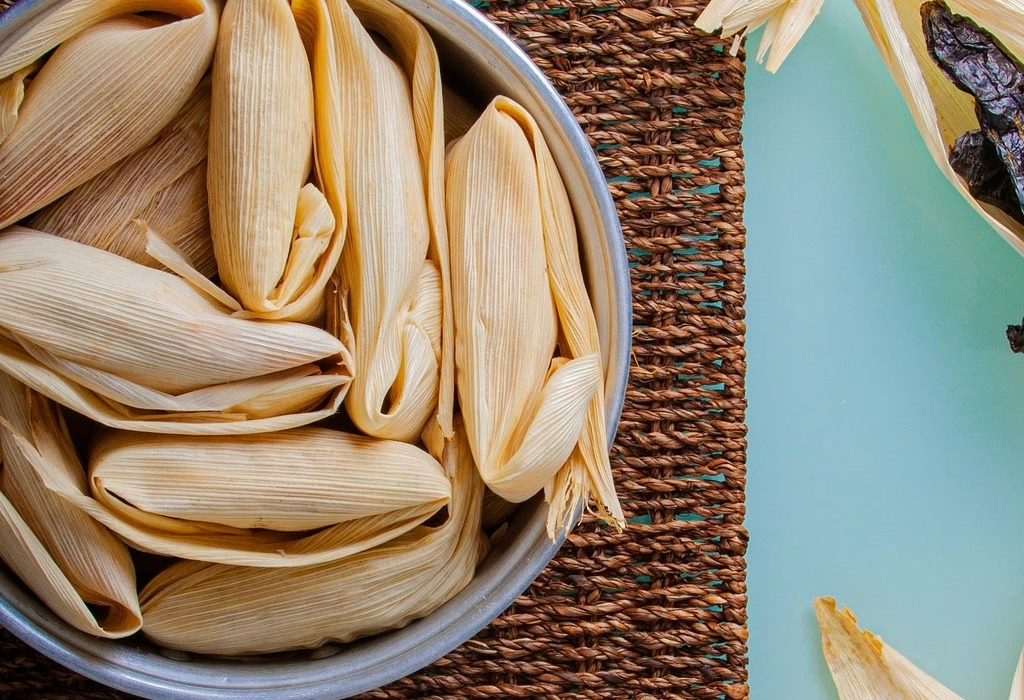
Beyond its flavor,
The cultural weight of the tamal lies in the “Tamalada“—the traditional communal gathering where families spend hours assembling hundreds of tamales. This social ritual is where the true definition of what is a tamal is forged; it is a bond that connects generations, where elders pass down the rhythmic flick of the wrist needed to spread the masa perfectly. For the traveler, eating a tamal in a local market isn’t just a meal; it’s an invitation to participate in a sacred Mexican tradition that values patience, community, and the sanctity of corn.
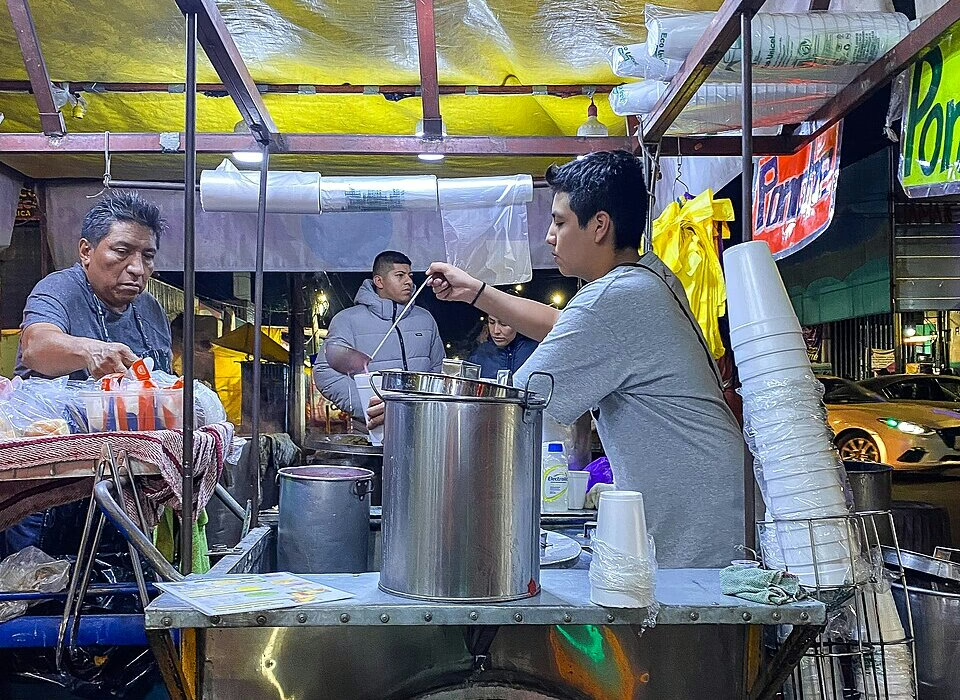
Ultimately, exploring the nuances of Tamal Mexican Food is an essential pilgrimage for any food lover visiting Mexico. Whether you are unrolling a steaming husk at a street corner at dawn or enjoying a gourmet version in a fine-dining establishment, you are tasting the soul of a nation. We hope this guide has inspired you to seek out these authentic flavors and discover for yourself why the tamal remains the undisputed king of Mexican comfort food. The next time someone asks you what is a tamal, you’ll be able to tell them it’s a small, wrapped gift from Mexico’s history to the world.