
 EN
EN  ES
ES  FR
FR  PT
PT  DE
DE  IT
IT 

Table of Contents:
- Introduction
- Why Mexico Is a Paradise for Flower Lovers?✨
- What Is the National Flower of Mexico and Why Does It Matter
- Meet the Dahlia: Mexico’s Official National Flower🌺
- Iconic Flowers of Mexico You’ll See During Your Trip👀
- Marigold: The Flower of Dia de Muertos 🏵️
- Poinsettia: Mexico’s Winter Flower🪴
- Jacarandas: The Purple Season in Mexico City🪻
- Orchids of Southern Mexico🌸
- Best Time to Visit Mexico for Flower Seasons 😍
- Where to Experience Mexico’s Floral Beauty?📍
- Where to See Flowers outside Mexico City🗺️
- Travel tip: Jardines de México – A Floral Paradise💐
- FAQ About the National Flower of Mexico🤔
- Conclusion
Introduction
We invite you to enjoy the following video. In it, you’ll see a visual journey through the most spectacular species that inhabit Mexios.
Next, we’ll uncover the flowers of Mexico and give you the ultimate roadmap with the best botanical gardens and seasons.
Why Mexico Is a Paradise for Flower Lovers?
Mexico concentrates a large number of animal and plant species within its territory thanks to the great diversity of ecosystems. In this case, the flowers of Mexico are the protagonists of this visual spectacle that changes as you travel.
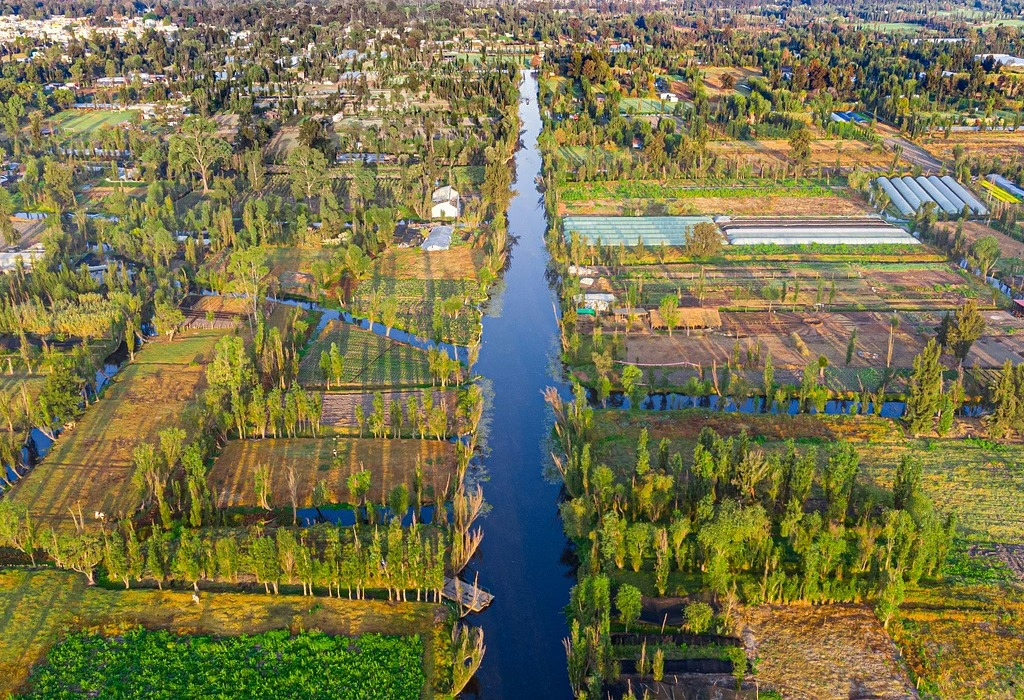
From Desert Landscapes to Tropical Jungles
Mexico is a paradise for nature-loving travelers because the diverse ecosystems coexist within the same territory, such as:
- Deserts with giant cacti.
- Temperate pine and oak forests.
- Tropical rainforests.
- Cloud forests.
- Coastal ecosystems.
- High-altitude volcanic zones.
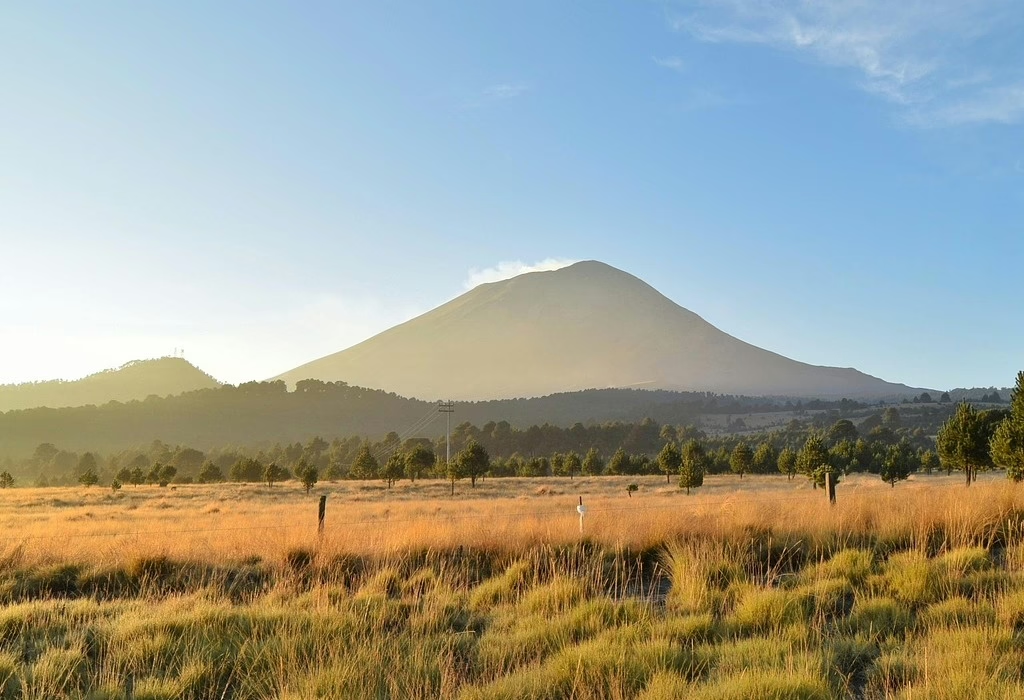
A Mosaic of Climates You Can Experience in One Trip
Mexico benefits from having four seasons in its highland regions, while in the tropical zones the seasons are divided into “dry” and “rainy.”
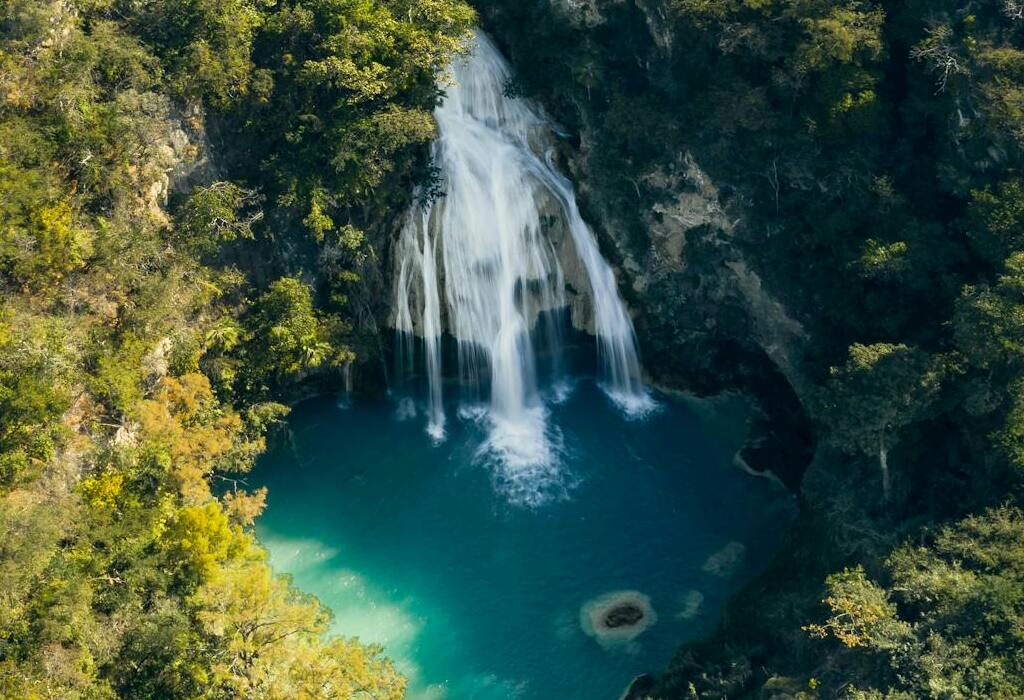
From Rituals to Festivals: Flowers of Mexico
The flowers of Mexico are not just a scientific fact or a biodiversity statistic; they are the soul of Mexican culture. If you pay attention during your travels through Mexico, you’ll notice that flowers are woven into the very fabric of every state you visit. They are not mere decorations; they are symbols of history that have survived the passage of centuries.
Flowers of Mexico in Culture and Travel
For pre-Hispanic civilizations, botany was a sacred science. In Aztec rituals, flowers not only adorned temples but were also living offerings. It was believed that the aroma of flowers was the only thing that could soothe the gods and gladden the hearts of warriors. If you’re curious about the spiritual world where these traditions were born, explore our Quick Guide to Mexican Aztec pyramids and their history to understand the ceremonial spaces where flowers played such an essential role.
Undoubtedly, pre-Hispanic civilizations possessed a profound understanding of the medicinal properties of every petal, root, and stem—a wisdom you can still find in traditional markets, where healers offer flower remedies for almost any ailment of the soul or body.
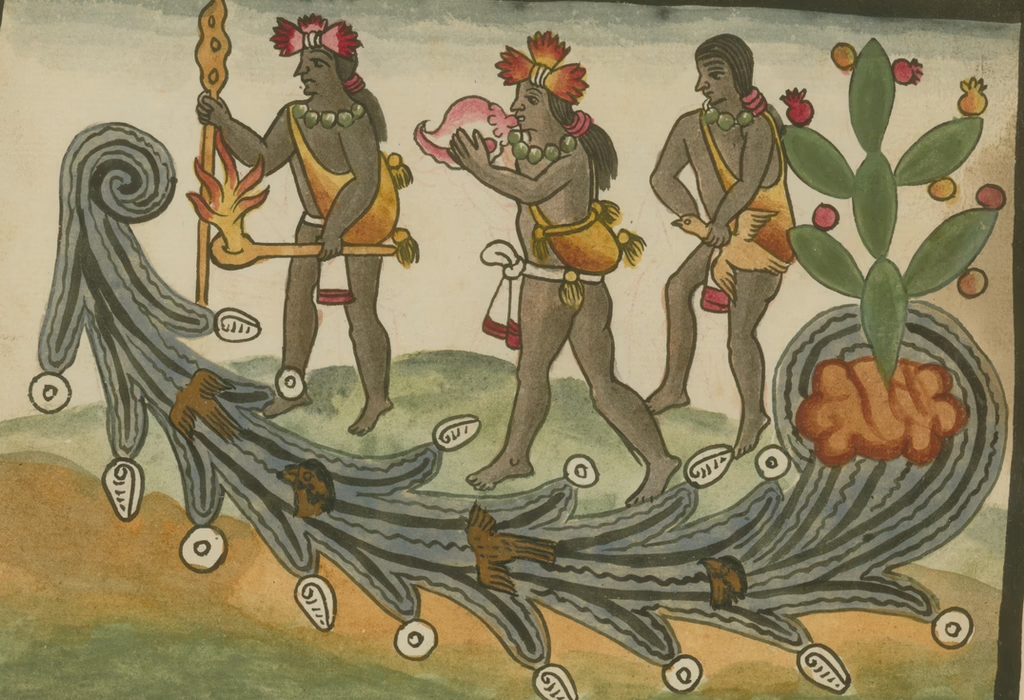
Even today, in its festivities and traditions, the presence of flowers is overwhelming. Think of the intense orange of the marigold during the Dia de Muertos, carpeting the cemeteries to guide the deceased, or the vibrant red of the poinsettias that herald winter. Flowers in Mexico mark the rhythm of the social and religious calendar; they tell us when it’s time to celebrate, when it’s time to remember, and when it’s time to thank the earth for its bounty.
That’s why, in this article, we’ll tell you how you can enjoy Mexico from a new perspective, so that the next time you stroll through a tourist area, try a Mexican dish, or attend a festival, you’ll have a unique experience that will show you why the flowers of Mexico are the vibrant heart of this country.
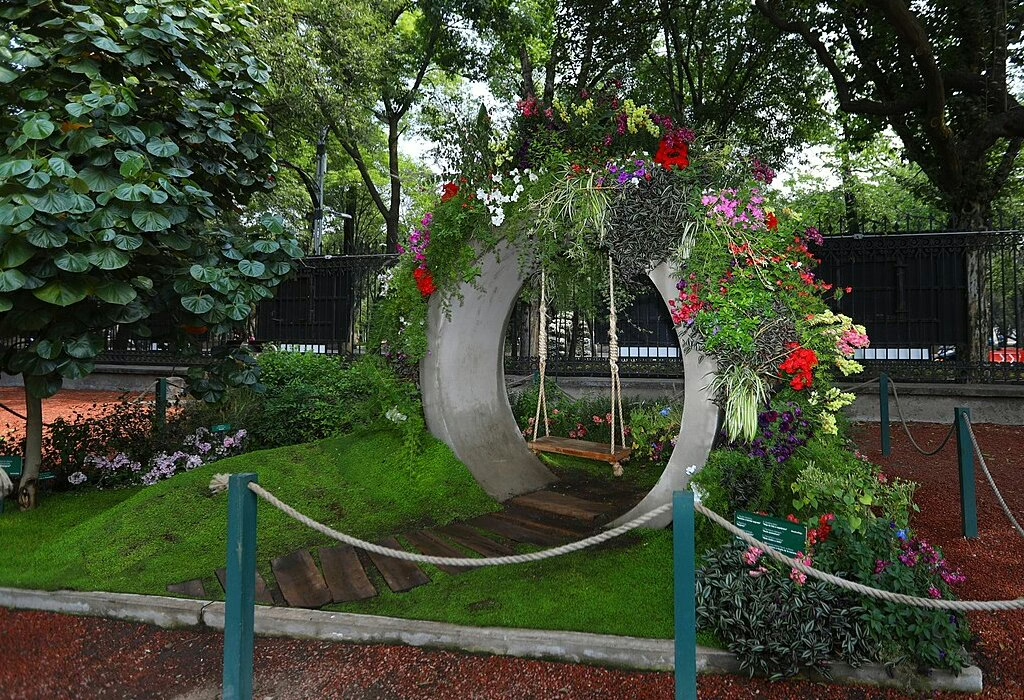
What Is the National Flower of Mexico and Why Does It Matter?
The answer is clear: the dahlia. The dahlia was selected because:
- It is native to Mexico.
- It possesses enormous genetic diversity.
- It is documented in pre-Hispanic history.
- It represents strength and adaptability.
- It symbolizes national identity.
Since then, August 4th has been celebrated as National Dahlia Day, a date that promotes the conservation and appreciation of this flower.
So, if you’re an international traveler exploring the main flower markets or botanical gardens in central Mexico, we’re sure you’ll be captivated by the perfect geometry of this flower. You should know that long before it became internationally known, the dahlia was already being cultivated by the Aztecs (Mexicans).
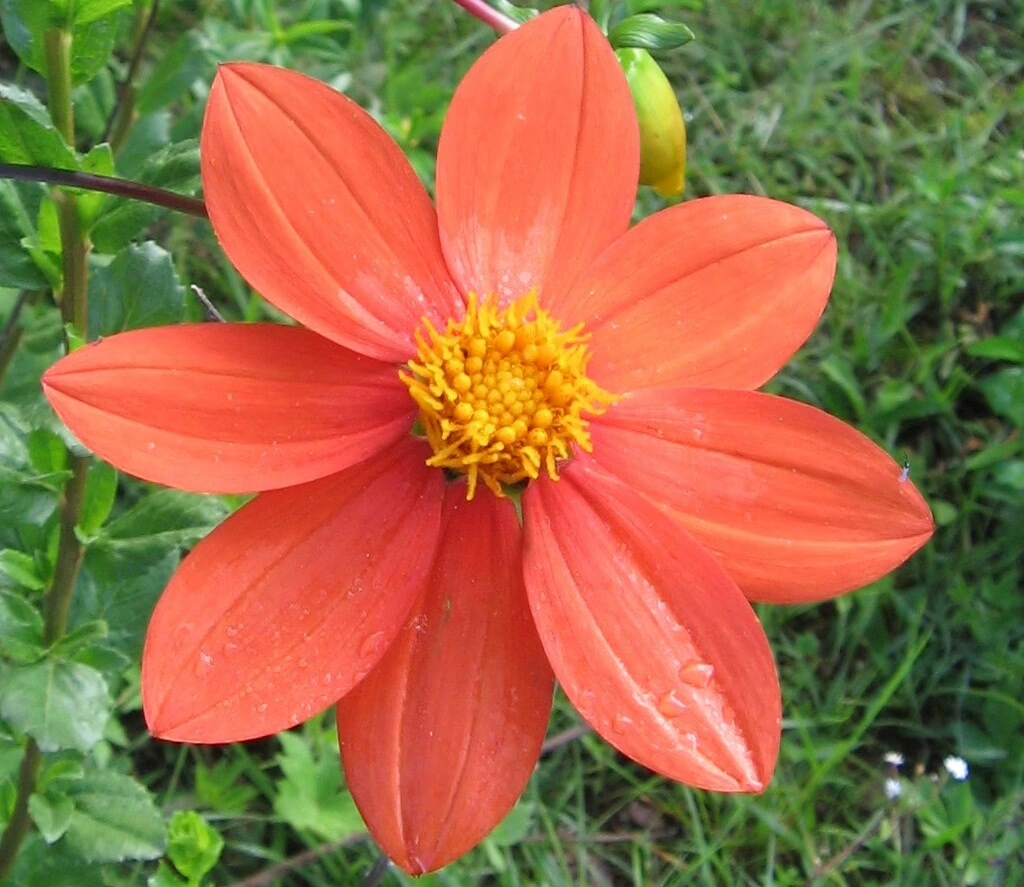
Meet the Dahlia: Mexico’s Official National Flower
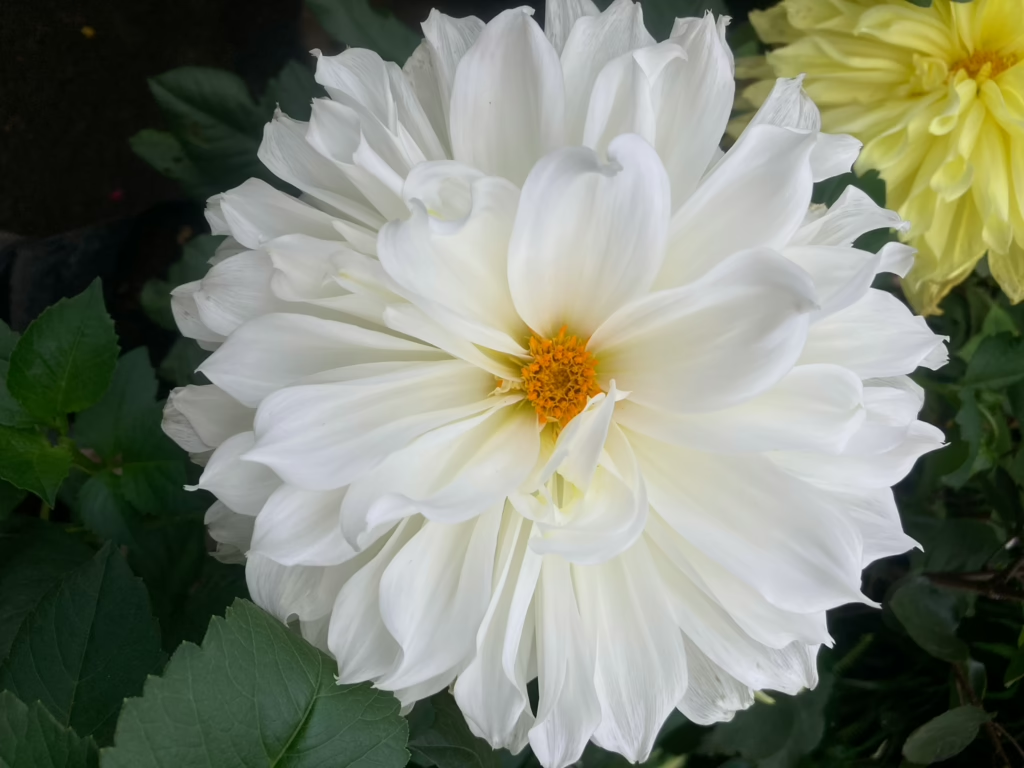
Did you know there isn’t just one type of dahlia? One of the most surprising facts is that there are more than 40 species of dahlias endemic to Mexico. This means that these specific varieties don’t grow naturally anywhere else in the world.
From the small Dahlia coccinea with its simple red petals to the impressive Dahlia imperialis (or Tree Dahlia), which can reach several meters in height, this family of flowers is a testament to the adaptive evolution of our land. It is, quite literally, a masterpiece of Mexican nature that has traveled from our valleys to adorn the most luxurious gardens in Europe and around the world.
Fun Fact: There are no blue dahlias
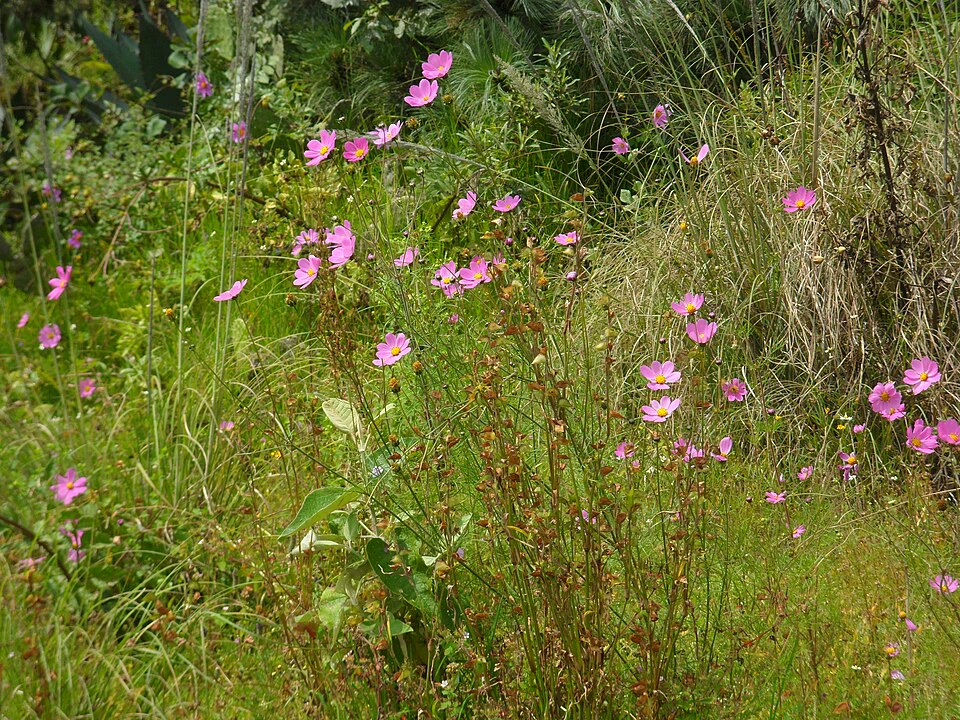
How Pre-Hispanic Civilizations Used the Dahlia
To understand the importance of Mexico’s flowers, we must look back, long before the arrival of the Spanish. The Aztecs were masters of botany and called the dahlia Acocoxóchitl, which in Nahuatl means “water stems” or “water pipe.”
But for them, it wasn’t just a pretty face in the emperor’s garden. The Aztecs were both practical and spiritual:
- Medicine: They used the plant’s tubers to treat infections and digestive problems.
- Food: Its petals and roots were part of the pre-Hispanic diet. They were a source of energy and nutrition that is being rediscovered by Mexican cuisine today.
- Science: The hollow stems were even used to carry water or as rudimentary tools.
When you walk through archaeological sites or present-day indigenous communities, seeing the Dahlia is like connecting directly with that ancestral wisdom that understood nature as medicine, kitchen, and art all at once.
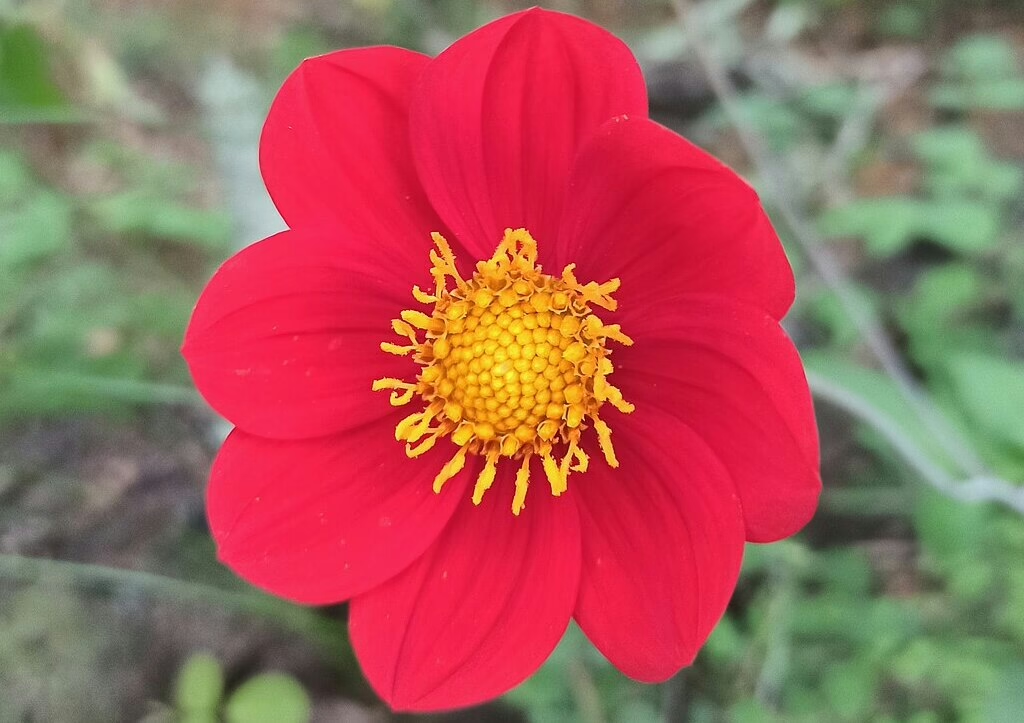
Iconic Flowers of Mexico You’ll See During Your Trip
For an international traveler, Mexico is a landscape that changes color depending on the month you choose to visit. Although Mexico’s national flower has its own unique place, the calendar is marked by other stars that transform entire cities and natural landscapes into fantasy settings. If you’re planning your next trip to Mexico, these are the flowers of Mexico you can expect to see, and they will undoubtedly define your photo album and your memories.
Marigold: The Flower of Dia de Muertos
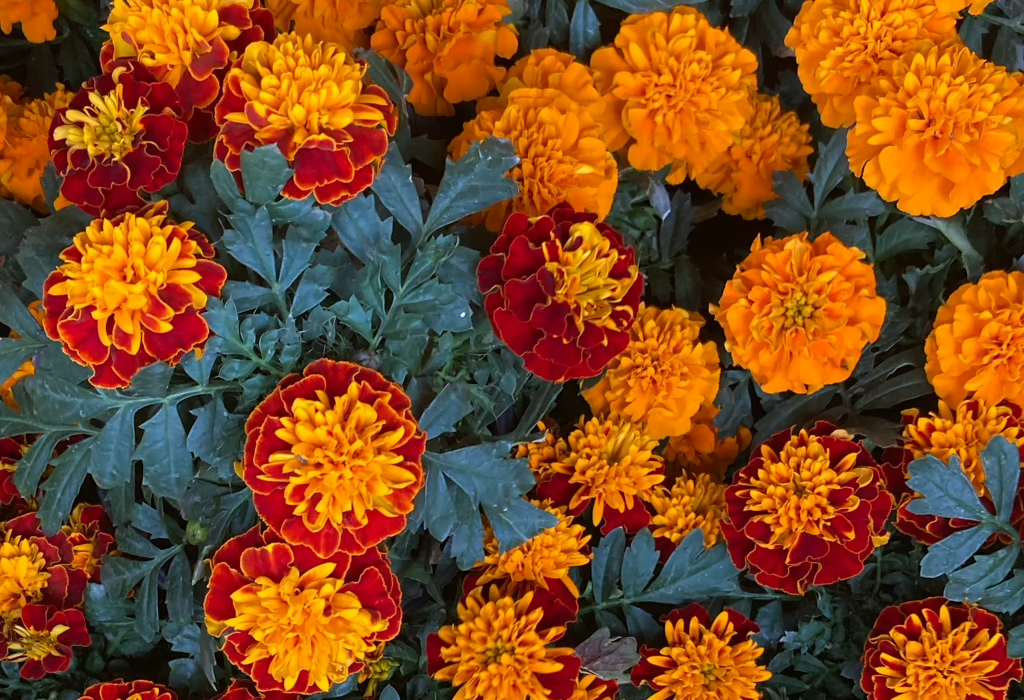
This flower of Mexico is one of the most representative of one of the country’s most famous international celebrations: Día de Muertos. According to this tradition, this flower is not just a decorative plant; it is the spiritual bridge between life and death. Its name comes from the Náhuatl word Cempohualxóchitl, which means “flower of twenty petals,” and its intense aroma is, according to tradition, what guides the souls back home during Día de Muertos.
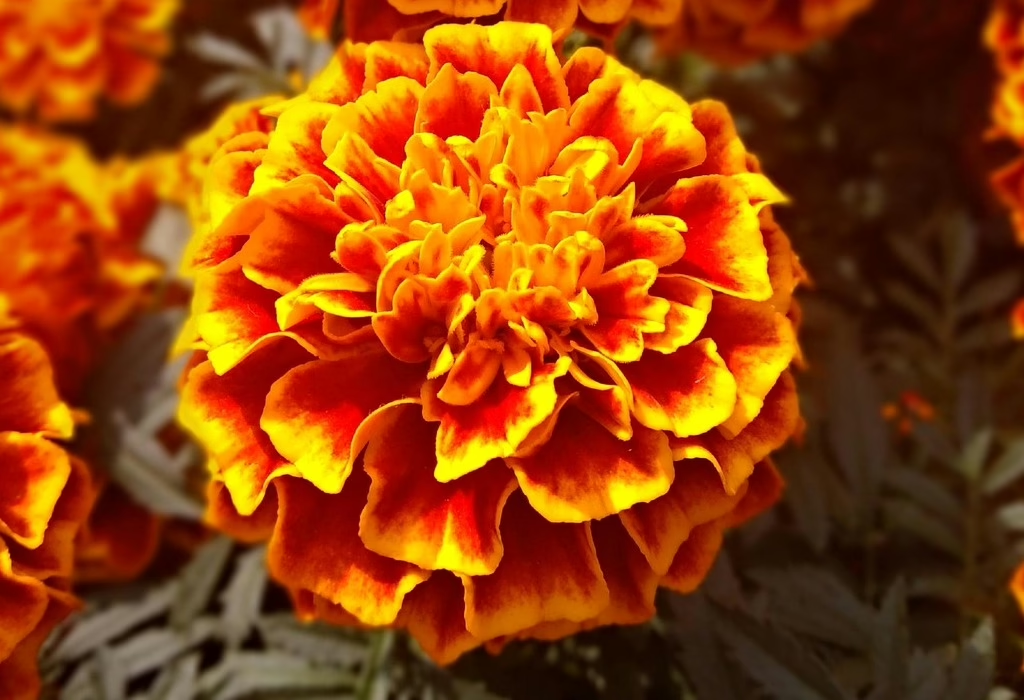
Season: To experience this, you should visit Mexico between late October and early November, as this is the exact time when markets, plazas, and tourist areas are awash in this color to celebrate this tradition.
Best Place to See: If you want to see the most impressive altars, Oaxaca, Michoacán (especially around Lake Pátzcuaro), and Mexico City, whose parades and the chinampas of Xochimilco covered in flowers will leave you breathless. It’s the most powerful cultural event where the flowers of Mexico are the absolute stars. If you want to know more, check out our article Dia de Muertos 2026: The Ultimate Guide 2026, where you’ll find more information to prepare for your visit.
However, although it’s a deeply symbolic flower, it’s not Mexico’s national flower.
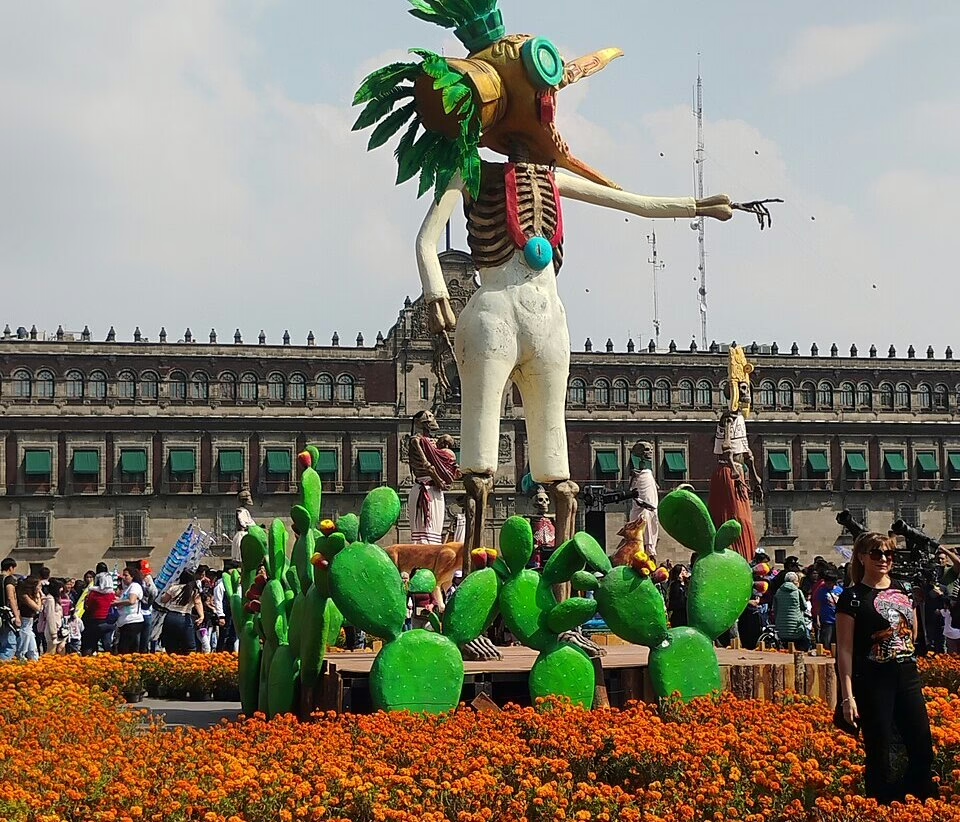
Poinsettia: Mexico’s Winter Flower
Many international travelers are surprised to discover that the famous “Christmas Flower” or Poinsettia that adorns living rooms in December is actually a gift from Mexico to the world. The poinsettia is the icon of Mexican winter but seeing it in its natural habitat is a completely different experience than seeing it in a small supermarket pot.
In its natural state, the poinsettia is a robust shrub that grows wild in the tropical and temperate regions of Mexico. It was Taxco, a designated Pueblo Mágico (Magical Town), that made it internationally famous, although for the Aztecs it was known as Cuetlaxóchitl and symbolized purity and new life. (If you’d like to know what we mean by Pueblo Mágico, we have a blog that explains it).
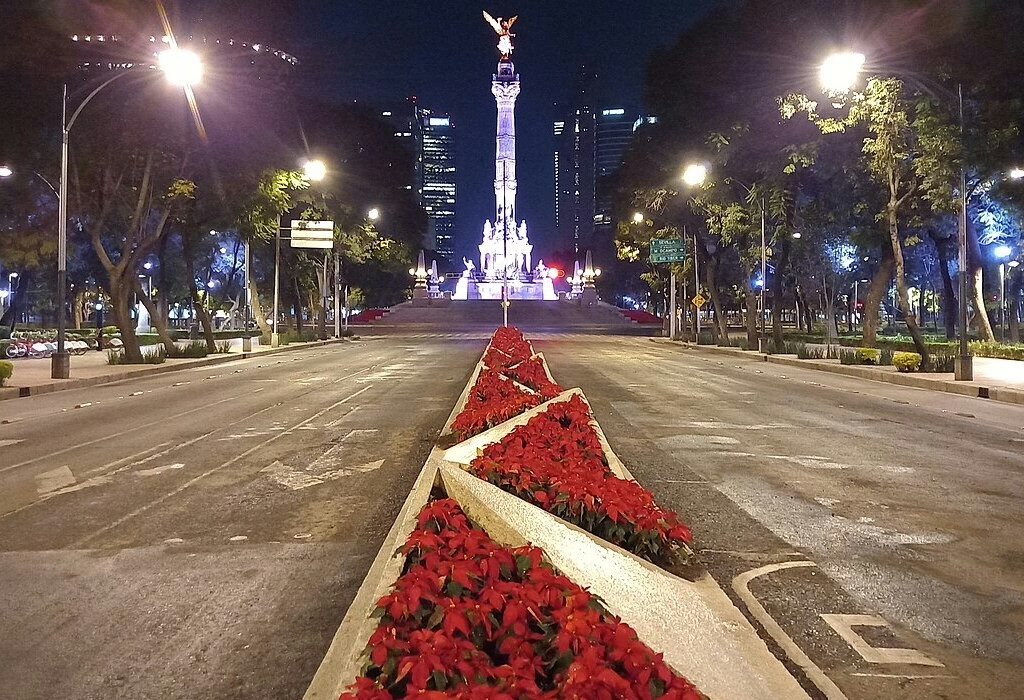
If you explore Mexico City, you’ll notice poinsettia bushes beginning to color the city, whether you find them along the avenues or on houses. This reminds you that, even after Mexico’s national flower in summer, the Mexican winter has its own star.
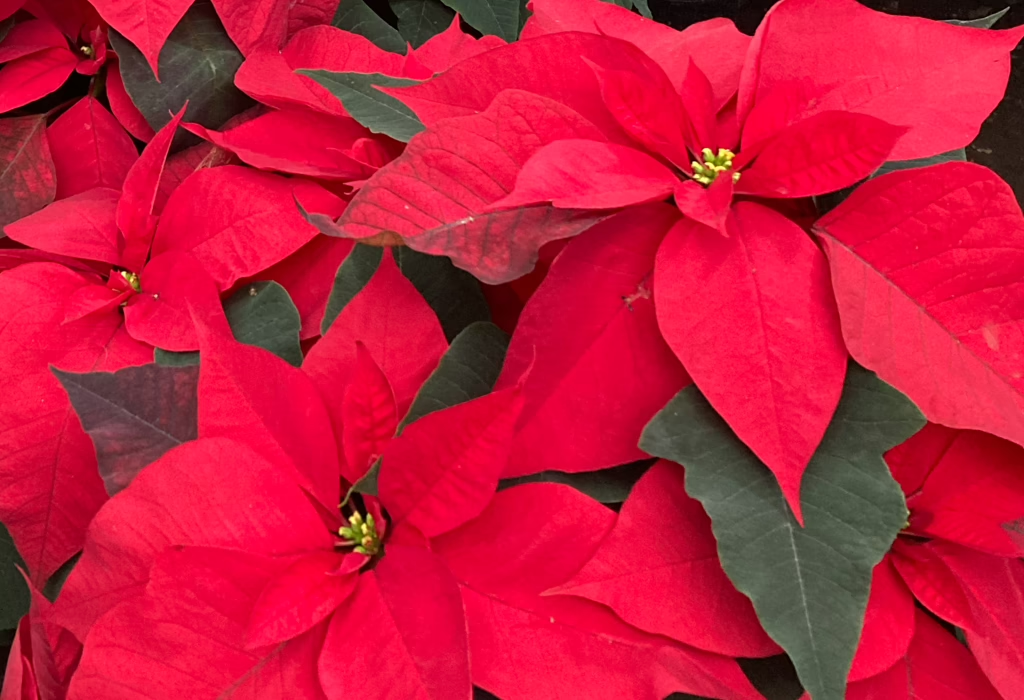
Although many consider it a very representative flower of Mexico, it doesn’t officially hold the title of national flower.
Season: The best time is in December, when plant markets are awash in red, offering poinsettias of all sizes. And, while red is the primary color, you can also find white and speckled varieties.
Best Place to See: Since it’s the holiday season, the whole city is painted red with this plant, so wherever you go you’ll find a poinsettia, whether in shopping malls, stores, or plant markets.
Jacarandas: The Purple Season in Mexico City
Although not native to Mexico (they arrived from South America and Japan decades ago), they have adapted so well to Mexico City that they are now part of its visual identity. For photography lovers, this is the quintessential “Instagrammable” moment.
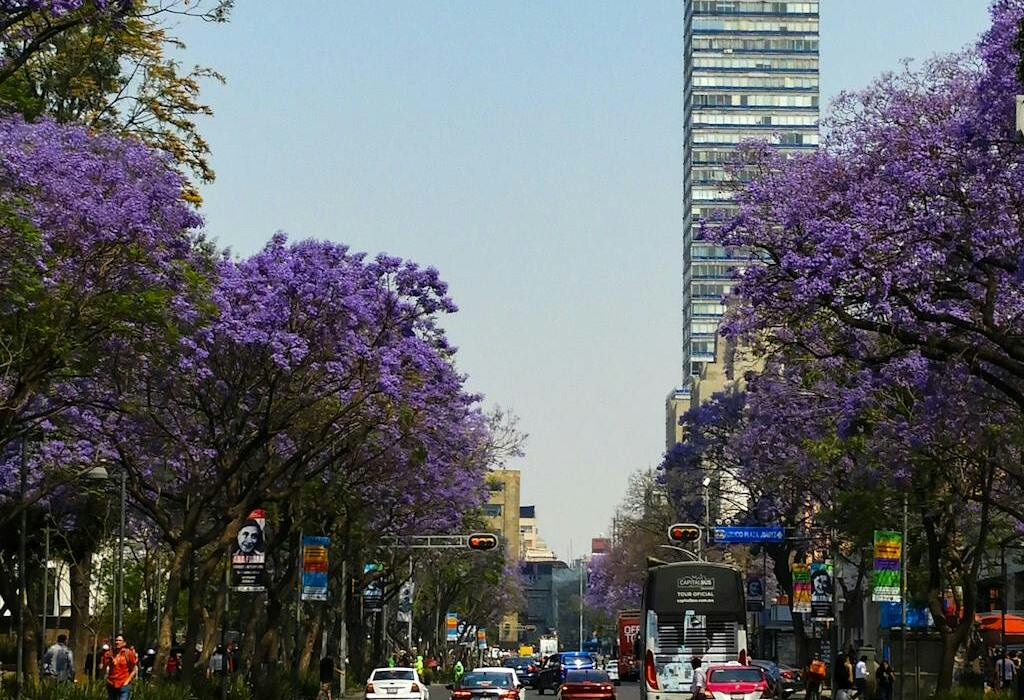
The contrast of the clear blue spring sky with the electric purple of the trees creates a landscape that seems straight out of a painting. It’s the ideal season for a walking tour of the capital’s historic center, where the air feels fresh and the scenery becomes soft and romantic.”
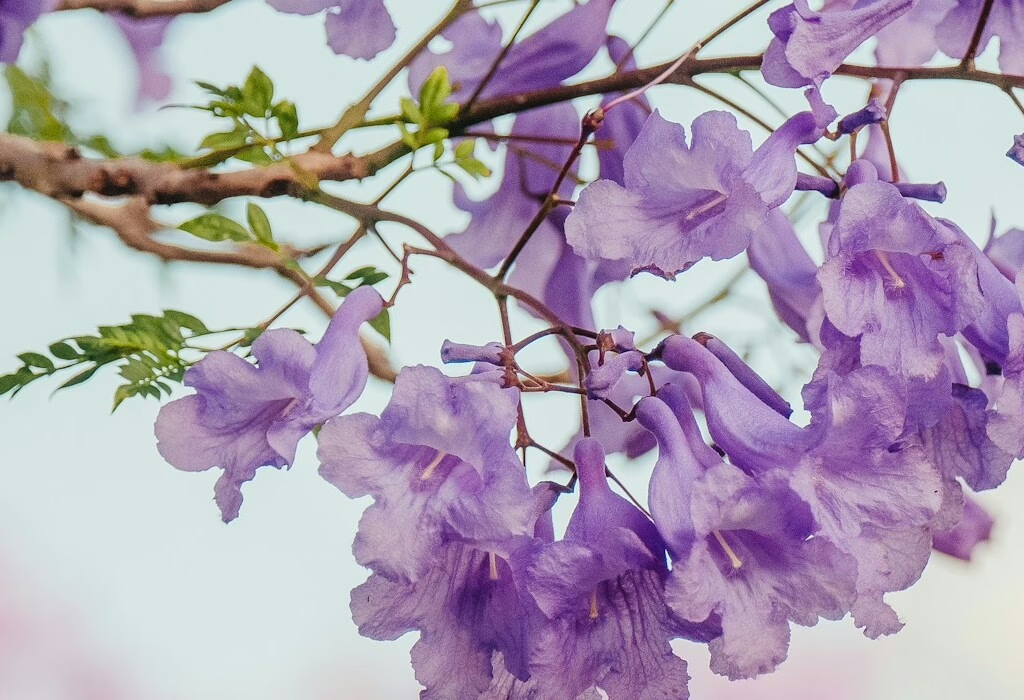
Season: If you’re more of a spring person and love taking photos during your trip, then March is the month to visit Mexico. During this season, Mexico City undergoes a surreal transformation: the jacarandas bloom simultaneously, creating a carpet of lilac and violet.
It’s worth noting that jacarandas are not Mexico’s national flower, but they have become part of the country’s collective imagination.
Best Place to See: The main avenues where you can see them are Paseo de la Reforma and the Condesa neighborhood.
If you’re planning to explore the area on foot, take a look at our complete guide to Roma and Condesa in Mexico City, where tree-lined streets and art deco architecture create one of the most charming urban experiences in the capital.
Orchids of Southern Mexico
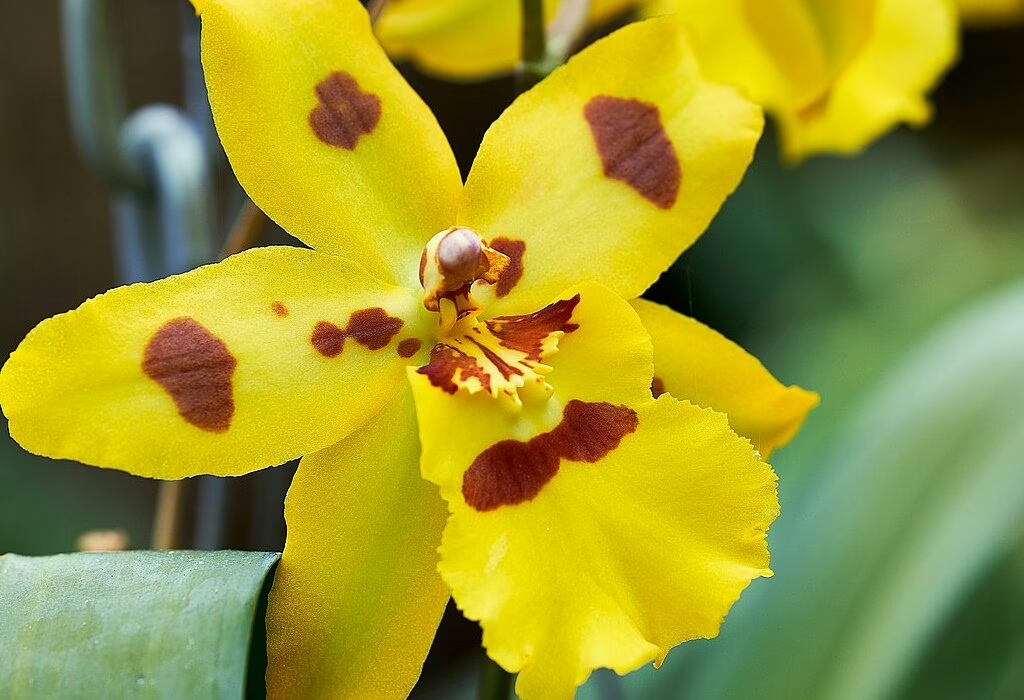
For true adventurers who prefer the sound of howler monkeys and the scent of damp earth, southern Mexico offers a completely different floral spectacle. Descending into the jungles of Chiapas and the Riviera Maya, flowers cease to be garden shrubs and become hidden jewels in the trees.
Orchids reign supreme here. Mexico boasts more than 1,200 orchid species, many of them endemic to the humid southern regions. In Chiapas, you can find species with shapes that resemble insects, growing in landscapes where nature and spirituality intertwine. If you want to experience this connection firsthand, discover the mystical traditions of San Juan Chamula in Chiapas, where ancestral beliefs and natural elements still shape daily life.
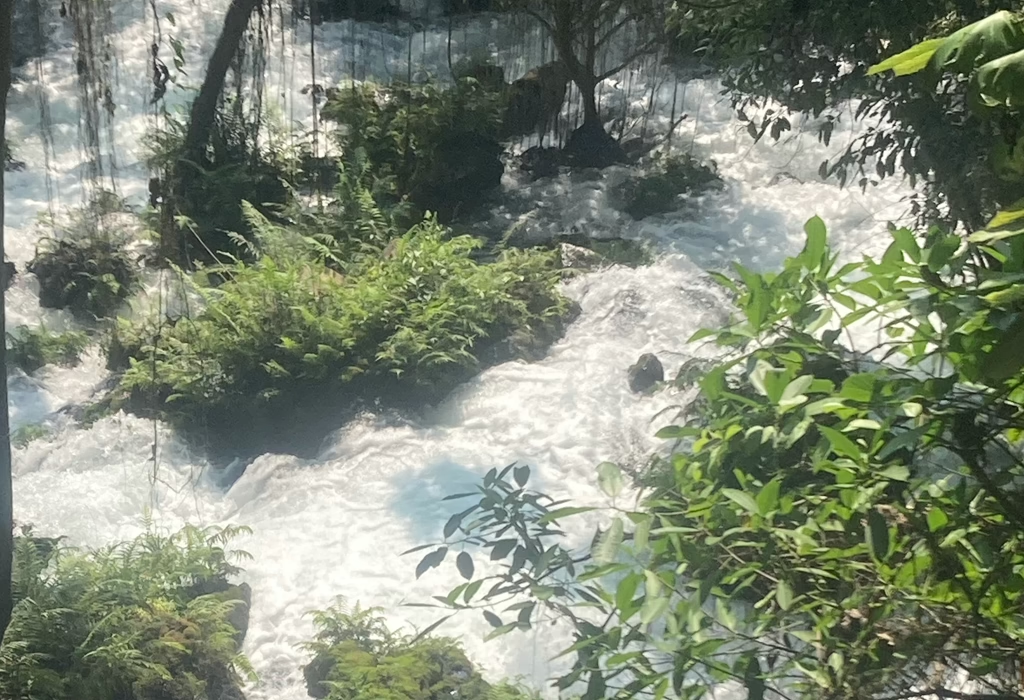
Meanwhile, in the Riviera Maya, the lushness of the lowland rainforest gifts us with flowers like the Balché and the Lotus in the cenotes, demonstrating that Mexico’s flowers adapt to every corner, from the highest mountains of the Yucatán Peninsula to the deepest aquifers.
Best Time to Visit Mexico for Flower Seasons
If you’re planning your trip around flower seasons, this quick guide will help you discover the best time and places to experience the most iconic flowers of Mexico. Each season transforms the country’s landscapes in a completely different way.
| Flower of Mexico | Best Time to Visit | Best Destinations in Mexico | Travel Experience |
| Jacaranda | Spring (March–April) | Mexico City (Reforma, Condesa), Puebla, Cuernavaca) | Perfect for urban photography lovers and scenic spring walks under purple canopies. |
| Cempasúchil (Marigold) | Fall (Late October–November) | Oaxaca, Michoacán (Pátzcuaro), Xochimilco (Mexico City) | A mystical and cultural experience connected to Day of the Dead traditions. |
| Poinsettia (Nochebuena) | Winter (December–January) | Taxco (Guerrero), Morelos, Central Mexico | Ideal for travelers seeking traditional and cozy holiday atmospheres. |
| Orchids | Year-round (Peak during rainy season) | Chiapas jungles, Riviera Maya, Vallarta Botanical Gardens | Perfect for adventurous travelers who enjoy hiking and discovering exotic nature. |
As you can see, the best time to experience the national flower of Mexico and other native blooms depends on the season you choose to travel. Planning around these flower cycles can completely transform your experience.
Where to Experience Mexico’s Floral Beauty?
Mexico City is surprisingly one of the best places for botanical tourism. You can’t say you’ve experienced the local flora without visiting:
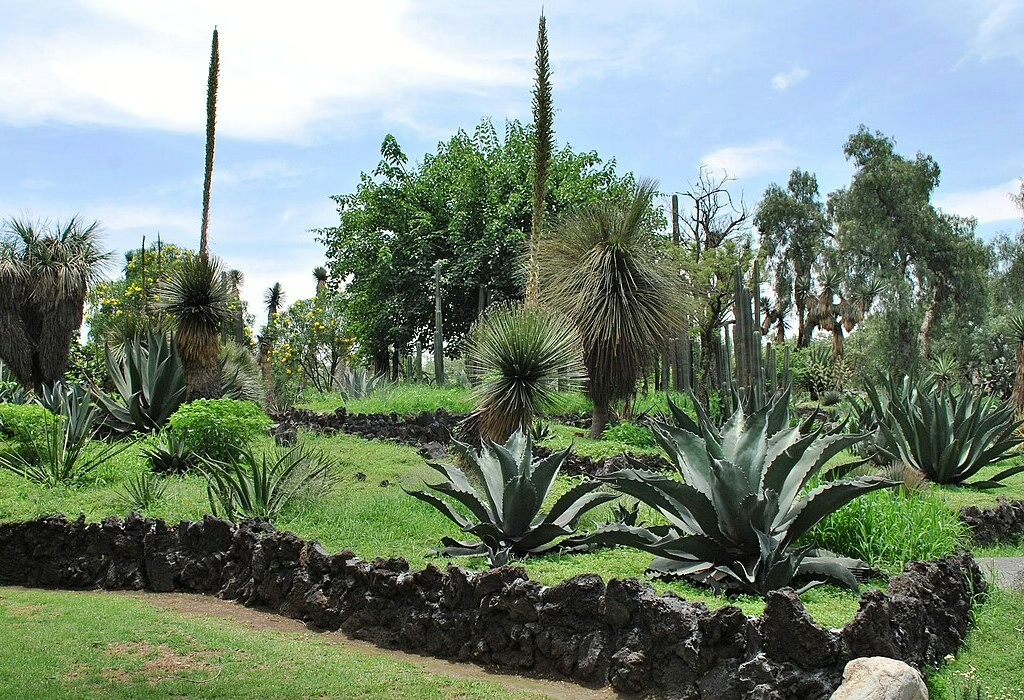
UNAM Botanical Garden:
A fascinating space that houses one of the most important collections of cacti and succulents in the world.
It’s ideal for seeing how the flowers of Mexico survive and thrive in rocky and volcanic environments. You’ll mainly find native Mexican plants, along with recreated ecosystems that showcase the country’s extraordinary biodiversity. For updated visiting hours, guided tours, and conservation projects, you can explore the official website of the UNAM Botanical Garden.
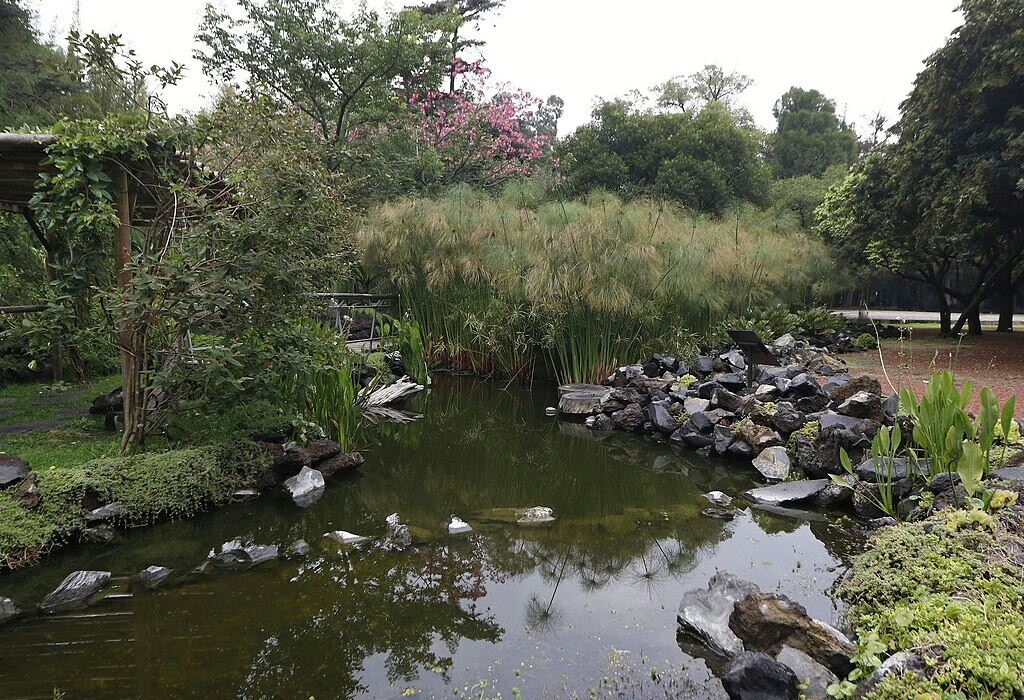
Chapultepec Forest Botanical Garden:
An oasis of peace amidst the chaos of the city. Its orchidarium and seasonal displays are a must-see for any nature photography enthusiast. Here you can find not only flowers of Mexico, but also pollinator gardens, a concept that seeks to preserve the native and endemic flora and fauna of Mexico.
Where to See Flowers outside Mexico City
If your adventure takes you outside the capital, there are two stops that will transform your perspective on Mexican biodiversity:
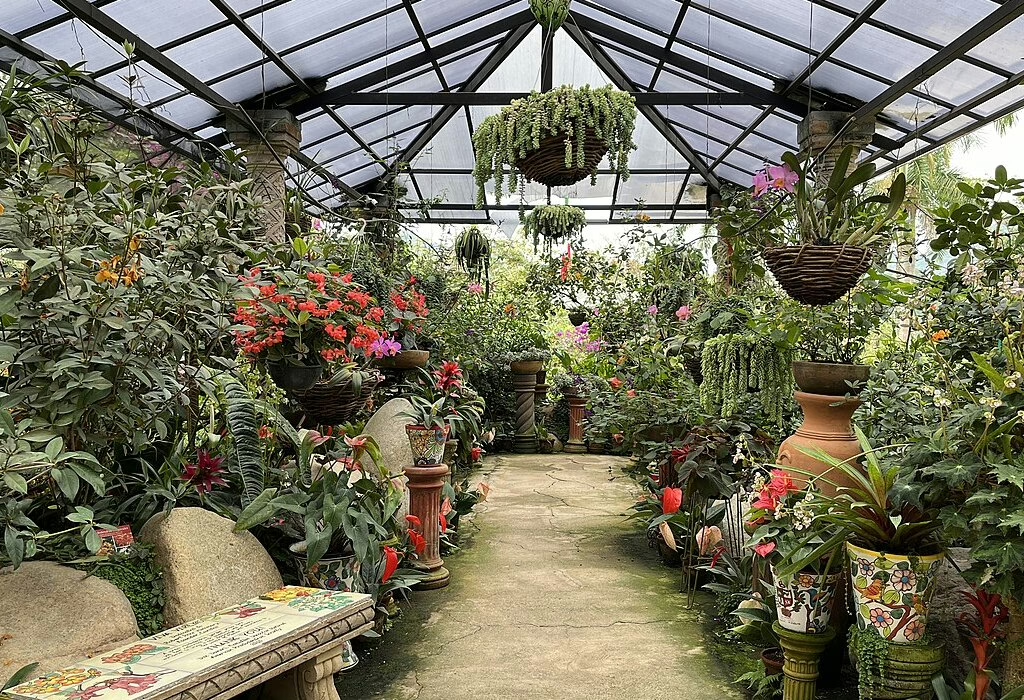
Vallarta Botanical Gardens (Jalisco):
Considered one of the most beautiful gardens in North America, this is where the jungle meets the ocean. You can stroll among tropical oaks and massive orchid collections, and it’s also an excellent spot for birdwatching while enjoying the fragrance of wildflowers. If you’re exploring the region, don’t miss our guide to the Marietas Islands and Hidden Beach near Puerto Vallarta, where Mexico’s natural beauty extends from lush botanical gardens to protected marine ecosystems.
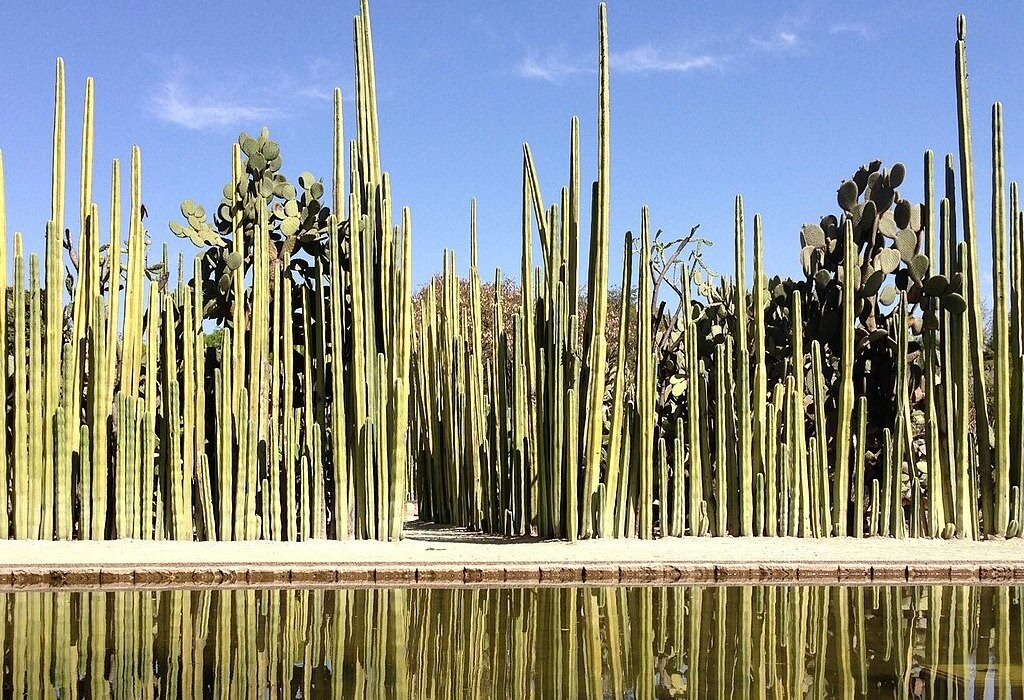
Oaxaca Ethnobotanical Garden:
Located in the former Santo Domingo convent, this garden tells the story of the relationship between indigenous peoples and plants. Here, each species has a cultural, medicinal, or culinary use. If you’re planning to explore more of the region beyond the city, check out our complete guide to Puerto Escondido, Oaxaca and discover how Oaxaca’s biodiversity extends from its historic gardens to its wild Pacific coastline.
| Botanical Garden | Location | Approximate Cost | What Travelers Shouldn’t Miss |
| UNAM Botanical Garden | Mexico City (Ciudad Universitaria) | Free entry | One of the world’s most important cactus and succulent collections set on volcanic rock landscapes. Ideal for understanding Mexico’s native ecosystems and high-altitude flora. |
| Chapultepec Forest Botanical Garden | Mexico City (Paseo de la Reforma area) | Free entry | The orchid collection and pollinator garden. A peaceful oasis in the heart of the city, perfect for nature photography and seasonal flower displays. |
| Vallarta Botanical Gardens | Puerto Vallarta, Jalisco | Approx. $200–$300 MXN | Tropical jungle trails, suspension bridges, and one of Mexico’s most impressive orchid collections. Excellent for birdwatching and immersive rainforest experiences. |
| Jardín Etnobotánico de Oaxaca | Oaxaca City (Former Santo Domingo Convent) | Approx. $50–$100 MXN (guided entry) | A cultural journey through indigenous plant knowledge, including native agaves and medicinal plants. Offers deep insight into Mexico’s botanical heritage. |
Visiting these botanical gardens allows travelers to experience Mexico’s floral diversity beyond the beaches — and, in some cases, even see the national flower of Mexico in bloom depending on the season.
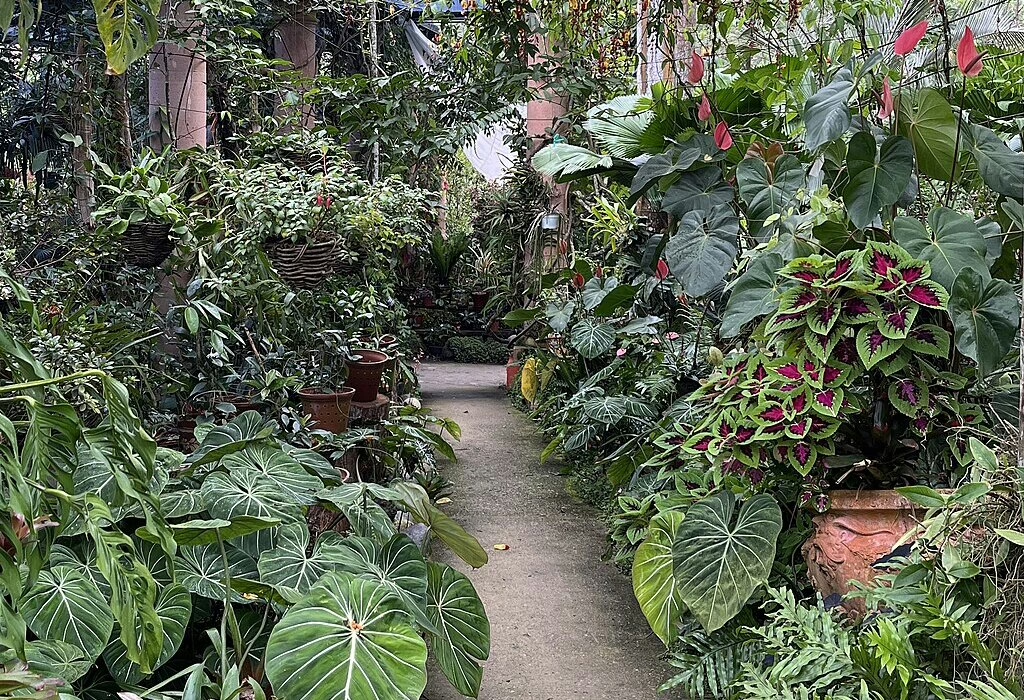
Travel tip: Jardines de México – A Floral Paradise
If you’re a true enthusiast of Mexico’s flowers and looking for a grand experience, you can’t miss Jardines de México, located in the state of Morelos (very close to Cuernavaca).
This isn’t your average botanical garden; it’s a 51-hectare theme park designed to leave you speechless. What makes it special for your itinerary is its division by style: it features a Japanese Garden, an Italian Garden, and, of course, a majestic Cactus Garden.
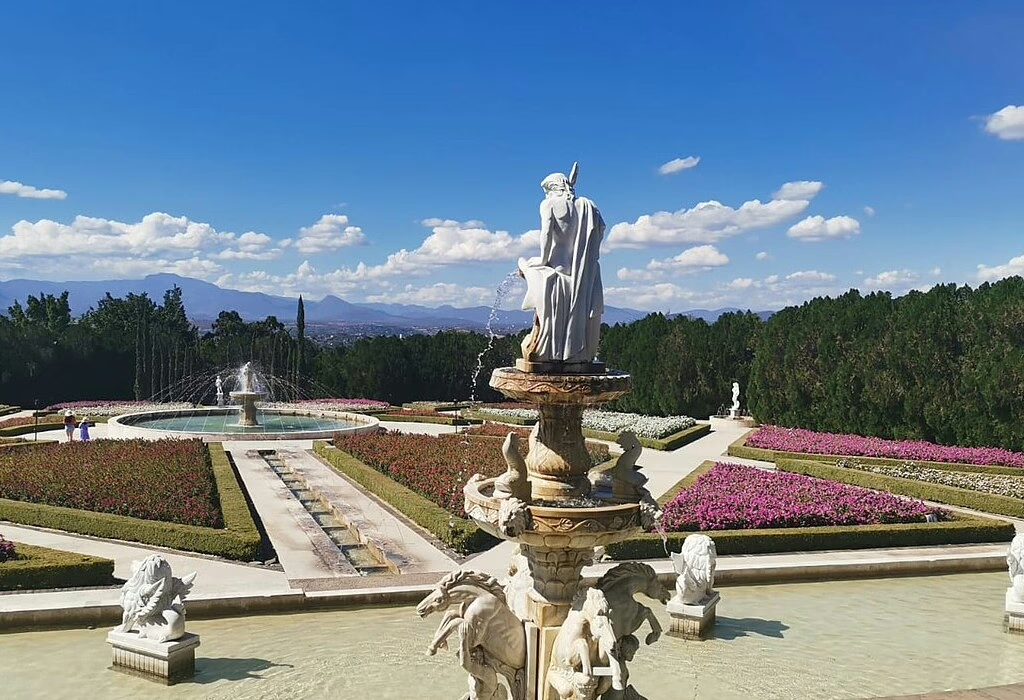
Why visit? It’s the ideal place to see massive displays of Mexico’s national flower during its themed festivals. Plus, its landscape design is one of the most impressive in Latin America. For updated events, seasonal festivals, and ticket information, you can visit the official website of Jardines de México.
Location: Mexico-Acapulco Highway km 129, Tehuixtla, Morelos.
Cost: Approximately $275 – $350 MXN (depending on the season and special events). It’s the perfect day trip from Mexico City for those who want to be surrounded by millions of flowers in one place.
FAQ About the National Flower of Mexico
What is Mexico’s national flower?
The national flower of Mexico is the dahlia (Dahlia pinnata). It was officially declared as such in 1963 because it originated in Mexico and has more than 40 varieties.
Is the marigold (cempasúchil) Mexico’s national flower?
No. Although the marigold is one of the most representative flowers of the country during the Day of the Dead, Mexico’s national flower is the dahlia. The marigold is an essential element in the offerings placed during this tradition.
When is the best time to see Mexico’s national flower?
The dahlia blooms mainly between July and September. August is an ideal month, as August 4th is National Dahlia Day.
Where can travelers see dahlias in Mexico? To see their splendor, we suggest visiting the Cuemanco Flower Market or the Madre Selva Flower Market, as seeing them on your walks around the city will be difficult.
What does Mexico’s national flower symbolize?
The dahlia symbolizes resilience, beauty, diversity, and national pride. As a species native to the country, it represents Mexico’s natural and cultural richness.
Does the dahlia only exist in Mexico?
Although dahlias are now cultivated worldwide, Mexico is their center of origin. There are more than 40 endemic species that grow naturally only in Mexican territory.
Is it worth planning a trip to Mexico around the flower season?
Yes. If there’s a specific place, monument, or festival you want to enjoy, we’re sure that wherever you go, you just need to look around to appreciate the surrounding vegetation.
Mexico offers unique floral experiences year-round: jacarandas in spring (March-April), dahlias in summer, marigolds in October-November, and poinsettias in December. Traveling according to the season allows you to experience different festivities and landscapes.
Conclusion
Mexico is much more than its monuments; it is a living organism that breathes through its valleys and jungles. Whether you seek the spiritual meaning behind Mexico’s national flower or simply want to lose yourself in the colors of a local market, the flora of this country offers you an authentic connection with the land.
So, on your next visit, don’t forget to look down, to the sides, and up into the treetops. The landscape has much to tell you.