
 IT
IT  EN
EN  ES
ES  FR
FR  PT
PT  DE
DE 

Indice dei contenuti:
- Introduzione
- Perché il Messico è un paradiso per gli amanti dei fiori?✨
- Qual è il fiore nazionale del Messico e perché è importante?
- Ecco la Dalia: Il fiore nazionale ufficiale del Messico🌺
- I fiori iconici del Messico che vedrete durante il viaggio👀
- Calendula: Il fiore del Dia de Muertos 🏵️
- Poinsettia: Il fiore invernale del Messico🪴
- Jacarande: La stagione viola a Città del Messico🪻
- Orchidee del Messico meridionale🌸
- Il momento migliore per visitare il Messico per le stagioni dei fiori 😍
- Dove vivere la bellezza floreale del Messico?📍
- Dove vedere i fiori fuori Città del Messico🗺️
- Suggerimento di viaggio: Jardines de México - Un paradiso floreale💐
- FAQ sul Fiore Nazionale del Messico🤔
- Conclusione
Introduzione
Vi invitiamo a godervi il seguente video. In esso vedrete un viaggio visivo attraverso le specie più spettacolari che popolano Mexios.
Poi scopriremo i fiori del Messico e vi forniremo la mappa definitiva con i migliori giardini botanici e le stagioni.
Perché il Messico è un paradiso per gli amanti dei fiori?
Il Messico concentra nel suo territorio un gran numero di specie animali e vegetali grazie alla grande diversità degli ecosistemi. In questo caso, i fiori del Messico sono i protagonisti di questo spettacolo visivo che cambia man mano che si viaggia.
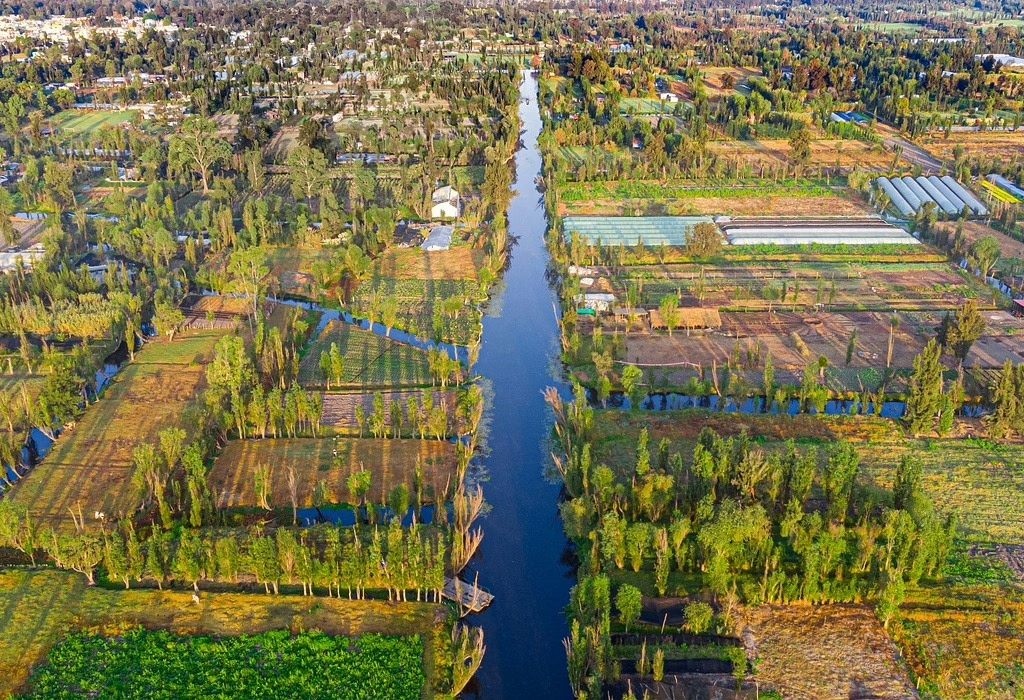
Dai paesaggi desertici alle giungle tropicali
Il Messico è un paradiso per i viaggiatori amanti della natura perché all'interno dello stesso territorio convivono ecosistemi diversi, come ad esempio:
- Deserti con cactus giganti.
- Foreste temperate di pini e querce.
- Foreste pluviali tropicali.
- Foreste di nuvole.
- Ecosistemi costieri.
- Zone vulcaniche di alta quota.
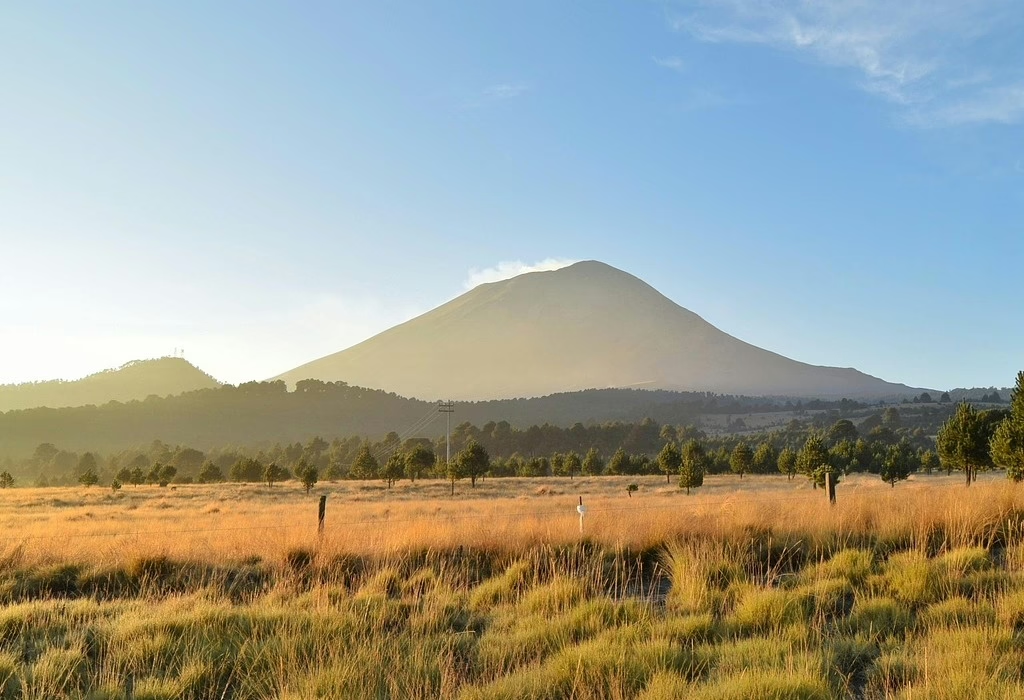
Un mosaico di climi da vivere in un unico viaggio
Il Messico beneficia di quattro stagioni nelle regioni montuose, mentre nelle zone tropicali le stagioni si dividono in “secche” e “piovose”.”
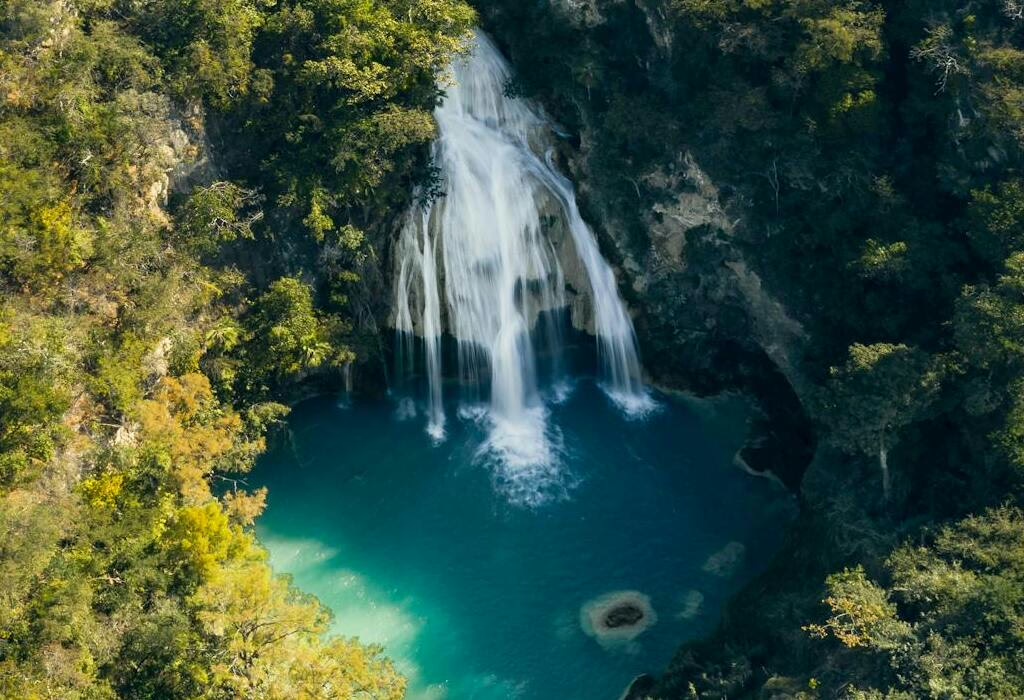
Dai rituali ai festival: I fiori del Messico
I fiori del Messico non sono solo un dato scientifico o una statistica sulla biodiversità: sono l'anima della cultura messicana. Se prestate attenzione durante i vostri viaggi in Messico, noterete che i fiori sono intessuti nel tessuto stesso di ogni Stato che visitate. Non si tratta di semplici decorazioni, ma di simboli della storia che sono sopravvissuti al passare dei secoli.
Fiori del Messico in Cultura e Viaggi
Per le civiltà preispaniche, la botanica era una scienza sacra. Nei rituali aztechi, i fiori non solo adornavano i templi, ma erano anche offerte viventi. Si credeva che l'aroma dei fiori fosse l'unica cosa in grado di placare gli dei e rallegrare i cuori dei guerrieri. Se siete curiosi di conoscere il mondo spirituale in cui sono nate queste tradizioni, esplorate il nostro sito Guida rapida alle piramidi azteche messicane e alla loro storia per comprendere gli spazi cerimoniali in cui i fiori svolgevano un ruolo così essenziale.
Senza dubbio, le civiltà preispaniche avevano una profonda conoscenza delle proprietà medicinali di ogni petalo, radice e stelo, una saggezza che si può ancora trovare nei mercati tradizionali, dove i guaritori offrono rimedi floreali per quasi tutti i disturbi dell'anima o del corpo.
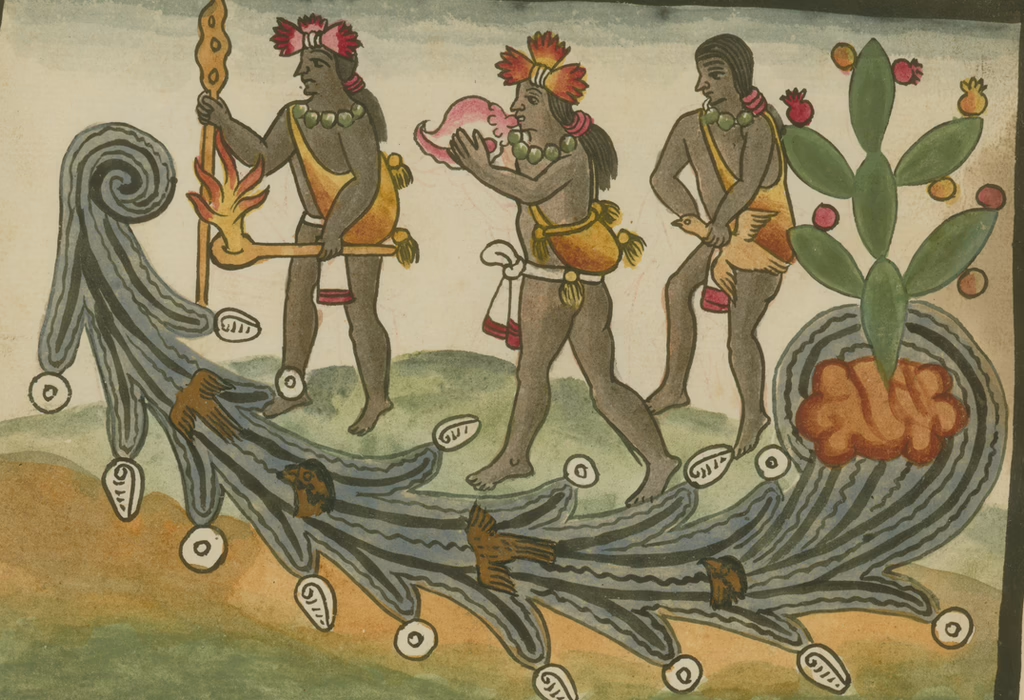
Ancora oggi, nelle sue festività e tradizioni, la presenza dei fiori è preponderante. Si pensi all'arancione intenso della calendula durante il Dia de Muertos, che tappezza i cimiteri per ricordare i defunti, o al rosso vibrante delle stelle di Natale che annunciano l'inverno. I fiori in Messico scandiscono il ritmo del calendario sociale e religioso; ci dicono quando è il momento di festeggiare, quando è il momento di ricordare e quando è il momento di ringraziare la terra per la sua abbondanza.
Per questo motivo, in questo articolo vi spiegheremo come godervi il Messico da una nuova prospettiva, in modo che la prossima volta che passeggerete in un'area turistica, assaggerete un piatto messicano o parteciperete a un festival, vivrete un'esperienza unica che vi farà capire perché i fiori del Messico sono il cuore vibrante di questo Paese.
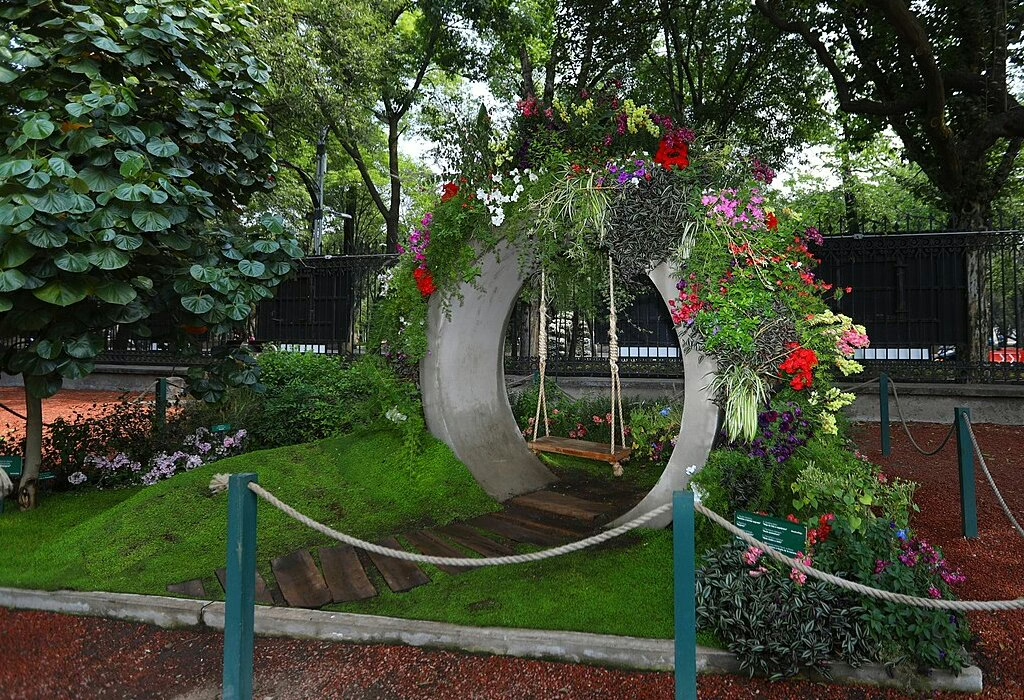
Qual è il fiore nazionale del Messico e perché è importante?
La risposta è chiara: la dalia. La dalia è stata scelta perché:
- È originaria del Messico.
- Possiede un'enorme diversità genetica.
- È documentato nella storia preispanica.
- Rappresenta la forza e l'adattabilità.
- Simboleggia l'identità nazionale.
Da allora, il 4 agosto si celebra la Giornata nazionale della Dalia, una data che promuove la conservazione e l'apprezzamento di questo fiore.
Quindi, se siete viaggiatori internazionali che esplorano i principali mercati dei fiori o i giardini botanici del Messico centrale, siamo sicuri che rimarrete affascinati dalla perfetta geometria di questo fiore. Dovete sapere che molto prima di essere conosciuta a livello internazionale, la dalia era già coltivata dagli Aztechi (messicani).
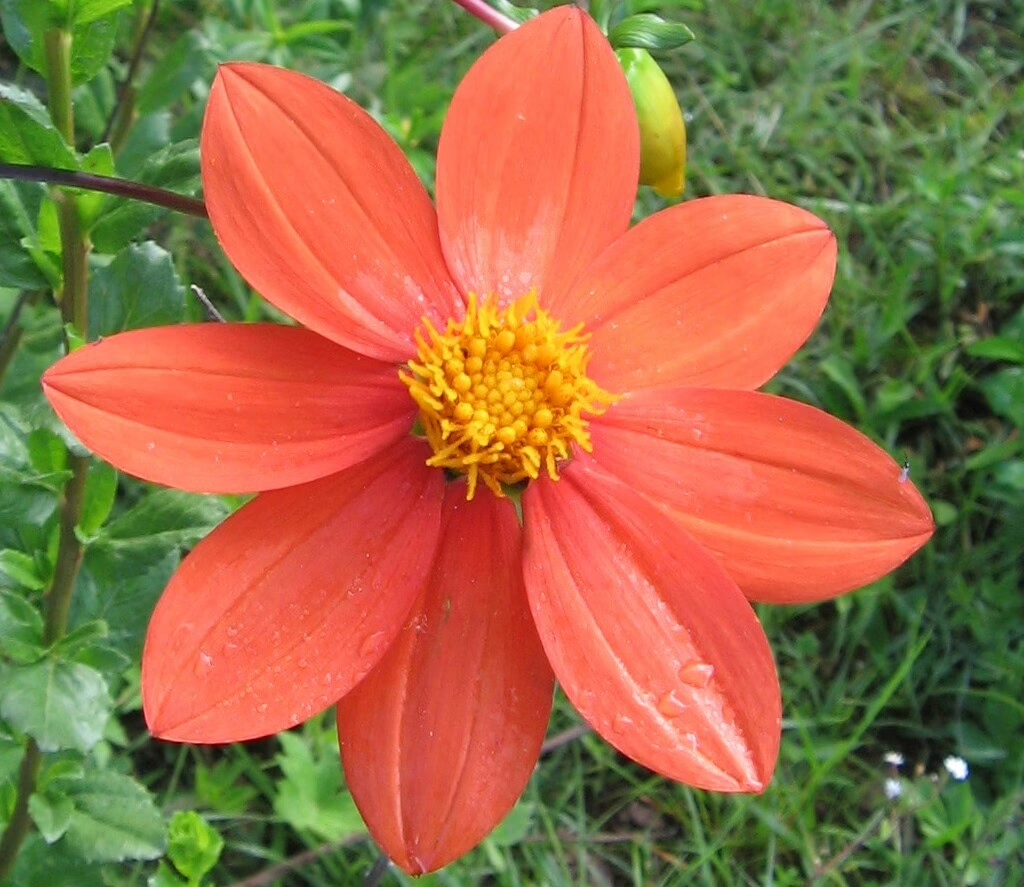
Ecco la Dalia: Il fiore nazionale ufficiale del Messico
Sapevate che non esiste un solo tipo di dalia? Uno dei fatti più sorprendenti è che esistono più di 40 specie di dalie endemiche del Messico. Ciò significa che queste varietà specifiche non crescono naturalmente in nessun'altra parte del mondo.
Dalla piccola Dahlia coccinea con i suoi semplici petali rossi all'imponente Dahlia imperialis (o Dahlia arborea), che può raggiungere diversi metri di altezza, questa famiglia di fiori è una testimonianza dell'evoluzione adattativa della nostra terra. È, letteralmente, un capolavoro della natura messicana che ha viaggiato dalle nostre valli per adornare i giardini più lussuosi d'Europa e del mondo.
Curiosità: non esistono dalie blu.
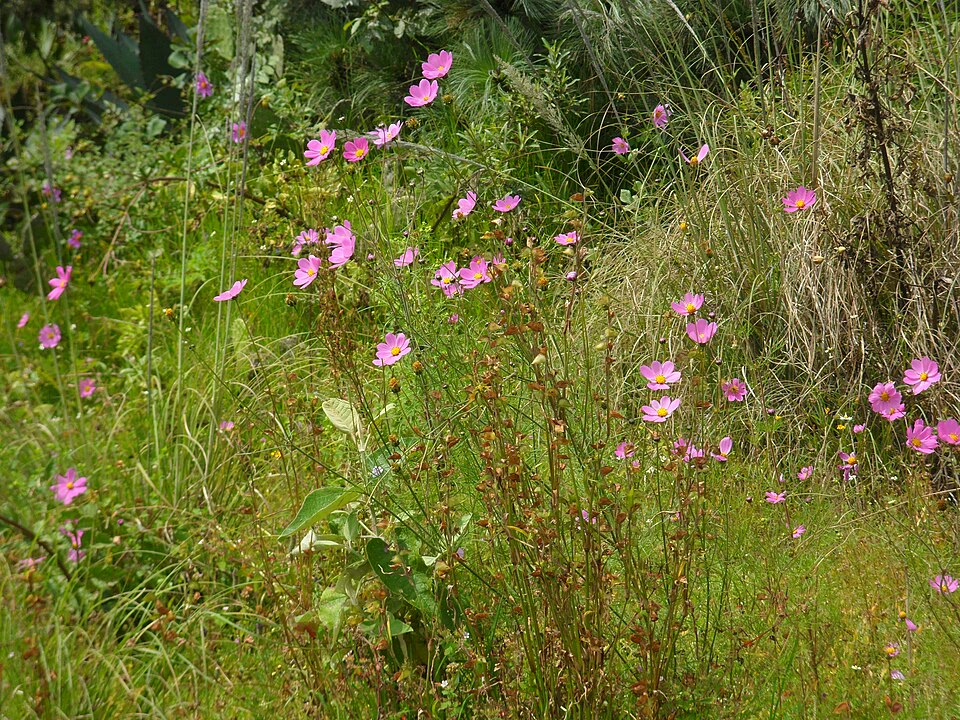
Come le civiltà preispaniche usavano la Dalia
Per capire l'importanza dei fiori messicani, dobbiamo guardare indietro, molto prima dell'arrivo degli spagnoli. Gli Aztechi erano maestri di botanica e chiamavano la dalia Acocoxóchitl, che in Nahuatl significa “stelo d'acqua” o “tubo d'acqua”.”
Ma per loro non era solo una bella faccia nel giardino dell'imperatore. Gli Aztechi erano sia pratici che spirituali:
- Medicina: Usavano i tuberi della pianta per trattare infezioni e problemi digestivi.
- Alimentazione: i suoi petali e le sue radici facevano parte della dieta preispanica. Erano una fonte di energia e nutrimento che oggi viene riscoperta dalla cucina messicana.
- Scienza: Gli steli cavi venivano usati anche per trasportare l'acqua o come strumenti rudimentali.
Quando si cammina nei siti archeologici o nelle attuali comunità indigene, vedere la Dalia è come connettersi direttamente con quella saggezza ancestrale che intendeva la natura come medicina, cucina e arte allo stesso tempo.
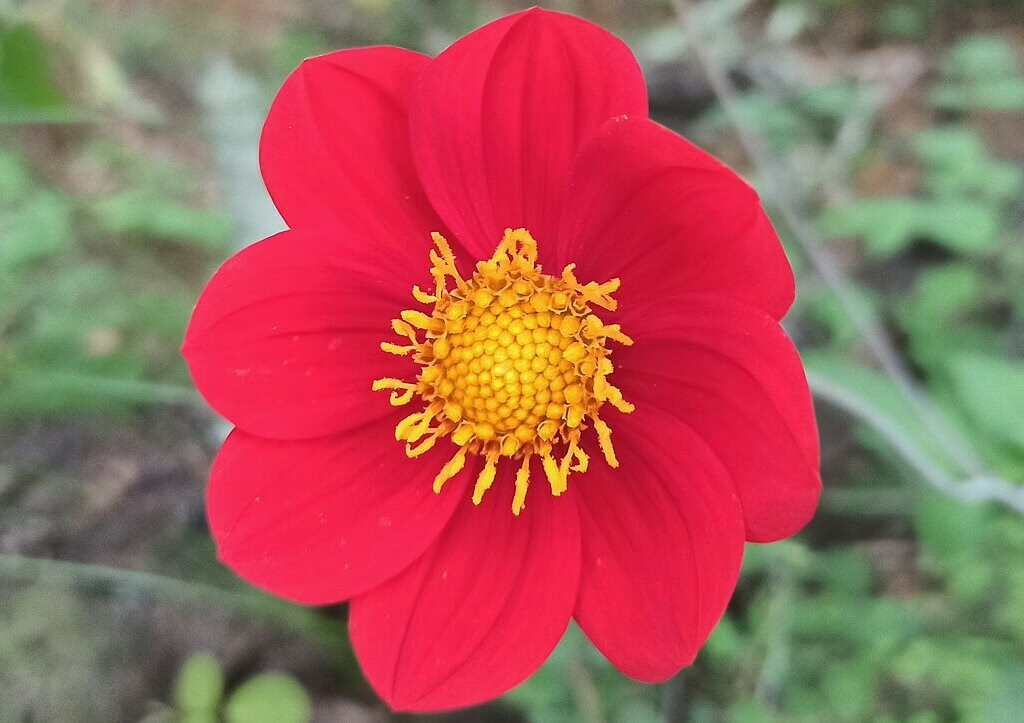
I fiori iconici del Messico che vedrete durante il viaggio
Per un viaggiatore internazionale, il Messico è un paesaggio che cambia colore a seconda del mese che si sceglie di visitare. Sebbene il fiore nazionale messicano abbia un posto unico, il calendario è segnato da altre stelle che trasformano intere città e paesaggi naturali in scenari fantastici. Se state programmando il vostro prossimo viaggio in Messico, questi sono i fiori del Messico che potete aspettarvi di vedere e che senza dubbio definiranno il vostro album fotografico e i vostri ricordi.
Calendula: Il fiore del Dia de Muertos
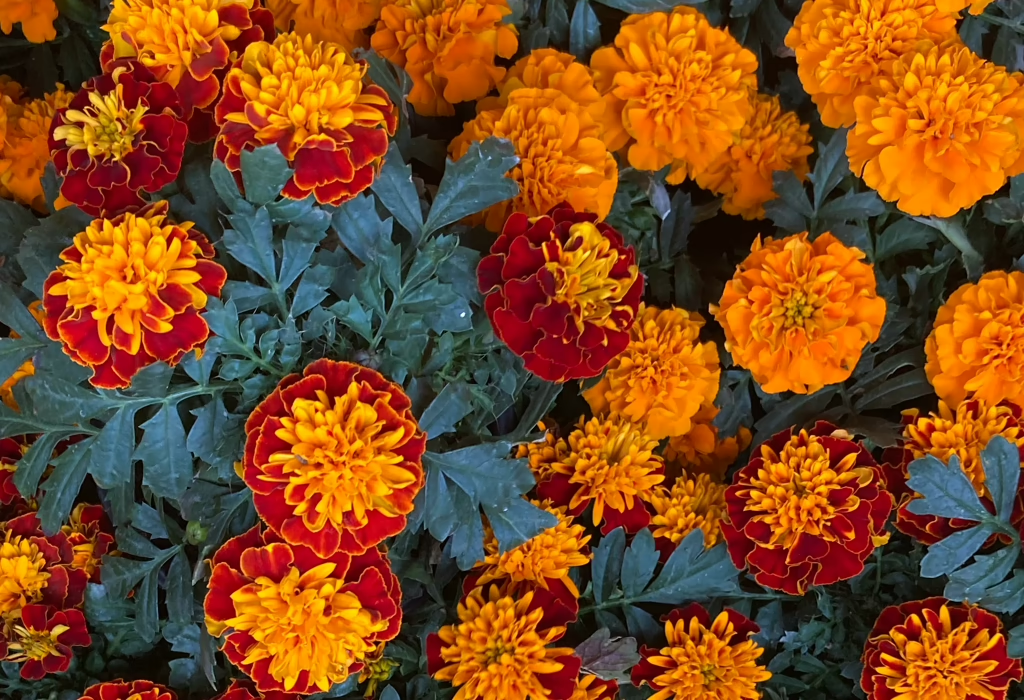
Questo fiore del Messico è uno dei più rappresentativi di una delle celebrazioni internazionali più famose del Paese: Día de Muertos. Secondo questa tradizione, questo fiore non è solo una pianta decorativa, ma è il ponte spirituale tra la vita e la morte. Il suo nome deriva dalla Náhuatl parola Cempohualxóchitl, Il suo aroma intenso è, secondo la tradizione, quello che guida le anime a casa durante il periodo di riposo. Día de Muertos.
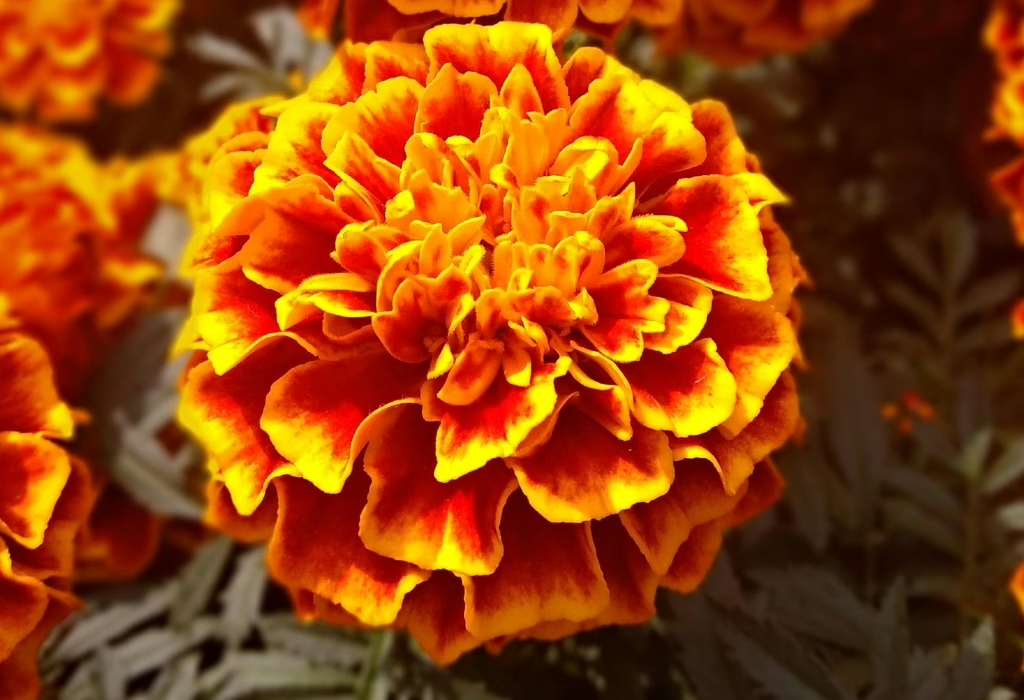
Stagione: Per vivere questa esperienza, è necessario visitare il Messico tra la fine di ottobre e l'inizio di novembre, perché è proprio questo il periodo in cui i mercati, le piazze e le aree turistiche si riempiono di questo colore per celebrare questa tradizione.
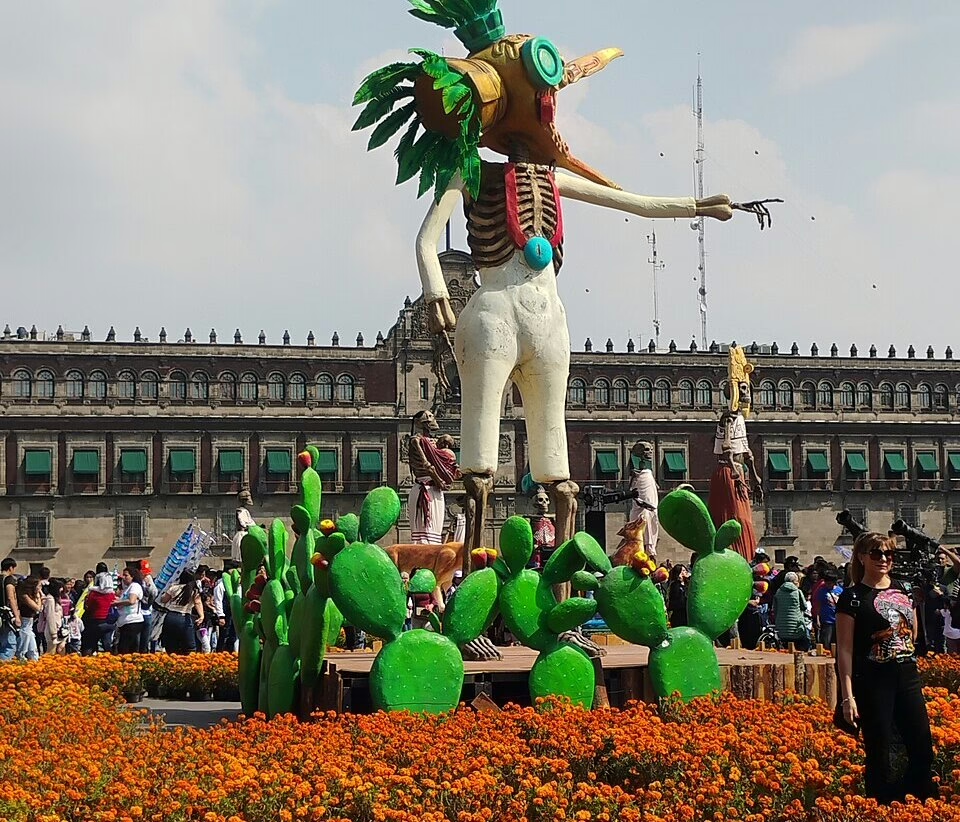
Il posto migliore da vedere: Se volete vedere gli altari più impressionanti, Oaxaca, Michoacán (soprattutto intorno al lago Pátzcuaro), e Città del Messico, le cui parate e le chinampas di Xochimilco ricoperta di fiori vi lascerà senza fiato. È l'evento culturale più potente in cui i fiori del Messico sono i protagonisti assoluti. Se volete saperne di più, consultate il nostro articolo Dia de Muertos 2026: la guida definitiva 2026, dove troverete ulteriori informazioni per prepararvi alla visita.
Tuttavia, pur essendo un fiore profondamente simbolico, non è il fiore nazionale del Messico.
Stella di Natale: Il fiore invernale del Messico
Molti viaggiatori internazionali sono sorpresi di scoprire che il famoso “Fiore di Natale” o Stella di Natale che adorna i salotti a dicembre è in realtà un dono del Messico al mondo. La Stella di Natale è l'icona dell'inverno messicano, ma vederla nel suo habitat naturale è un'esperienza completamente diversa dal vederla in un piccolo vaso del supermercato.
Allo stato naturale, la Stella di Natale è un arbusto robusto che cresce spontaneamente nelle regioni tropicali e temperate del Messico. È stata Taxco, una città designata Pueblo Mágico (Città Magica), che l'ha resa famosa a livello internazionale, anche se per gli Aztechi era conosciuta come Cuetlaxóchitl e simboleggiava la purezza e la nuova vita. (Se volete sapere cosa intendiamo per Pueblo Mágico, abbiamo un blog che lo spiega).
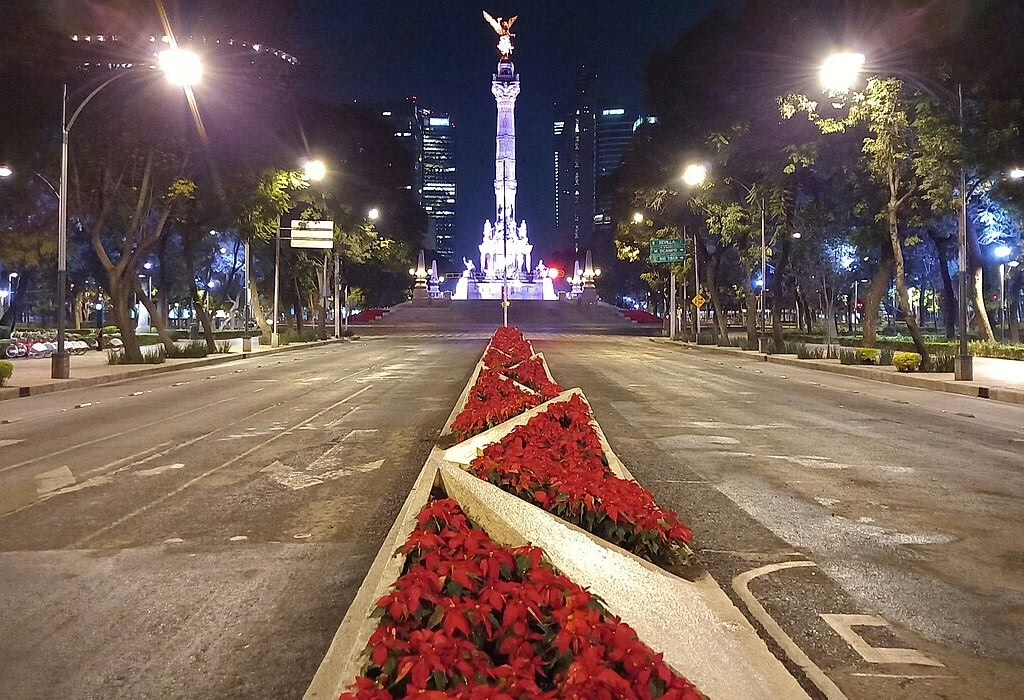
Se esplorate Città del Messico, noterete che i cespugli di poinsettia iniziano a colorare la città, sia che li troviate lungo i viali o sulle case. Questo ci ricorda che, anche dopo il fiore nazionale del Messico in estate, l'inverno messicano ha la sua stella.
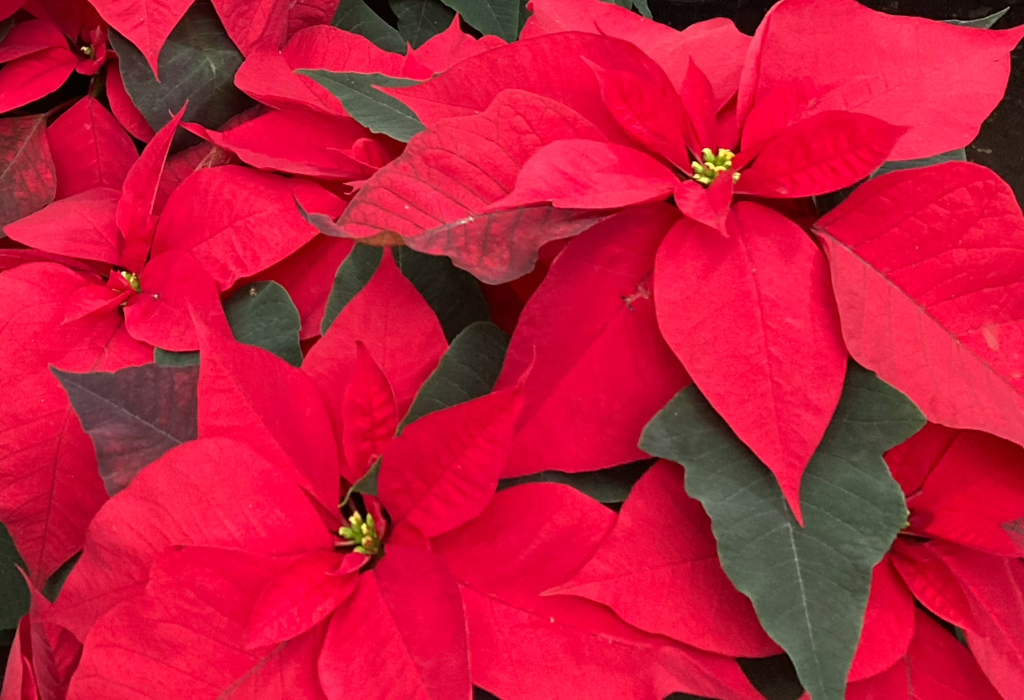
Sebbene molti lo considerino un fiore molto rappresentativo del Messico, non detiene ufficialmente il titolo di fiore nazionale.
Stagione: Il momento migliore è a dicembre, quando i mercati delle piante sono inondati di rosso e offrono stelle di Natale di tutte le dimensioni. Anche se il rosso è il colore principale, si possono trovare anche varietà bianche e maculate.
Il posto migliore per vedere: Poiché è la stagione delle feste, l'intera città si tinge di rosso con questa pianta: ovunque andiate troverete una Stella di Natale, nei centri commerciali, nei negozi o nei mercati di piante.
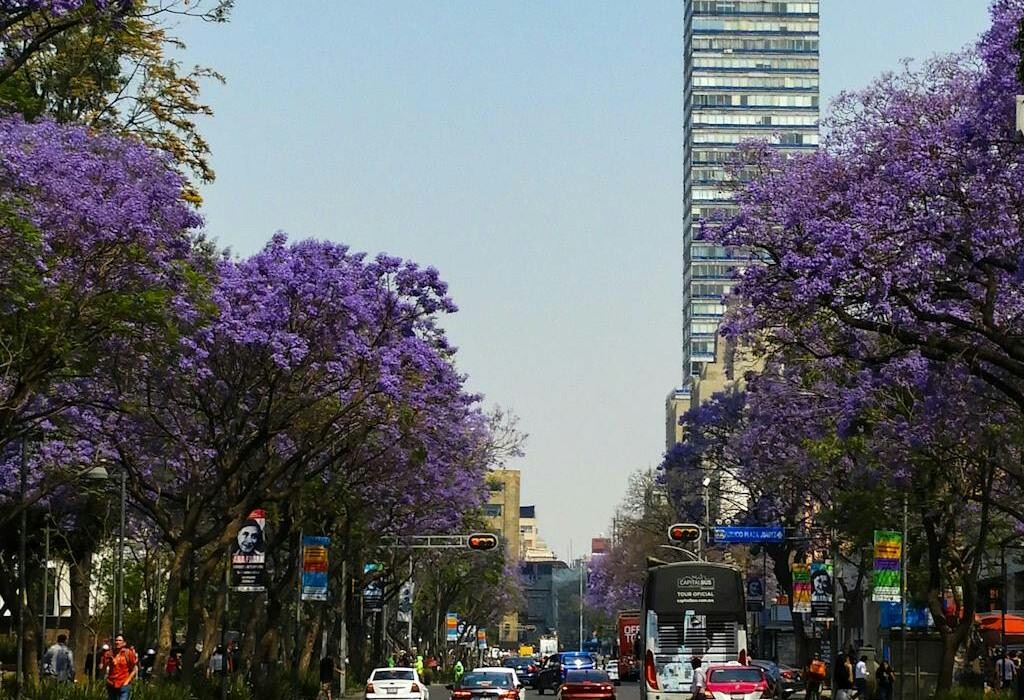
Jacarande: La stagione viola a Città del Messico
Sebbene non siano originari del Messico (sono arrivati dal Sud America e dal Giappone decenni fa), si sono adattati così bene a Città del Messico da essere ormai parte della sua identità visiva. Per gli amanti della fotografia, questo è il momento “Instagrammable” per eccellenza.
Il contrasto tra l'azzurro del cielo primaverile e il viola elettrico degli alberi crea un paesaggio che sembra uscito da un dipinto. È la stagione ideale per un tour a piedi del centro storico della capitale, dove l'aria è fresca e il paesaggio diventa morbido e romantico”.”
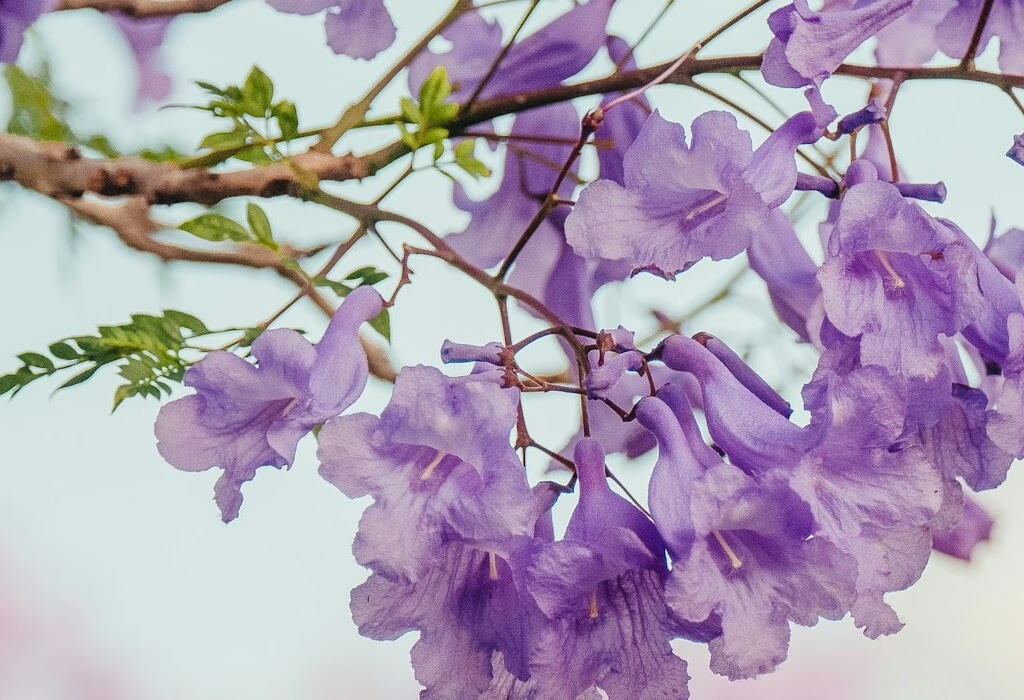
Stagione: Se siete più amanti della primavera e amate scattare foto durante i vostri viaggi, marzo è il mese giusto per visitare il Messico. In questa stagione, Città del Messico subisce una trasformazione surreale: le jacarande fioriscono contemporaneamente, creando un tappeto di lilla e viola.
Vale la pena notare che le jacarande non sono il fiore nazionale del Messico, ma sono diventate parte dell'immaginario collettivo del Paese.
Il posto migliore da vedere: I viali principali dove si possono vedere sono il Paseo de la Reforma e il quartiere di Condesa.
Se avete intenzione di esplorare l'area a piedi, date un'occhiata al nostro guida completa di Roma e Condesa a Città del Messico, dove le strade alberate e l'architettura art déco creano una delle esperienze urbane più affascinanti della capitale.
Orchidee del Messico meridionale
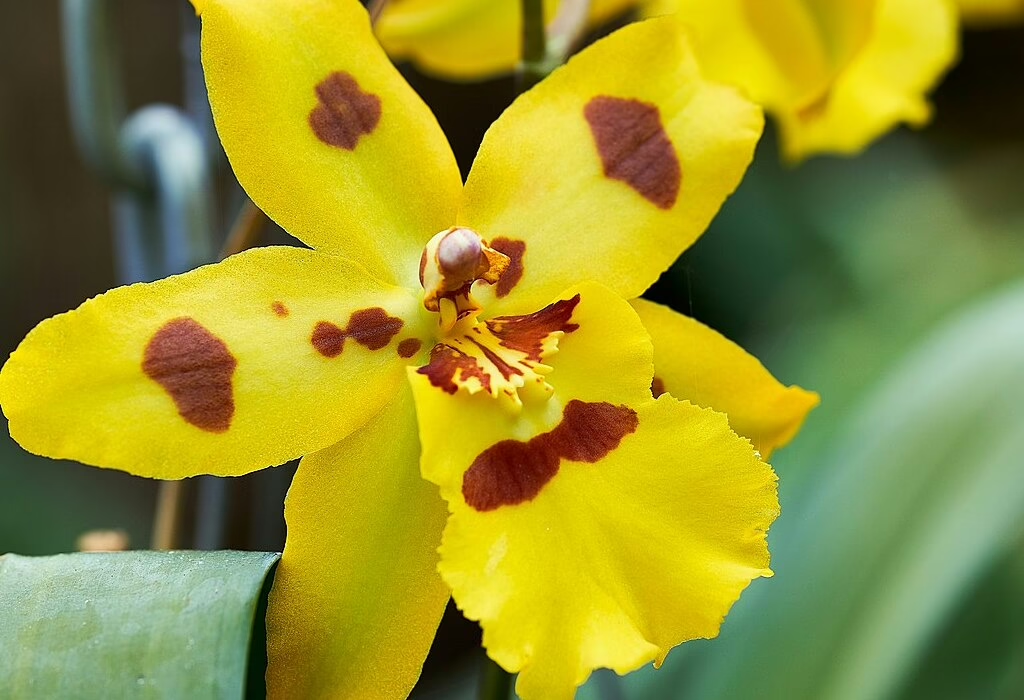
Per i veri avventurieri che preferiscono il suono delle scimmie urlatrici e il profumo della terra umida, il Messico meridionale offre uno spettacolo floreale completamente diverso. Scendendo nelle giungle di Chiapas e il Riviera Maya, I fiori cessano di essere arbusti da giardino e diventano gioielli nascosti tra gli alberi.
Qui le orchidee regnano sovrane. Il Messico vanta più di 1.200 specie di orchidee, molte delle quali endemiche delle umide regioni meridionali. In Chiapas si possono trovare specie con forme che ricordano gli insetti, che crescono in paesaggi dove natura e spiritualità si intrecciano. Se volete sperimentare in prima persona questo legame, scoprite le tradizioni mistiche di San Juan Chamula in Chiapas, dove le credenze ancestrali e gli elementi naturali modellano ancora la vita quotidiana.
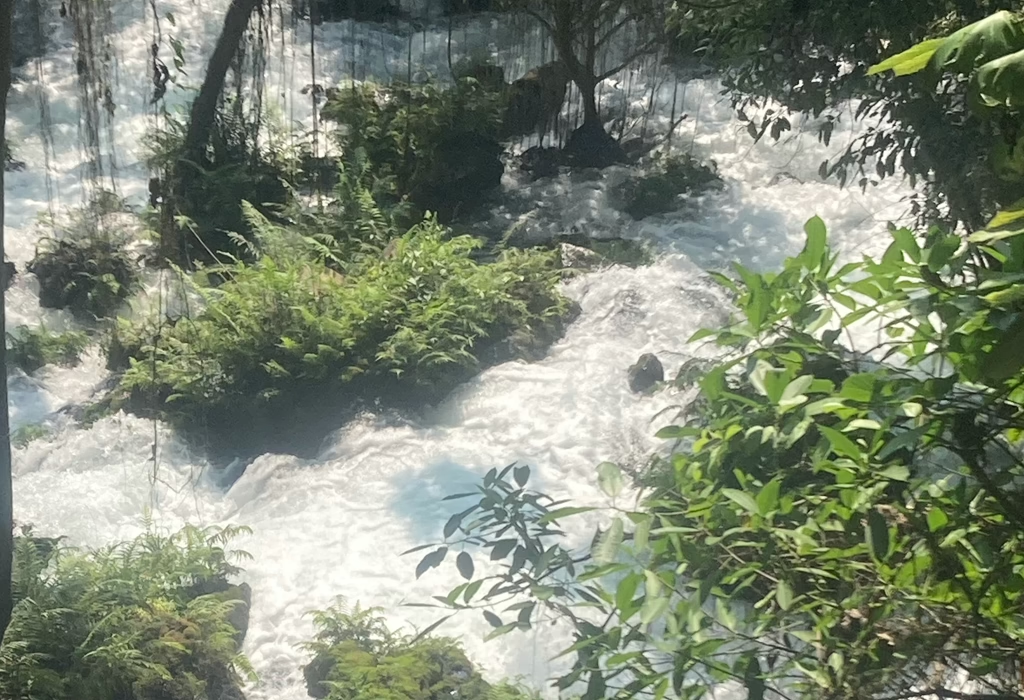
Nel frattempo, nel Riviera Maya, La rigogliosità della foresta pluviale di pianura ci regala fiori come il Balché e il Loto nei cenotes, a dimostrazione del fatto che i fiori del Messico si adattano ad ogni angolo, dalle montagne più alte della Penisola dello Yucatán alle falde acquifere più profonde.
Il momento migliore per visitare il Messico per le stagioni dei fiori
Se state pianificando il vostro viaggio in base alle stagioni dei fiori, questa rapida guida vi aiuterà a scoprire il momento e i luoghi migliori per sperimentare i fiori più iconici del Messico. Ogni stagione trasforma i paesaggi del Paese in modo completamente diverso.
| Fiore del Messico | Il momento migliore per visitarlo | Le migliori destinazioni in Messico | Esperienza di viaggio |
| Jacaranda | Primavera (marzo-aprile) | Città del Messico (Reforma, Condesa), Puebla, Cuernavaca) | Perfetto per gli amanti della fotografia urbana e delle passeggiate primaverili sotto le chiome viola. |
| Cempasúchil (Calendula) | Autunno (fine ottobre-novembre) | Oaxaca, Michoacán (Pátzcuaro), Xochimilco (Città del Messico) | Un'esperienza mistica e culturale legata alle tradizioni del Giorno dei Morti. |
| Stella di Natale (Nochebuena) | Inverno (dicembre-gennaio) | Taxco (Guerrero), Morelos, Messico centrale | Ideale per i viaggiatori in cerca di atmosfere tradizionali e accoglienti. |
| Orchidee | Tutto l'anno (picco durante la stagione delle piogge) | Chiapas giungle, Riviera Maya, Vallarta Giardini botanici | Perfetto per i viaggiatori avventurosi che amano le escursioni e la scoperta della natura esotica. |
Come si può vedere, il momento migliore per ammirare il fiore nazionale del Messico e altre fioriture autoctone dipende dalla stagione in cui si sceglie di viaggiare. La pianificazione di questi cicli floreali può trasformare completamente la vostra esperienza.
Dove vivere la bellezza floreale del Messico?
Città del Messico è sorprendentemente uno dei luoghi migliori per il turismo botanico. Non si può dire di aver conosciuto la flora locale senza averla visitata:
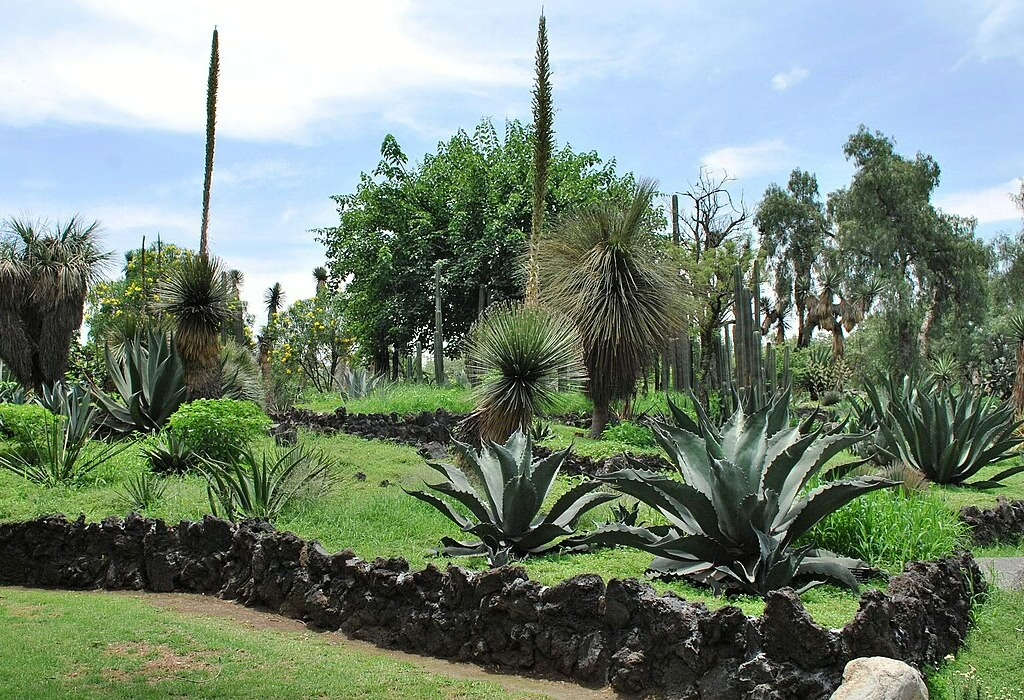
UNAM Giardino botanico:
Uno spazio affascinante che ospita una delle più importanti collezioni di cactus e piante grasse del mondo.
È ideale per vedere come i fiori del Messico sopravvivono e prosperano in ambienti rocciosi e vulcanici. Vi si trovano soprattutto piante autoctone messicane, oltre a ecosistemi ricreati che mostrano la straordinaria biodiversità del Paese. Per conoscere gli orari di visita aggiornati, le visite guidate e i progetti di conservazione, è possibile consultare il sito web ufficiale dell'associazione. Giardino botanico dell'UNAM.
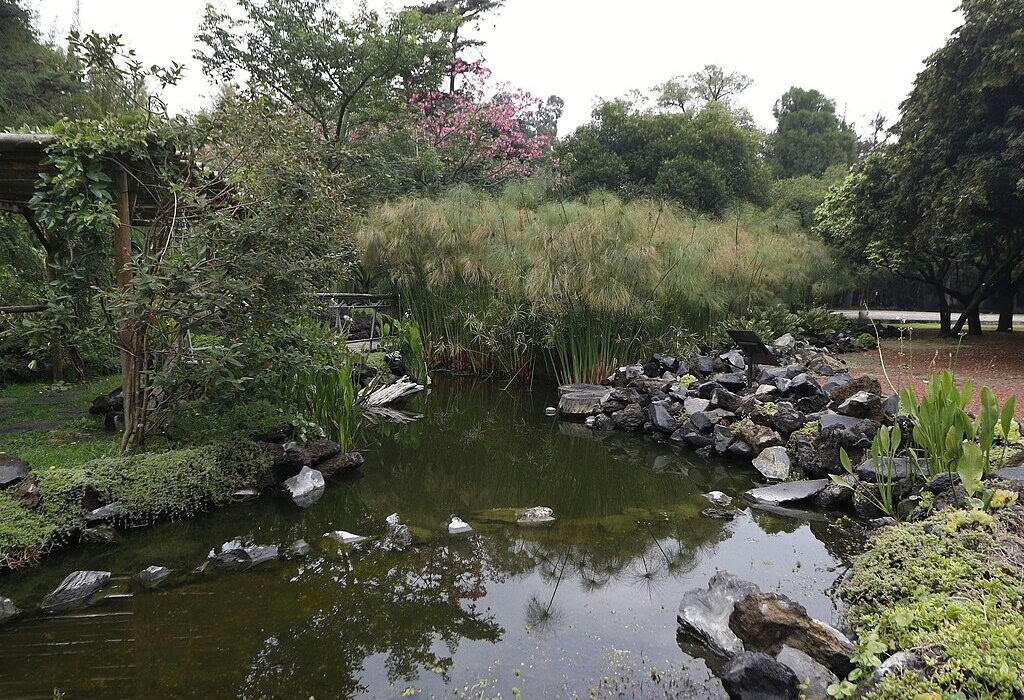
Chapultepec Giardino botanico della foresta:
Un'oasi di pace nel caos della città. Il suo orchidario e le sue esposizioni stagionali sono una tappa obbligata per tutti gli appassionati di fotografia naturalistica. Qui non si trovano solo fiori del Messico, ma anche giardini impollinatori, un concetto che mira a preservare la flora e la fauna autoctone ed endemiche del Messico.
Dove vedere i fiori fuori Città del Messico
Se la vostra avventura vi porta fuori dalla capitale, ci sono due tappe che trasformeranno la vostra prospettiva sulla biodiversità messicana:
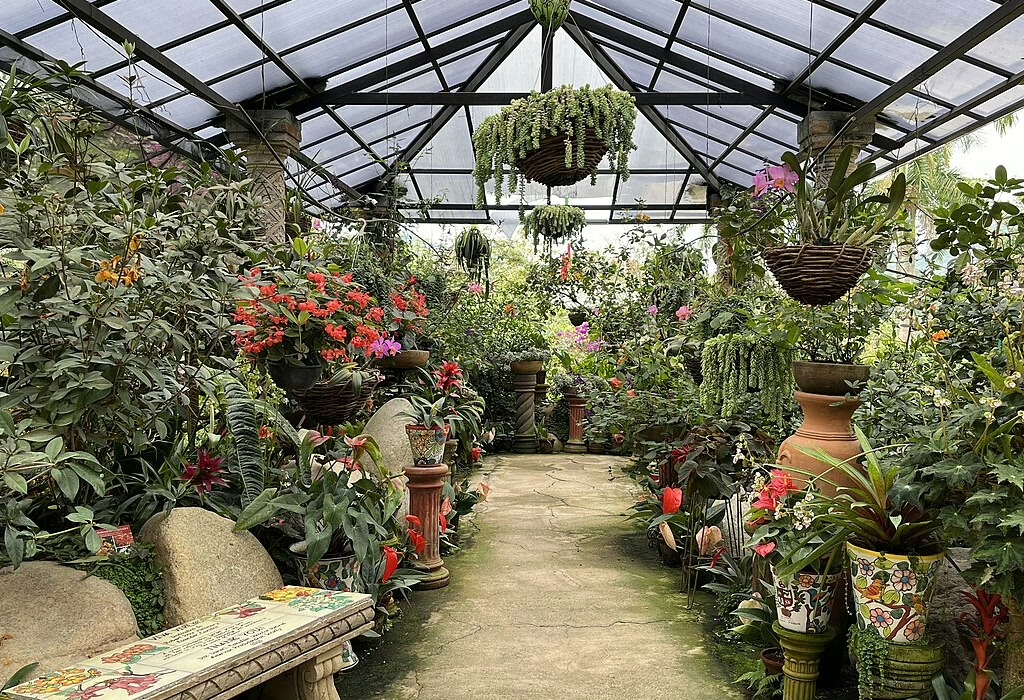
Giardino Botanico di Vallarta (Jalisco):
Considerato uno dei più bei giardini del Nord America, è il luogo in cui la giungla incontra l'oceano. Si può passeggiare tra querce tropicali e imponenti collezioni di orchidee, ed è anche un luogo eccellente per il birdwatching mentre si gode del profumo dei fiori selvatici. Se state esplorando la regione, non perdetevi la nostra guida alla Isole Marietas e spiaggia nascosta vicino a Puerto Vallarta, dove le bellezze naturali del Messico si estendono da lussureggianti giardini botanici a ecosistemi marini protetti.
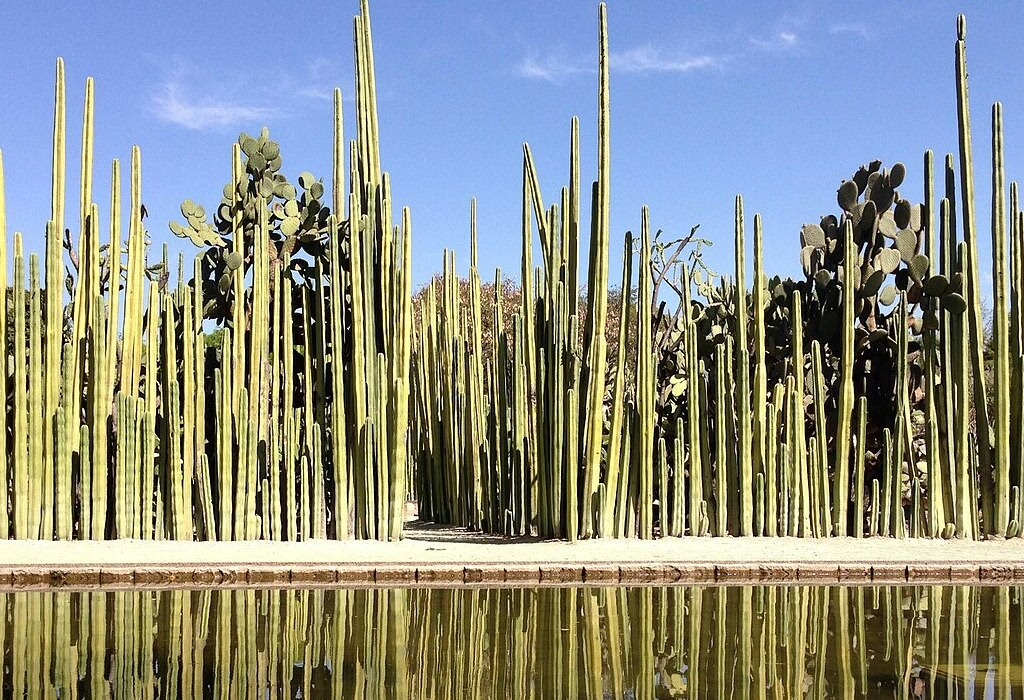
Oaxaca Giardino etnobotanico:
Situato nell'ex convento di Santo Domingo, questo giardino racconta la storia del rapporto tra le popolazioni indigene e le piante. Qui ogni specie ha un uso culturale, medicinale o culinario. Se avete intenzione di esplorare la regione al di fuori della città, date un'occhiata ai nostri guida completa a Puerto Escondido, Oaxaca e scoprire come la biodiversità di Oaxaca si estenda dai suoi giardini storici alla sua selvaggia costa del Pacifico.
| Giardino botanico | Posizione | Costo approssimativo | Cosa non deve perdersi chi viaggia |
| UNAM Giardino botanico | Città del Messico (Ciudad Universitaria) | Ingresso libero | Una delle collezioni di cactus e succulente più importanti al mondo, ambientata in paesaggi di roccia vulcanica. Ideale per comprendere gli ecosistemi nativi del Messico e la flora d'alta quota. |
| Chapultepec Giardino botanico forestale | Città del Messico (Paseo de la Reforma area) | Ingresso libero | La collezione di orchidee e il giardino degli impollinatori. Un'oasi di pace nel cuore della città, perfetta per la fotografia naturalistica e le esposizioni floreali stagionali. |
| Vallarta Giardini botanici | Puerto Vallarta, Jalisco | Circa $200-$300 MXN | Percorsi nella giungla tropicale, ponti sospesi e una delle collezioni di orchidee più impressionanti del Messico. Eccellente per il birdwatching e le esperienze immersive nella foresta pluviale. |
| Giardino Etnobotanico di Oaxaca | Oaxaca Città (Ex Santo Domingo Convento) | Circa $50-$100 MXN (ingresso guidato) | Un viaggio culturale attraverso la conoscenza delle piante indigene, tra cui le agavi e le piante medicinali. Offre una visione approfondita del patrimonio botanico del Messico. |
La visita a questi giardini botanici consente ai viaggiatori di sperimentare la diversità floreale del Messico al di là delle spiagge e, in alcuni casi, di vedere persino il fiore nazionale del Messico in fiore, a seconda della stagione.
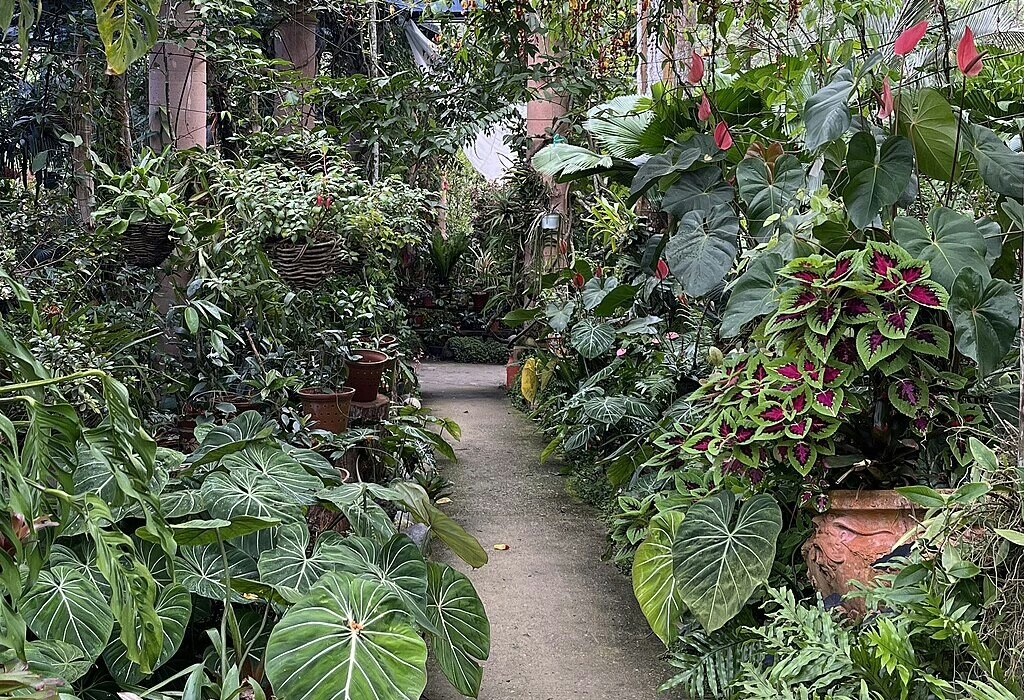
Suggerimento di viaggio: Giardini del Messico - Un paradiso floreale
Se siete dei veri appassionati dei fiori messicani e cercate un'esperienza grandiosa, non potete perdervi Giardini del Messico, situata nello stato di Morelos (molto vicina a Cuernavaca).
Non si tratta di un normale giardino botanico, ma di un parco tematico di 51 ettari progettato per lasciare a bocca aperta. Ciò che lo rende speciale per il vostro itinerario è la sua divisione per stile: presenta un Giardino Giapponese, un Giardino Italiano e, naturalmente, un maestoso Giardino dei Cactus.
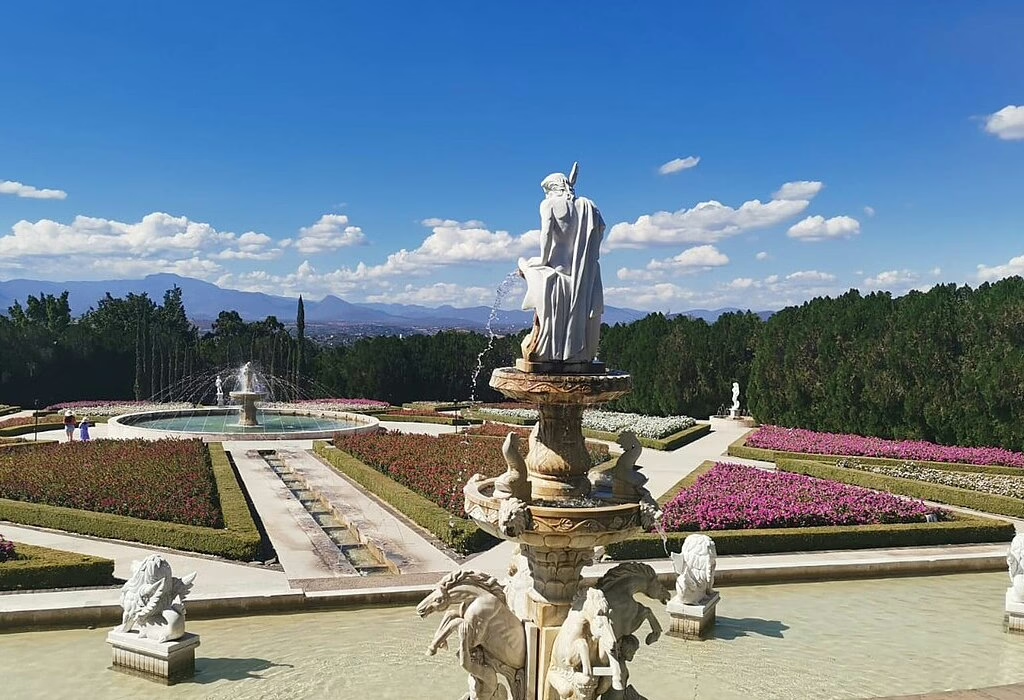
Perché visitarla? È il luogo ideale per ammirare le massicce esposizioni del fiore nazionale messicano durante i suoi festival tematici. Inoltre, il suo design paesaggistico è uno dei più impressionanti dell'America Latina. Per gli eventi aggiornati, i festival stagionali e le informazioni sui biglietti, è possibile visitare il sito ufficiale di Giardini del Messico.
Posizione: Autostrada Messico-Acapulco km 129, Tehuixtla, Morelos.
Costo: Circa $275 - $350 MXN (a seconda della stagione e degli eventi speciali). È la gita di un giorno perfetta da Città del Messico per chi vuole essere circondato da milioni di fiori in un unico luogo.
FAQ sul Fiore Nazionale del Messico
Qual è il fiore nazionale del Messico?
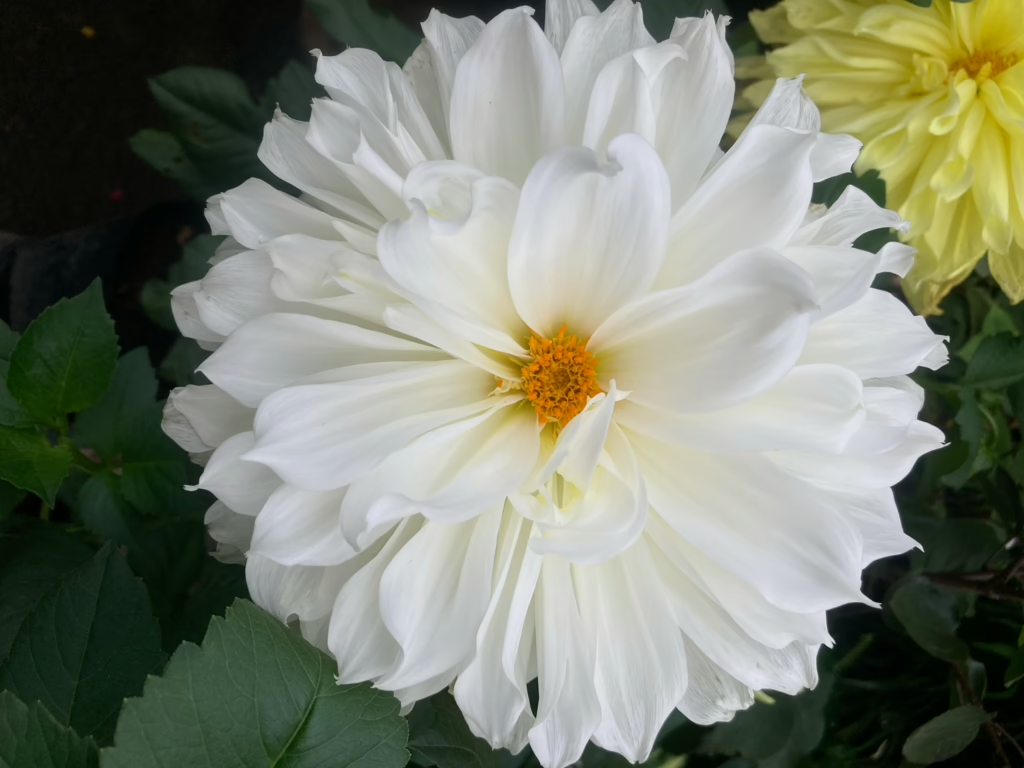
Il fiore nazionale del Messico è la dalia (Dahlia pinnata). È stato dichiarato ufficialmente tale nel 1963 perché è originario del Messico e conta più di 40 varietà.
La calendula (cempasúchil) Il fiore nazionale del Messico?
No. Sebbene la calendula sia uno dei fiori più rappresentativi del Paese durante il Giorno dei Morti, il fiore nazionale del Messico è la dalia. La calendula è un elemento essenziale delle offerte che vengono fatte durante questa tradizione.
Quando è il momento migliore per vedere il fiore nazionale del Messico?
La dalia fiorisce principalmente tra luglio e settembre. Agosto è un mese ideale, poiché il 4 agosto è la Giornata Nazionale della Dalia.
Dove si possono vedere le dalie in Messico? Per ammirare il loro splendore, consigliamo di visitare il Mercato dei Fiori di Cuemanco o il Mercato dei Fiori di Madre Selva, poiché sarà difficile vederle durante le vostre passeggiate in città.
Che cosa simboleggia il fiore nazionale del Messico?
La dalia è simbolo di resilienza, bellezza, diversità e orgoglio nazionale. Essendo una specie originaria del Paese, rappresenta la ricchezza naturale e culturale del Messico.
La dalia esiste solo in Messico?
Sebbene le dalie siano oggi coltivate in tutto il mondo, il Messico è il loro centro di origine. Esistono più di 40 specie endemiche che crescono naturalmente solo in territorio messicano.
Vale la pena programmare un viaggio in Messico durante la stagione dei fiori?
Sì. Se c'è un luogo, un monumento o un festival specifico che volete visitare, siamo sicuri che ovunque andiate, vi basterà guardarvi intorno per apprezzare la vegetazione circostante.
Il Messico offre esperienze floreali uniche tutto l'anno: le jacarande in primavera (marzo-aprile), le dalie in estate, le calendule in ottobre-novembre e le stelle di Natale in dicembre. Viaggiare in base alla stagione permette di vivere festività e paesaggi diversi.
Conclusione
Il Messico è molto più dei suoi monumenti; è un organismo vivente che respira nelle sue valli e nelle sue giungle. Sia che cerchiate il significato spirituale del fiore nazionale messicano o che vogliate semplicemente perdervi nei colori di un mercato locale, la flora di questo Paese vi offre un legame autentico con la terra.
Quindi, alla prossima visita, non dimenticate di guardare in basso, ai lati e in alto verso le cime degli alberi. Il paesaggio ha molto da raccontare.