
 IT
IT  EN
EN  ES
ES  FR
FR  PT
PT  DE
DE 

Indice dei contenuti
- Introduzione
- Is Mexico City Safe for Tourists During the World Cup?
- Why Mexico City Is Safe in Tourist Areas
- How to Stay Safe While Getting Around Mexico City
- Is Mexico City Safe at Night During the World Cup?
- Night transportation safety tips
- Common Situations Where Mexico City May Not Feel Safe
- What to Do in Case of Emergency in Mexico City
- Tips to Enjoy a Safe Trip to Mexico City During the World Cup
- FAQ – Is Mexico City Safe for World Cup Visitors?
- Final Answer: Is Mexico City Safe for the World Cup?
Introduzione
Il Coppa del Mondo FIFA 2026 is not just a sporting event; it is a global celebration that will see Mexico City take center stage as the first city to host three different World Cups. However, for many international travelers—especially those visiting Latin America for the first time—the question of safety is paramount.
Is Mexico City safe?
To provide an accurate answer, we must move beyond stereotypes and look at the infrastructure, the specific neighborhoods, and the massive security operations being prepared for 2026.
Is Mexico City Safe for Tourists During the World Cup?
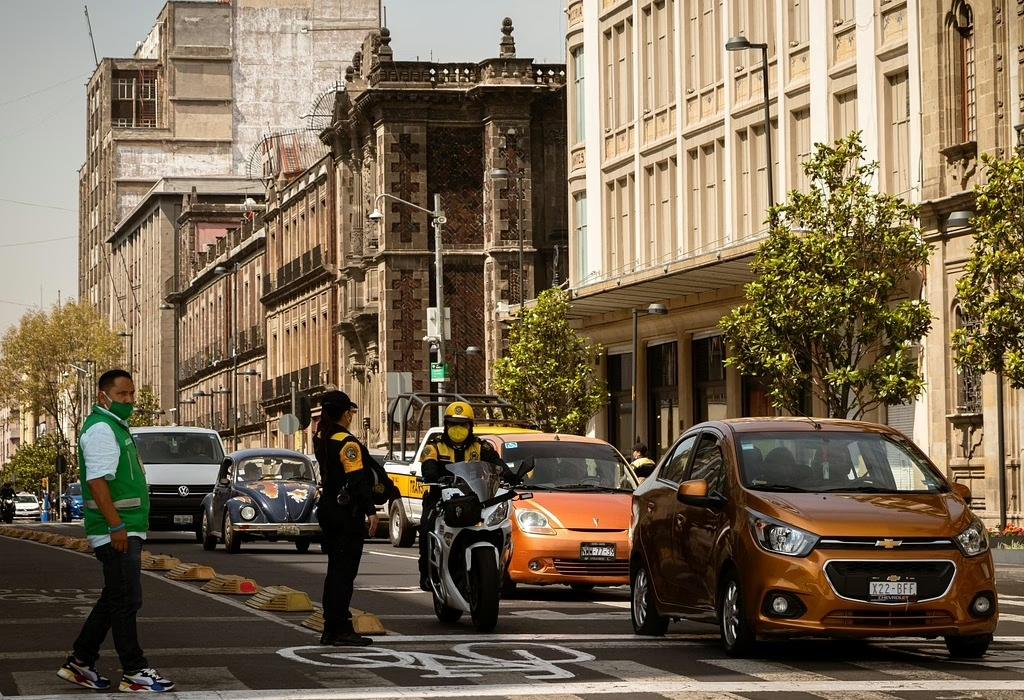
Yes, Mexico City is safe for tourists, especially during major events like the FIFA World Cup, when security measures are significantly increased. The Mexican government, in coordination with FIFA, has developed a “Comprehensive Security Plan” specifically for the Estadio Banorte and the surrounding fan zones.
Why Mexico City is safe for international visitors
The city’s economy relies heavily on tourism, which means there is a vested interest in keeping visitors safe. The Policía Turística (Tourist Police) is a specialized branch of the police force that patrols areas like the Zócalo, Paseo de la Reforma, e Polanco. These officers often speak English and are trained specifically to assist foreigners with everything from directions to reporting lost items.
Is Mexico City safe compared to other World Cup host cities?
When comparing Mexico City to other 2026 host cities like Los Angeles, Houston, or New York, the safety levels in tourist-centric areas are remarkably similar. While Mexico City often suffers from a negative “perception” in international media, the statistical reality for a tourist in neighborhoods like Roma o Condesa is comparable to being in a major European or American metropolitan hub.
Safety in Mexico City: Perception vs. Reality
One of the biggest hurdles for travelers is distinguishing between national-level news and the day-to-day reality of Mexico City (CDMX). Most incidents reported in the news occur in border towns or specific states far from the capital.
Why Mexico City Is Safe in Tourist Areas
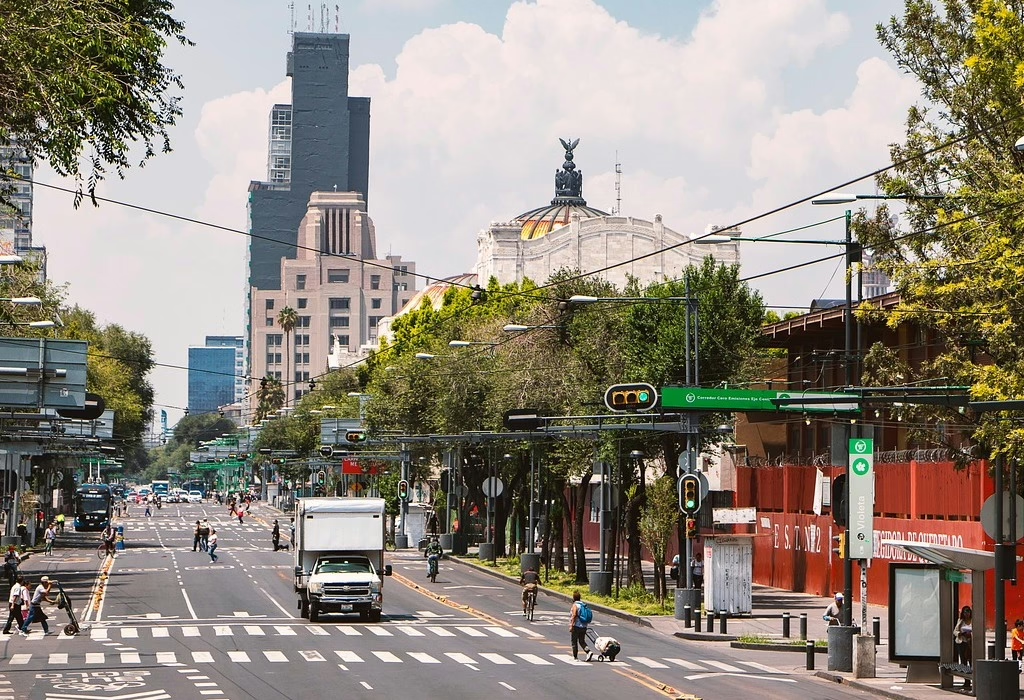
The “Tourist Corridor” of Mexico City is a high-priority zone for the government. This area, which stretches from the Historic Center through Reforma and into the western neighborhoods, features high-density CCTV coverage (the C5 system), frequent patrols, and high foot traffic, which statistically reduces the likelihood of violent crime. For those looking to experience this area from above, taking a private tour of the Torre Latinoamericana is an excellent and secure way to enjoy the best views of the city’s skyline.
Why Polanco is safe for tourists
Polanco is often referred to as the “Beverly Hills of Mexico.” It is the safest neighborhood for international visitors due to its high concentration of embassies, private security, and excellent infrastructure. Before you arrive, you can even explore the area with our virtual tour of the Polanco neighborhood, which highlights why it remains a “no-compromise” zone for security.
- Private Security: Most residential and commercial buildings have 24/7 private guards.
- Infrastructure: Well-lit streets, high-quality pavement, and clear signage.
- International Presence: Home to most embassies, making it a “no-compromise” zone for security.
Why Roma and Condesa are safe areas
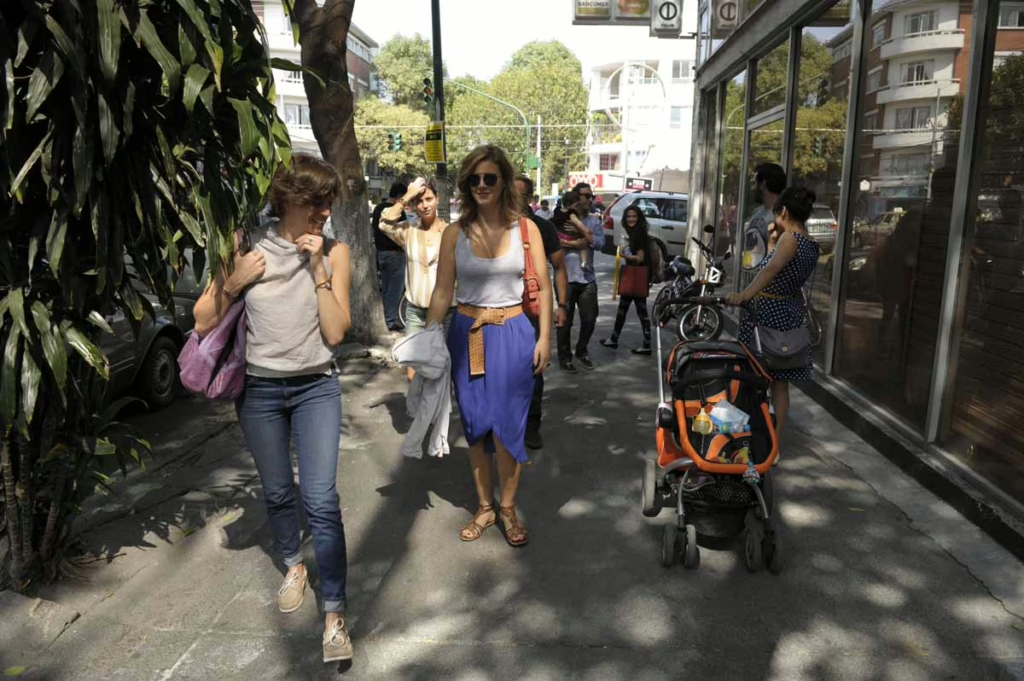
These twin neighborhoods are the heart of the city’s creative and digital nomad scene. They are safe because they are “living” neighborhoods—people are out walking their dogs at 11:00 PM, dining at sidewalk cafes, and commuting by bike. This “constant eyes on the street” philosophy makes them incredibly secure for foreigners. For a deeper look into the lifestyle and security of these districts, you can read our guide on Roma and Condesa in Mexico City.
Is Centro Histórico safe to stay?
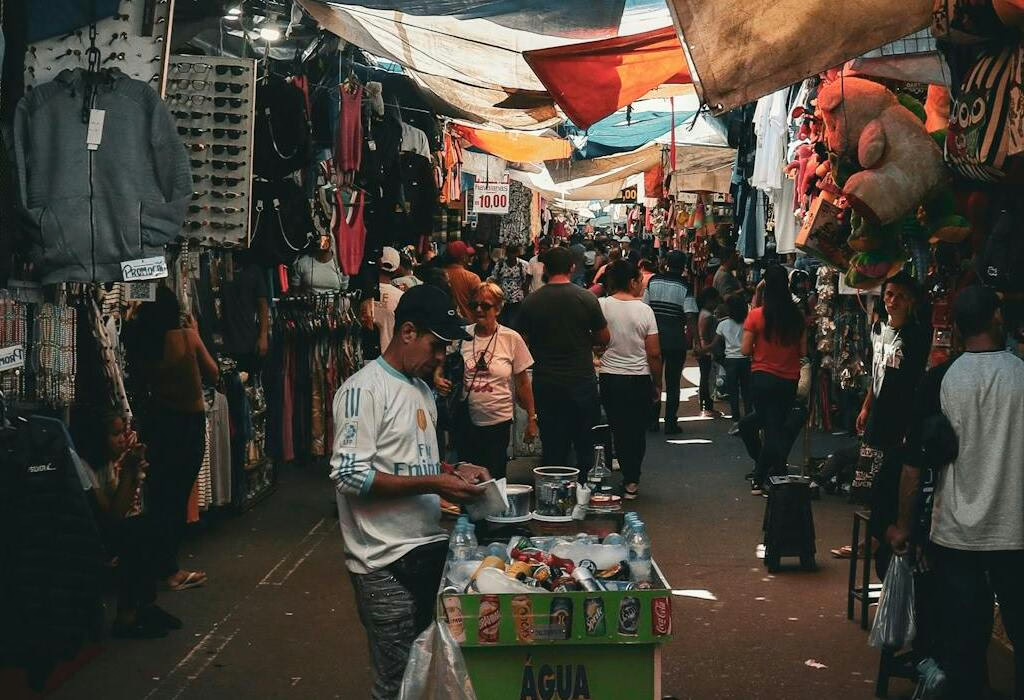
The Historic Center is safe during daylight hours. However, it requires more caution than Polanco. Because it is a massive commercial hub, it attracts pickpockets in crowded markets. Staying here is safe if you choose hotels on major avenues like 5 de Mayo o Madero, but it is generally advised to avoid wandering into the eastern edges of the district after 9:00 PM.
Are areas near stadiums safe?
The area surrounding Estadio Banorte (Santa Úrsula) is a traditional, working-class residential area. On match days, it will be incredibly safe due to the massive police cordons and high visibility. However, if you are visiting on a non-match day, it is better to stay on the main thoroughfares and not wander deep into the residential backstreets where lighting may be poor. To make the most of your time in the city, check out our guide on the Le migliori cose da fare a Città del Messico tra le partite della Coppa del Mondo 2026, which includes safety tips for fans navigating these specific zones.
Areas where Mexico City is less safe at night
While Mexico City is generally safe, there are “colonias” (neighborhoods) that offer little for tourists and carry higher risks.
- Tepito: Known as the “Barrio Bravo,” it is a fascinating market but can be very dangerous for foreigners due to high levels of local gang activity.
- Doctores: While it borders the trendy Roma, it is much more rugged. It is best to avoid walking here at night.
- Iztapalapa: This is a massive residential borough. While it has improved, it remains a high-crime area and offers no reason for a World Cup visitor to enter.
How to Stay Safe While Getting Around Mexico City
- Don’t look like a target: Avoid wearing flashy jewelry or expensive watches in crowded markets.
- Phone awareness: Do not walk with your phone out in your hand while looking at maps; step into a shop or cafe to check your route.
- Trust your gut: If a street looks dark or deserted, turn back.
Is Mexico City Safe at Night During the World Cup?
The nightlife in CDMX is legendary. From the cantinas of the Zócalo to the high-end clubs in Lomas, the city comes alive at night.
Areas where Mexico City is safe at night
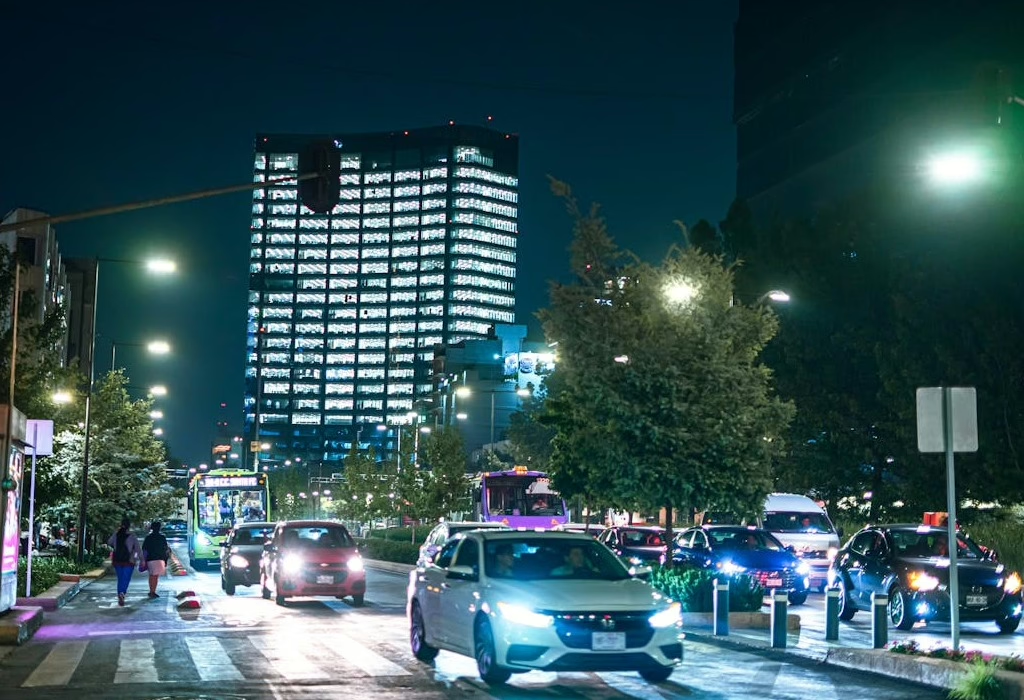
During the World Cup, the Festival dei tifosi FIFA sites (usually in the Zócalo o Chapultepec) will be the safest places to be. Additionally, the nightlife corridors of Álvaro Obregón (Roma) e Nuevo León (Condesa) are safe until the early morning hours due to the sheer volume of people. If you’re looking for more specific recommendations for an evening out, you can explore our guide on the best nightclubs and nightlife party spots in Mexico City, which focuses on the most popular and secure areas for visitors.
Night transportation safety tips
- Never hail a taxi on the street: This is the #1 safety rule in Mexico City at night. “Libre” taxis are unvetted.
- Use Apps: Uber and Didi are very safe and affordable.
- Valet Parking: If you rent a car, always use the restaurant’s valet; do not park on the street in unknown areas.
Uber è sicuro a Città del Messico?
Yes, Uber is safe in Mexico City and is one of the most recommended transportation options for tourists. For added safety, use the “Verify with PIN” feature in the app and always share your trip status with a friend or family member.
Is the Metro safe for tourists?
The Mexico City Metro is one of the busiest in the world.
- Safety: It is generally safe from violent crime, but pickpocketing is common during rush hour.
- Women-only sections: Il Metro e Metrobús have dedicated sections for women and children, which are highly respected and significantly safer for female travelers.
Safe ways to travel to stadiums
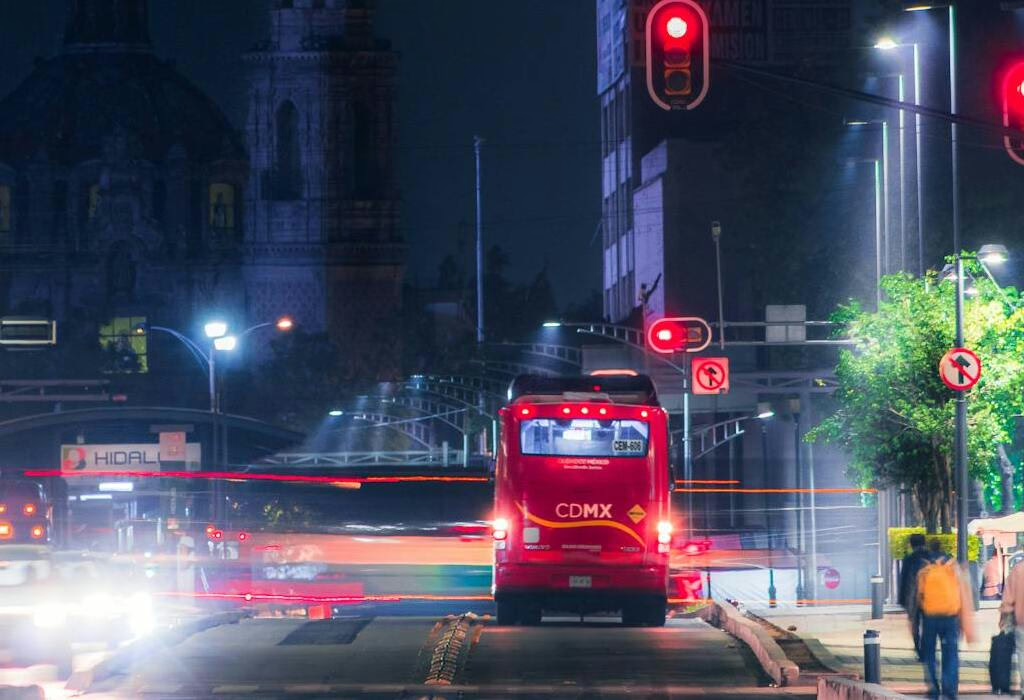
For the 2026 World Cup, the city will implement “Fan Shuttles”—dedicated buses picking up fans at major hubs like Auditorio or Perisur to go directly to the stadium gates. For a complete breakdown of these options, you can check our guide on transport in Mexico City during the World Cup, including Metro and Uber tips, which is the most efficient way to plan your match-day logistics.
Common Situations Where Mexico City May Not Feel Safe
Sometimes, “feeling” unsafe is different from “being” in danger. Mexico City is loud, crowded, and chaotic.
Common tourist scams in Mexico City
- The “Mustard” or “Bird Poop” Scam: Someone accidentally drops a substance on your shoulder and offers to help clean it. While they “help,” a partner takes your bag.
- The Fake Police: Occasionally, scammers dress as plainclothes officers and ask to see your passport or “check your money for counterfeits.” Real Mexican police will never ask to touch your cash.
How to avoid taxi and ATM scams
- Use ATMs inside major malls (Reforma 222, Oasis Coyoacán, Mítikah) rather than those on the street.
- If you must use a taxi, use a “Sitio” taxi—these are dispatched from a fixed physical station and are much safer than street taxis.
What to Do in Case of Emergency in Mexico City
911: The general emergency number (Police, Fire, Ambulance).
066: Another valid emergency line.
- Tourist police and assistance: the Tourist Police are easily identifiable by their neon vests or white-and-blue uniforms. They are there specifically for you. Don’t hesitate to approach them even for minor questions.
Embassy support for travelers: keep the address of your embassy saved in your offline maps (Google Maps allows you to download “Mexico City” for offline use). Most embassies are located along the Paseo de la Reforma corridor.
Tips to Enjoy a Safe Trip to Mexico City During the World Cup
Simple habits to stay safe in Mexico City
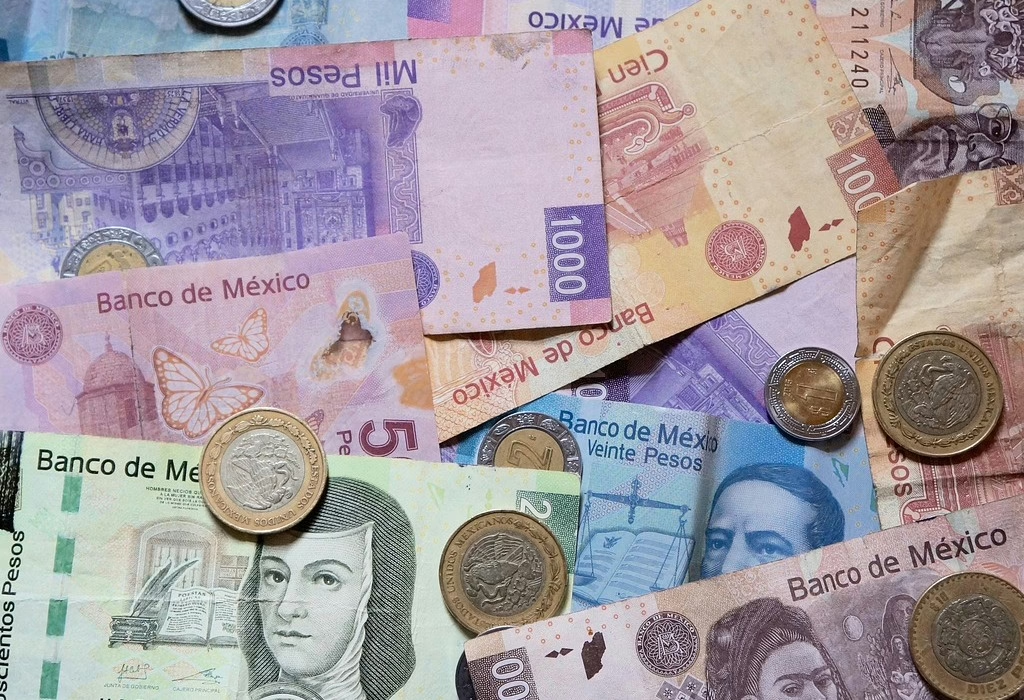
- Card vs. Cash: Use Apple Pay or credit cards where possible, but keep some Pesos (small denominations) for street food and tips. A great way to navigate the local culinary scene securely is by joining a Mexico City food tour, where an expert guide leads you to the best and safest spots.
- Dress down: You don’t need to look like you’re on a safari, but leave the Rolex at home.
- Atmospheric awareness: If a bar feels “off” or has no women or families present, it might not be a tourist-friendly spot.
How locals stay safe
Locals in CDMX use “Malicia” (Malice)—not in a bad way, but as a form of heightened awareness. They don’t leave bags hanging on the back of chairs in restaurants; they keep them on their laps or use bag hooks.
FAQ – Is Mexico City Safe for World Cup Visitors?
Is Mexico City safe for tourists in 2026?
Yes, Mexico City is safe for tourists in 2026, especially during the World Cup. With the infrastructure upgrades and the massive influx of international security consultants, Mexico City will be at its safest during the 2026 World Cup.
Is Mexico City safe for solo travelers?
Yes, particularly for solo female travelers who utilize the women-only transport sections and stay in neighborhoods like Condesa o Coyoacán.
Is Mexico City safe at night?
In the right neighborhoods, yes. Like NYC or London, you just need to avoid deserted areas and use app-based transport.
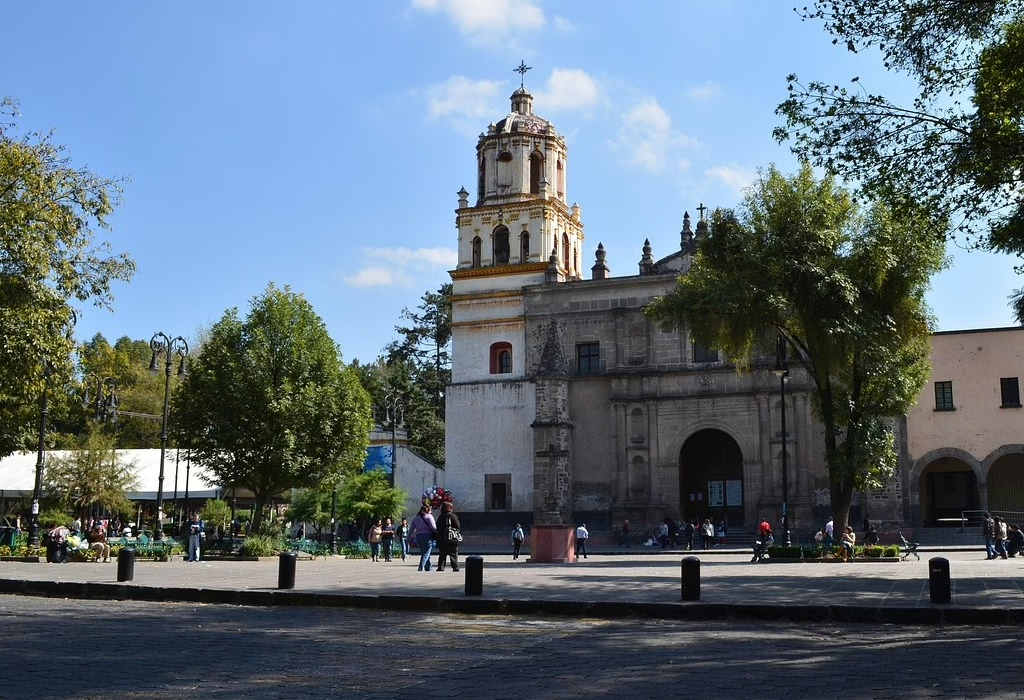
How safe is Mexico City compared to other destinations?
CDMX is often safer than many major U.S. cities in terms of violent crime per capita in tourist zones. It ranks similarly to cities like Bogota or Madrid for general tourist safety.
Can I drink the water in Mexico City?
While not a “crime” safety issue, health is safety! Do not drink tap water. Stick to bottled water or the “agua de filtro” provided by hotels and reputable restaurants.
Is it safe to use my phone on the street?
In Polanco or Roma, yes. In a crowded market in the Historic Center, it’s better to be discreet to avoid “snatch-and-run” theft.
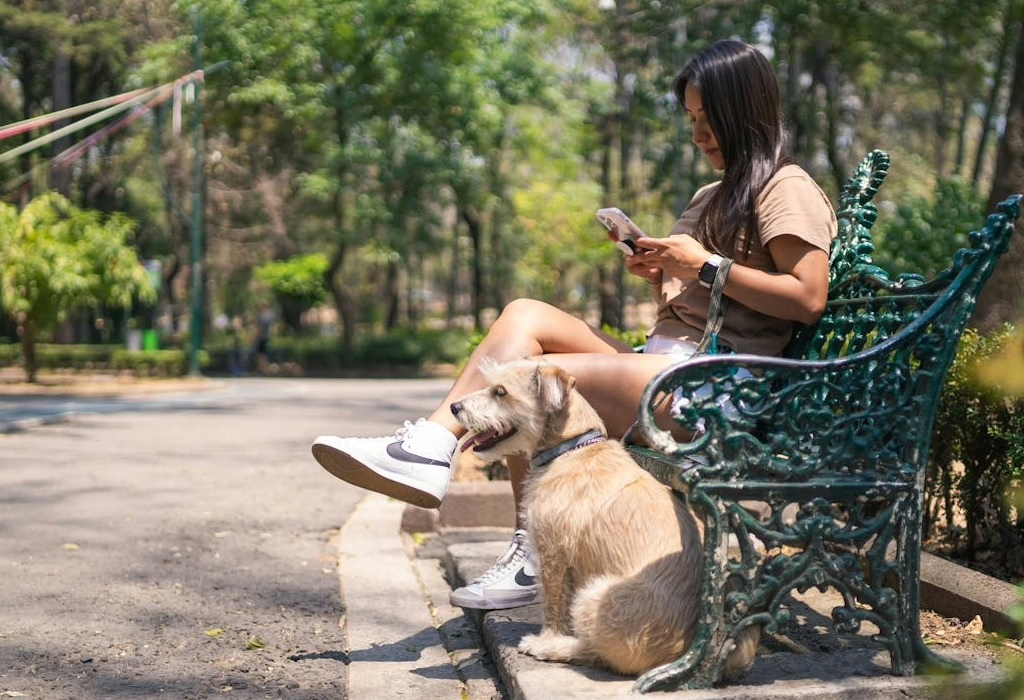
Final Answer: Is Mexico City Safe for the World Cup?
Mexico City is a world-class destination that is ready to welcome the world in 2026. While the city has challenges typical of any massive global capital, the risks to tourists are minimal if you follow basic safety protocols.
Stay in the recommended neighborhoods, use Uber, keep an eye on your belongings in crowds, and you will find that the only real “danger” in Mexico City is wanting to stay forever.