
 EN
EN  ES
ES  FR
FR  PT
PT  DE
DE  IT
IT 

Table of Contents
- Introduction
- The origins
- Traditional music genres in Latin America
- Popular Latin American Musical Instruments
- Famous Latin American Musicians and Their Contributions
- Evolution of music in Latin America in the modern era
- Impact of Latin American music on global culture
- Latin American music festivals and events
- Traveler’s Insider: How to Experience the Rhythm
- Conclusion
- Informative Video
Introduction
Latin American music is a product of the mingling between Native Americans, Europeans, and Western cultures slaves from Africa. An amalgamation like no other spawned the eclectic landscape that is captivating audiences worldwide.
The rhythmic component of Latin American music originates with the musical traditions of Africans. They were slaves in various parts of South America and the Caribbean. From the driving beats of salsa, merengue and rumba to center moves which are all that much in light of those conveyed from West African drumming and move. The addition of Indigenous American singing and instrumentation, as well the harmony/musical strucures that came with colonialists all further enriched these African muscial elements.
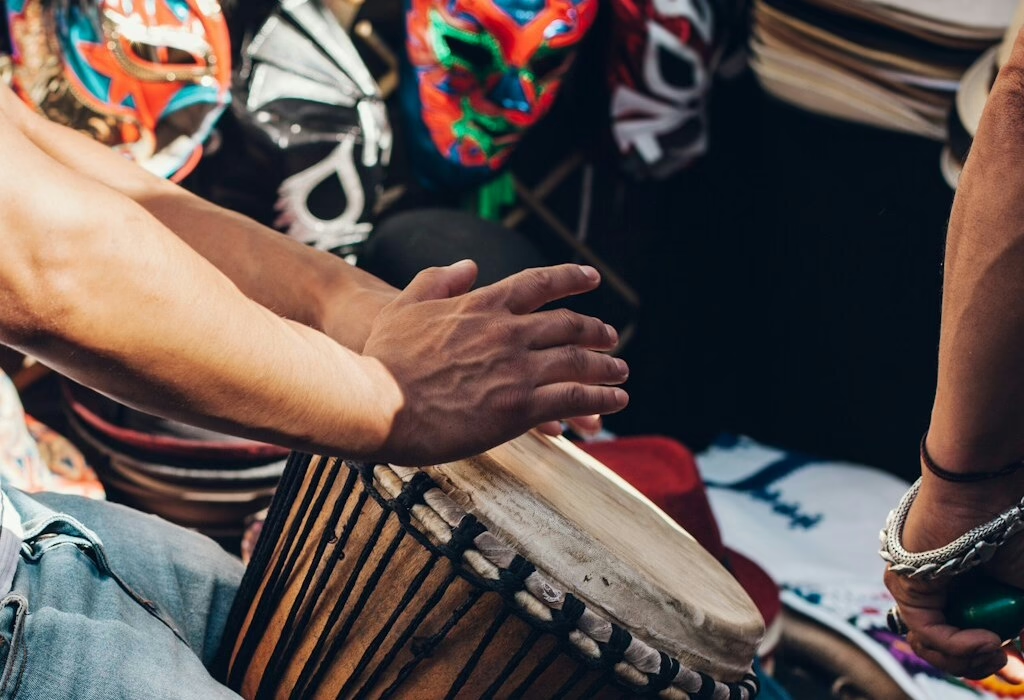
Quick Guide: Most Influential Music Genres in Latin America
| Genre | Country of Origin | Key Instruments | Best Place to Experience It |
| Mariachi | Mexico | Trumpet, Violin, Vihuela | Plaza Garibaldi, Mexico City |
| Samba | Brazil | Pandeiro, Surdo, Cuíca | Sambadrome, Rio de Janeiro |
| Tango | Argentina | Bandoneón, Piano, Violin | San Telmo, Buenos Aires |
| Salsa | Cuba / Puerto Rico | Congas, Piano, Brass | La Bodeguita del Medio, Havana |
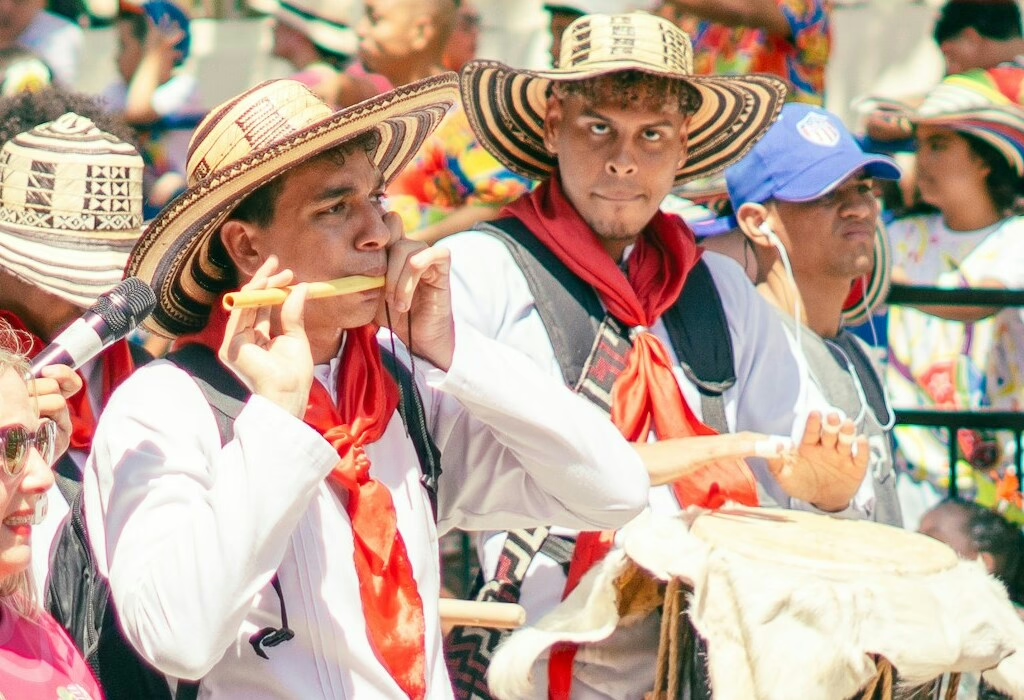
| Cumbia | Colombia | Gaita, Drums, Maracas | Barranquilla Carnival, Colombia |
| Merengue | Dominican Republic | Accordion, Tambora, Güira | Santo Domingo Malecón |
| Bachata | Dominican Republic | Acoustic Guitar, Bongos | Local “Colmados” in Punta Cana |
| Reggaeton | Puerto Rico / Panama | Electronic Beats (Dem Bow) | San Juan Nightclubs |
| Bossa Nova | Brazil | Classical Guitar, Piano | Ipanema Beach, Rio |
| Andean Folk | Peru / Bolivia | Quena, Zampoña, Charango | Plaza de Armas, Cusco |
The Spanish and Portuguese colonization process in Latin America also played a significant role in shaping the region’s musical identity. The introduction of classical European instruments was pretty important. The guitar, piano, and violin, as well as the incorporation of European musical forms like the waltz and the polka, created a unique blend with the existing musical traditions. This cross-pollination of cultures gave birth to iconic Latin American genres like the tango, the bolero, and the bossa nova, which have become beloved worldwide.

The Origins: A Cultural Blend of Three Worlds
The African Pulse: The Rhythmic Revolution
The rhythmic component of Latin American music originates primarily with the traditions brought by enslaved Africans to the Caribbean and South America. From the driving beats of Salsa, Merengue, and Rumba to the spiritual Santería drumming, these sounds are based on West African polyrhythms. In places like Brazil, this influence gave birth to Samba, a genre that defines national identity.
The European Harmony: Strings and Structures
Spanish and Portuguese colonization played a significant role in shaping the region’s musical identity. The introduction of classical European instruments—the guitar, piano, and violin—along with forms like the Waltz and the Polka, created a unique blend. This cross-pollination gave birth to iconic genres like the Tango in Argentina and the Bolero in Cuba.
The Indigenous Legacy: The Soul of the Land
Long before colonial contact, Indigenous American singing and instrumentation existed. The use of the Huehuetl in Mexico or the Pan-pipes in the Andes provided the spiritual essence. Today, this legacy remains unbroken in Quechua and Aymara folklore, providing the “haunting” melodies that define Andean music.
Traditional Music Genres in Latin America
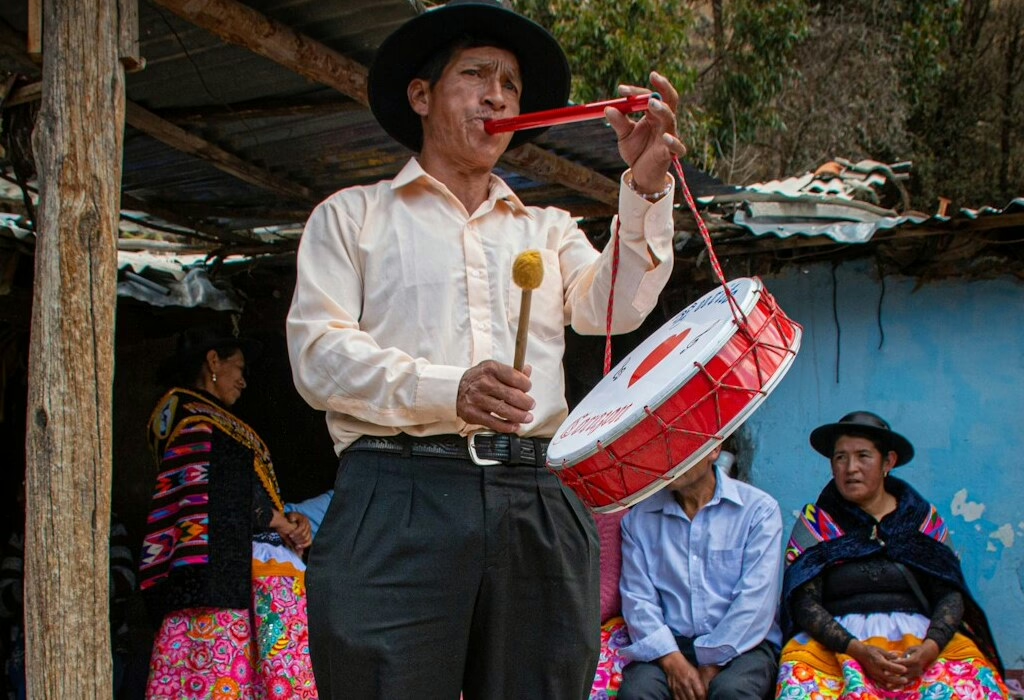
Traditional music in Latin America comprises numerous styles with regional variations. From the vallenato and cumbia of Colombia to Quechua folklore from The Andes, these traditional genres provide a solid base for what makes this colorful musical region, so diverse.
Mariachi and Son Jarocho in Mexico
One of the most iconic traditional genres is Mariachi. Featuring violins, trumpets, and the Vihuela, it is the soundtrack of Mexican life. But Mexico’s music goes deeper; the Son Jarocho from Veracruz, with its famous “La Bamba,” shows the Afro-Mexican influence through the requinto and jarana guitars.

The Caribbean Hub: The Golden Era of Salsa
The Caribbean is the world’s “rhythm factory.” While Salsa was popularized in New York, its heart is Cuban Son and Puerto Rican Plena. The infectious rhythms of Merengue and Bachata from the Dominican Republic have also dominated the global stage, proving that Latin music is designed for both the soul and the dance floor.
Brazil: Beyond the Bossa Nova
While the world loves the soft melodies of Bossa Nova (pioneered by João Gilberto), the true energy of Brazil lies in Samba and Axé. Rooted in the favelas of Rio de Janeiro, these genres use heavy percussion (surdo drums) and are the backbone of the world-famous Carnival celebrations.
The Andean Region: Music of the Clouds
From Colombia to Chile, the Andes Mountains house a unique musical tradition. Traditional music of the Quechua people features wind instruments that mimic the sound of the wind at high altitudes. This is “Music in Latin America” at its most ancient and preserved state.
Popular Latin American Musical Instruments
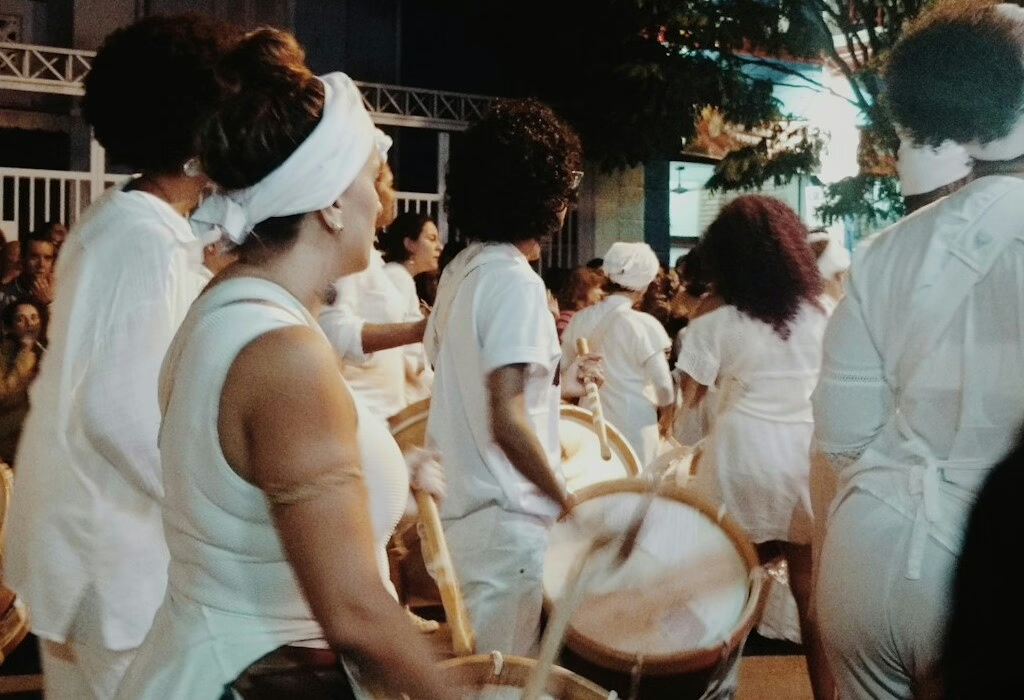
Latin American music has a great wide variety of musical instruments. The sound they produce is pretty significant, not only due to their own respective sounds but also to Latin culture.
The Guitar and its Variants
The guitar is one of the most popular Latin American instruments. Found in a variety of styles, from the flamenco stylings to rhythmic strumming common among many folkloric Latin instruments. In different regions, the guitar has evolved into the Charango (Andes), the Cuatro (Venezuela), and the Jarana (Mexico), each offering a unique harmonic texture.
The Latin Percussion Section
Another classic element is the Latin percussion section, which plays conga drums, bongos, and timbales. These drum instruments, with their incorporative rhythms and bouncy beats, are momentous stripes inside the peppy ways of Latin American sound. The pulsating back-and-forth between these drums and the melodic elements of other instruments are what lend to defining many Latin genres, like salsa and merengue.
The Pan-pipes (Quena and Zampoña)
The pan-pipes are a traditional wind instrument used in the Andes region of South America. Such haunting, ethereal instruments have graced the rugged beauty of the Andes Mountains for centuries in traditional Andean folk music. The sound of the pan-pipes is also featured in more conventional Latin American music, providing some cultural context to modern compositions.

Famous Latin American Musicians and Their Contributions
The textures of the Latin music were made by talented artists. Over the years, they have carved their names in Latino culture.
The Brazilian Legends: Caetano Veloso
One of the most renowned Latin American musicians is the legendary Brazilian singer and songwriter, Caetano Veloso. Veloso’s music, which blends traditional Brazilian rhythms with contemporary influences, has been at the forefront of the Tropicália movement. This was a groundbreaking artistic and political revolution that challenged the status quo in Brazil during the 1960s.
The Masters of Jazz: Chucho Valdés
Cuban pianist and composer Chucho Valdés is known as a virtuosic pianist and forms part of an illustrious lineage. He can seamlessly traverse the worlds of traditional Cuban music, Latin jazz, classical, or African rhythms. His output has been essential to the formation of Afro-Cuban jazz, a genre which deserved its global recognition.
Pop Superstardom: Ricky Martin and Shakira
Since first making waves in Latin pop over two decades ago, Puerto Rican singer-songwriter Ricky Martin quickly rose to superstardom on the international stage. Following his footsteps, Shakira has become a global force, merging time-honored Latin rhythms with fresh contemporary pop sensibilities. Their performances at events like the Superbowl have cemented Latin music’s place in global pop culture.

Evolution of Music in Latin America in the Modern Era
With the world globalizing rapidly, Latin American music is evolving too to integrate burgeoning technologies, genres, and cultures.
The Reggaeton and Latin Trap Phenomenon
In the modern age of Latin music, one of the most important genres that have emerged has been reggaeton, as well as Latin trap. These genres are very famous among youngsters, and they have gained much popularity due to their mixes with hip-hop and dancehall as well as traditional Latin beats. Bad Bunny, J Balvin, Anitta, and Ozuna have become leading ambassadors of the reggaeton and Latin trap movements in music worldwide.
The Contemporary Folk Fusion
Something notable in the transformation of Latin American music is its progressive blend of traditional styles and contemporary influences. Artists like Juanes, Natalia Lafourcade, and Gaby Moreno create hits that intertwine rhythms with melodies of Latin-American folklore. This organic mix of pop, rock, and tradition ensures that ancient sounds remain relevant for new generations.

Impact of Latin American Music on Global Culture
The dynamic and richly diverse music culture of Latin America has shaped global musical heritage in a way that defies national borders.
Mainstream Integration and Success
One of the most important contributions that Latin American music has made to global culture is its incorporation into mainstream popular music. The huge success of artists such as Shakira, Karol G, and Luis Fonsi in merging traditional Latin American sounds with modern pop has opened doors for international recognition.
Beyond the Melodies: Social and Political Movements
Outside of popular music, the Latin American impact can be found in dance, fashion, and social movements. Artists like Victor Jara and Mercedes Sosa have notoriously transformed their lyrics into a platform to discuss issues of social justice, political oppression, or cultural identity. Their music served as a uniter across borders, proving that music is a powerful tool for consideration and change.

Latin American Music Festivals and Events
Latin American music has a rich tradition of stunning festivals and events that celebrate the region’s diverse cultural heritage and musical offerings. These festivals serve as hubs for showing off the traditional and contemporary music in Latin America, drawing in audiences from around the world and fostering a deeper appreciation for the region’s musical legacy.
Rio de Janeiro Carnival
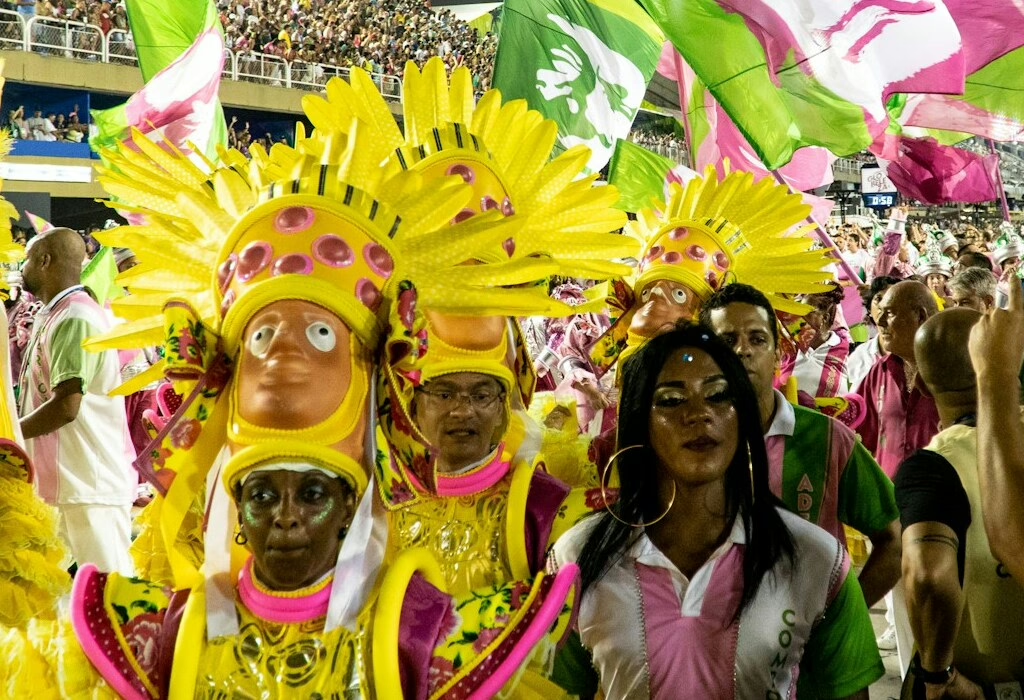
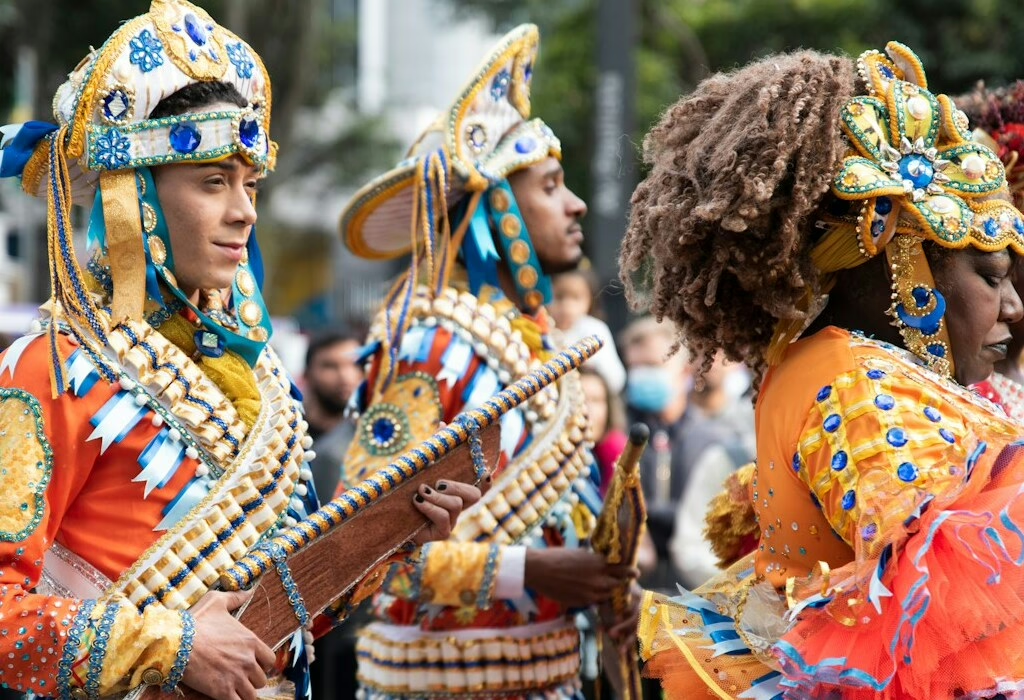
The annual Carnival celebration in Rio de Janeiro, Brazil is perhaps one of the most iconic Latin music festivals. Dedicated to incredible sounds from across Central and South America. This lively, multi-day event includes huge parades and spectacular costumes among the driving beats of samba music. The Rio Carnival is one of the most iconic cultural events in Brazilian history and a top-attraction for all music lovers as well worldwide!
Cervantino Festival in Mexico
Another renowned Latin American music festival is the Festival Internacional Cervantino, held in Guanajuato, Mexico. This multidisciplinary festival celebrates the arts, including music, theater, and dance. It focuses also on the rich cultural heritage of Latin America. The festival attracts performers and audiences from around the world. It offers a unique opportunity to experience the diversity of Latin American artistic expression.
Peruvian Music Festivals
In the Andean region, the Inti Raymi festival in Cusco, Peru, is a celebration of the winter solstice that features traditional Quechua music and dance. This event, which has its roots in Inca culture, is a testament to the enduring legacy of indigenous musical traditions in Latin America and their continued relevance in contemporary cultural celebrations.
Mainstream Festivals
The increasing number of Latin American music festivals, such as Pal Norte and Lollapalooza (editions in Argentina, Chile, and Brazil) taking place in several countries across the region – along with many others, have also been key factors equating to more global respect for what this part of the world has musically. This has given rise to both established and emerging Latin American artists a platform from which they can display their talent whilst connecting with audiences across the globe, greatly expanding where Latam music is listened.

Traveler’s Insider: How to Experience the Rhythm
In Mexico: Beyond the Restaurants
While you can hear Mariachi in almost any Mexican restaurant, the true soul of the music is found in the public squares. In Mexico City, a visit to Plaza Garibaldi is mandatory. Here, groups of musicians congregate every night, waiting to be hired for a song or a full serenade.
💡Pro Tip: If you visit during the Festival Internacional Cervantino in Guanajuato, you’ll witness a fusion of classical music and callejoneadas (musical walking tours) through the city’s tunnels and alleys.
In the Andes: The Sound of the Mountains
Andean music is deeply tied to the agricultural calendar and spiritual rituals. If you travel to Cusco or the Sacred Valley, look for “Peñas.” These are local community hubs where musicians gather to play the Quena and Charango while the audience enjoys traditional food. It’s an intimate, raw experience that most tourists miss.
In the Caribbean: The Dance Floor is Everywhere
In countries like Cuba or Colombia, music is a social glue. You don’t go to a “concert”; you go to a “fiesta.” In Cartagena, the sound of Champeta (a fusion of African rhythms and Caribbean beats) fills the streets of Getsemaní. For a traveler, the best way to respect the culture is to learn a few basic steps of Salsa or Bachata before you arrive.
Conclusion: Celebrating the Richness of Music in Latin America
The music of this captivating region is a testament to the power of cultural exchange, resilience, and human spirit. From the infectious rhythms of salsa to the soulful melodies of the bolero, the music of Latin America has the ability to transport us to distant lands, evoke memories of shared experiences, and unite us in the universal language of sound.
The richness and diversity of music in Latin America are a reflection of the region’s complex history. Also, the resilience of its people and the enduring power of artistic expression. By exploring the origins, influences, and evolution of these musical traditions, we gain a deeper appreciation for the cultural heritage that has shaped the soundscape of Latin America and its global impact.
We can expect the music of Latin America to move ahead and influence other cultures. But always giving a nod back to its origins. Whether it s the soundtrack of pan-pipe folk music from the Andes, those snappy rhythms from The Caribbean or that cutting edge mix tape of modern Latin Pop, you will undoubtedly feel, see and hear a spectacle happening in your heart. Let us lift our voices, stomp our feet, and hop to the vivid rhythms that shape Latin America’s lush music scene. At the end of it all, music is universal; a uniter across borders and cultures about what makes us human.
Ready to experience the rhythm in person?
Music is best experienced live where it was born. From the colorful canals of Xochimilco to the historic streets of Guanajuato, our local guides at Vibe Adventures will show you the authentic side of Latin American culture. Explore our Cultural Tours here and start planning your next rhythmic journey!