
 EN
EN  ES
ES  FR
FR  PT
PT  DE
DE  IT
IT 

Table of Contents:
- Introduction
- Wildlife and Animals
- Mountains and Hiking
- Coastal Nature and Beaches
- National Parks and Protected Areas
- Rare Natural Phenomena
- Why Nature in Mexico Is Important
- Best Time to Enjoy Mexican Nature
- How to Explore Nature in Mexico Responsibly
- Frequently Asked Questions
- Conclusion
Introduction
✍️Quick definition box: Nature in Mexico is characterized by its megadiversity, housing 10-12% of the world’s species across ecosystems like the Lacandon Jungle, the Sea of Cortez, and the Trans-Mexican Volcanic Belt.
Mexico is a country full of color, culture, and life, but some of its greatest treasures are the local ecosystems. From tall mountains to deep forests, from deserts to jungles, nature here is rich, diverse, and easy to explore. Many people visit Mexico for beaches and cities, but nature in this country also offers experiences that are just as powerful and unforgettable.
Nature is very special in Mexico because it changes a lot from one place to another. In one area, you can see volcanoes and cold weather. In another, you can walk through warm forests full of animals and plants. This variety makes it perfect for travelers who love the outdoors, wildlife, hiking, and peaceful places.
This guide is made to help you understand Mexican nature in a simple way. You will learn about animals, national parks, mountains, forests, and rare natural events. Everything is explained clearly so anyone can understand it, even if this is your first time learning about nature in this country. Indeed, Mexico is home to several UNESCO Natural World Heritage sites, recognized for their outstanding universal value.
If you like calm walks, adventure hikes, or watching animals in the wild, Mexican nature has something for you. You do not need to be an expert traveler. Many natural places are easy to visit and close to big cities. Remember that nature will always be open, welcoming, and full of beauty. Below, you will find the main parts of nature in Mexico, explained step by step.
Wildlife and Animals
One of the most exciting parts of the country’s landscapes is the wildlife. Mexico is one of the countries with the most animals in the world. You can find birds, mammals, insects, reptiles, and sea animals living in many different environments.
Local ecosystems are home to jaguars, monkeys, deer, whales, sea turtles, butterflies, and thousands of bird species. Some animals live in jungles, others in deserts, mountains, or oceans. This makes local ecosystems very rich and important for the planet.
Many travelers come to see animals in their natural homes. In forests and reserves, you can hear birds sing, see butterflies fly, and watch animals move freely. Mexican nature allows people to connect with wildlife in a respectful and calm way. One famous wildlife experience is the monarch butterfly migration. Every year, millions of butterflies travel to central Mexico. Seeing them cover trees and fly together is one of the most beautiful natural events in the world.
Mexico also includes marine life. Along the coasts, you can see dolphins, whales, and colorful fish. Even if you stay on land, Mexico’s natural wonders always offer a chance to see life around you. If you want to see wildlife up close, Mexico has many unique animal species you can learn about here.

Mountains and Hiking
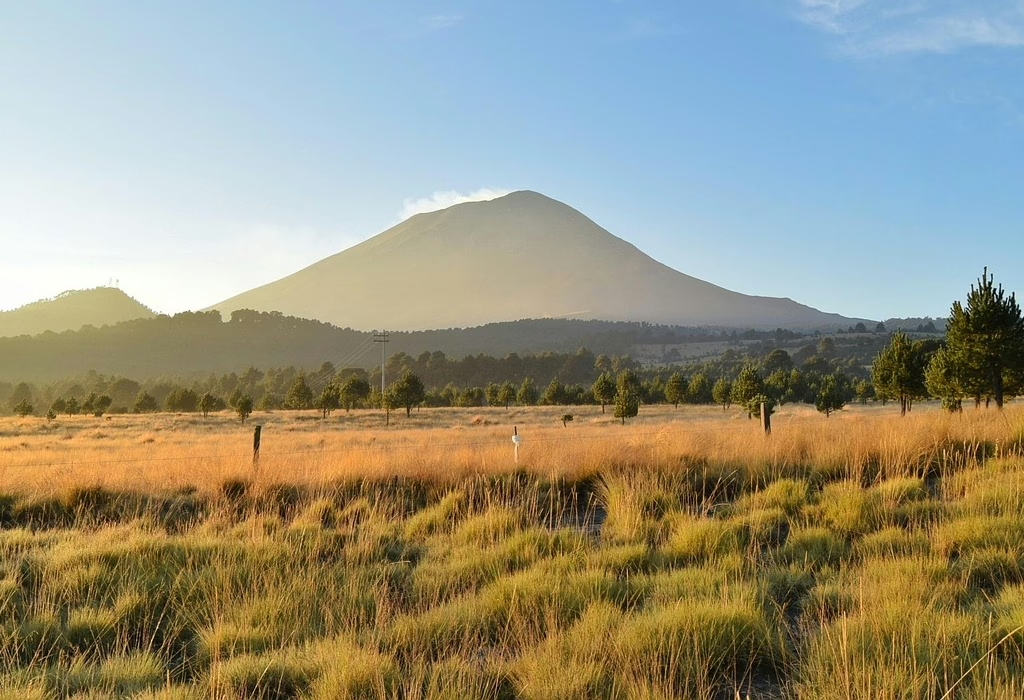
Nature in this country is also known for its mountains and volcanoes. Mexico is also a great place for hiking and mountain lovers. The country has many high peaks that offer amazing views and fresh air. In fact, hiking is one of the best ways to enjoy Mexican landscapes. Some mountains are easy to walk, while others are for experienced hikers, but there are options for everyone. Natural places in Mexico include green hills, rocky paths, forests, and snowy peaks.
Volcanoes are a big part of these natural wonders. Some are active, others are quiet and safe to visit. Additionally, hiking near volcanoes lets you see nature in Mexico from a new angle. You can see clouds below you and feel how big the land really is. Definitely, if you want a deeper hiking challenge, some volcanoes offer unforgettable views.
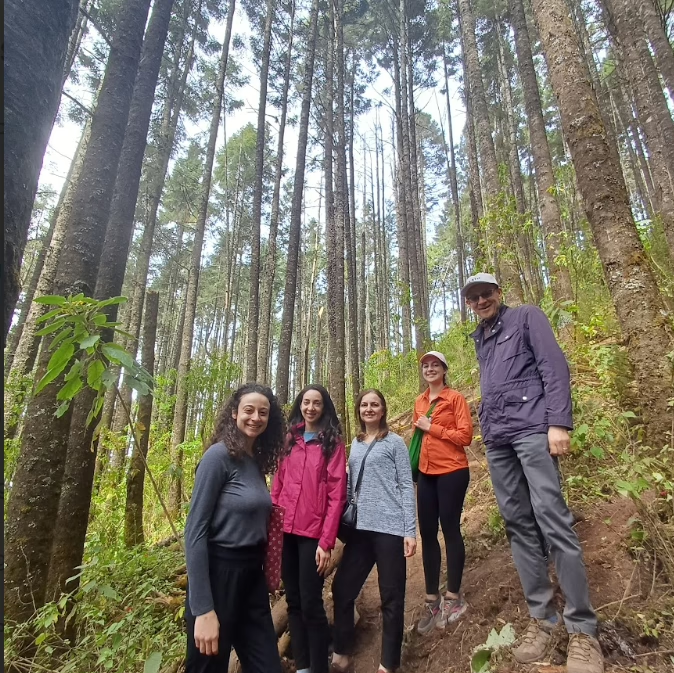
Many hiking areas are close to cities. This means you can enjoy nature in Mexico without traveling far. Parks and trails are well known by locals and visitors. The country’s landscapes are perfect for people who want to walk, breathe clean air, and feel calm. Even a short hike can make you feel relaxed and connected to the land.
Coastal Nature and Beaches
Nature in Mexico also includes some of the most beautiful and biodiverse beaches in the world. Beyond the white sand and blue water, coastal nature is home to complex ecosystems like coral reefs and mangroves. In places like the Riviera Maya, the Mesoamerican Reef—the second largest in the world—protects thousands of colorful fish and marine plants. Mexican beaches are also vital for wildlife, especially sea turtles. Every year, several species of turtles arrive on the shores of the Pacific and the Caribbean to lay their eggs, making the coast a key area for conservation and nature watching.
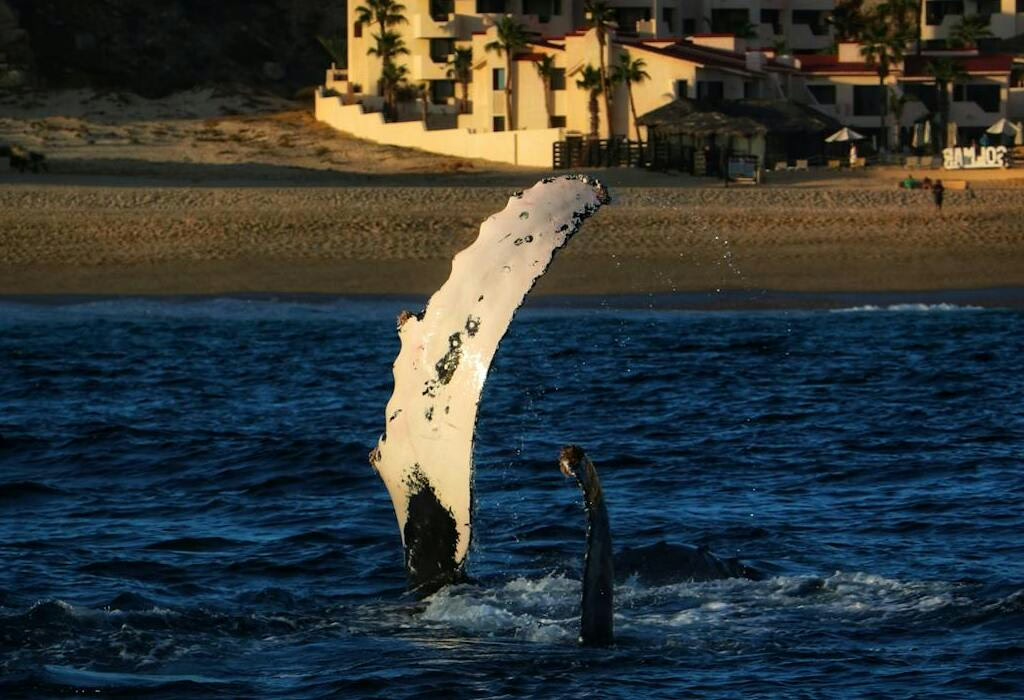
Another amazing part of coastal nature is found in the Sea of Cortez, often called the “aquarium of the world.” This area is famous for whale watching, where visitors can see gray and humpback whales in their natural habitat during the winter months. Nature in the coastal regions also includes mangroves, which act as a natural shield for the land and provide a home for many birds and crocodiles. Exploring the beaches of Mexico in a responsible way allows travelers to discover a side of nature that is both relaxing and full of life.

National Parks and Protected Areas
National parks are an important part of nature in Mexico. These places protect animals, plants, rivers, and forests. They also allow visitors to enjoy nature in Mexico in a safe way. Nature in Mexico includes many protected areas near cities and in remote regions. Some parks are good for hiking, others for picnics, bird watching, or relaxing. These parks help protect nature in Mexico for the future.
They stop pollution, protect animals, and teach people why nature matters. When you visit a park, you help support conservation. Many national parks have clear paths, signs, and guides. This makes nature in Mexico easy to understand and enjoy, even for first-time visitors. Nature in Mexico inside national parks feels calm and peaceful. You can hear the wind, water of the lakes, and animals instead of city noise.
Rare Natural Phenomena
Nature in Mexico is also famous for special natural events. Some of these events only happen in certain places and times. For instance, fireflies lighting up forests at night are one example. In some areas, thousands of fireflies glow together. This natural light show is quiet, magical, and very beautiful, and it shows how gentle nature in Mexico can be.
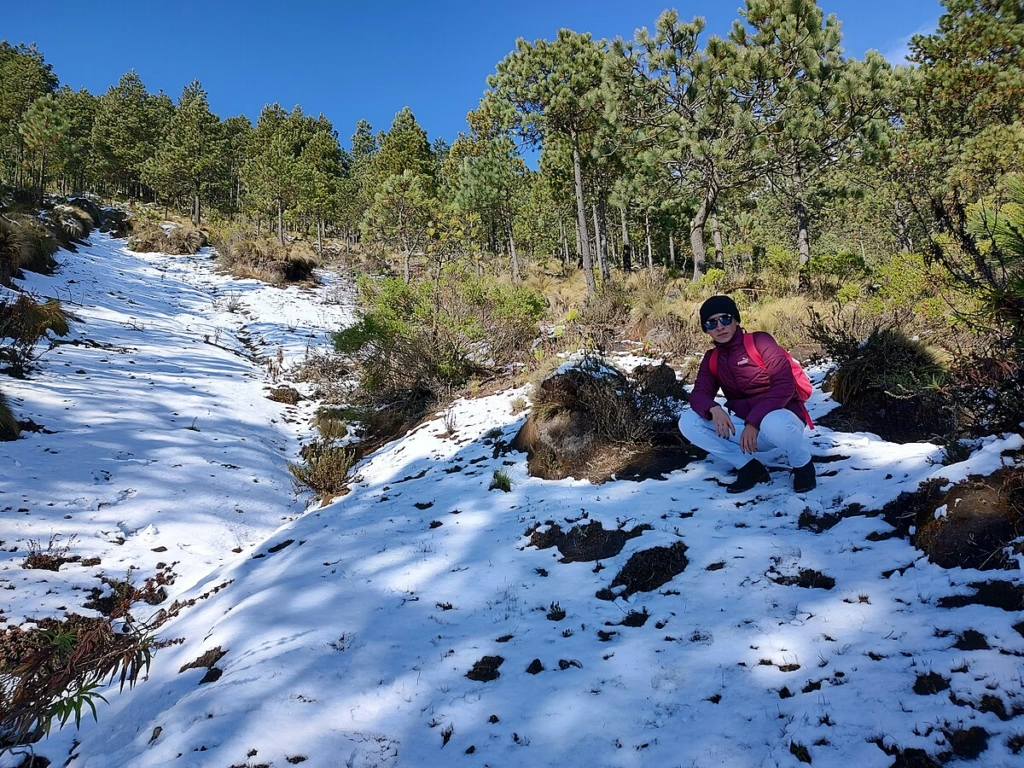
Another surprise in Mexico is the snow. Many people think Mexico is always hot, but some places get snow in winter. Mountains and high areas can turn white and cold. Butterfly migrations, whale visits, and flower blooms are also part of nature in Mexico. These events depend on seasons, weather, and care for the environment. Seeing these events reminds us that nature in Mexico is alive and always changing, and it teaches patience and respect.

Why Nature in Mexico Is Important
Nature in Mexico is important for many reasons. It gives food, water, air, and life to people and animals. It also helps control climate and protect the planet. Nature is also part of culture and daily life in the country. For instance, many traditions, stories, and foods come from nature. People have lived with nature in Mexico for thousands of years.
Traveling through nature in Mexico helps people learn to care more about the environment. When you see beauty, you want to protect it. Nature in Mexico also supports local communities. Tourism creates jobs and helps people keep their land clean and healthy.
Best Time to Enjoy Mexican Nature
Nature in Mexico can be enjoyed all year, but the experience changes by season. Some months are better for hiking, others for wildlife. For instance, rainy seasons make forests green and full of life. On the other hand, dry seasons make trails easier to walk. Finally, cold months are best for mountains, while warm months are good for jungles. Planning your trip helps you enjoy nature in Mexico more. Always check weather and local advice.
| Season 🗓️ | Best for… 👀 | Recommended Locations 🗺️ |
| Winter ❄️ | Whale watching / Monarch Butterflies 🦋 | Baja California / Michoacan 🌊 |
| Summer ☀️ | Fireflies / Mangroves ⭐ | Tlaxcala / Riviera Maya 🌲 |
| Autumn 🍁 | Hiking / Volcanoes ⛰️ | Iztaccíhuatl-Popocatepetl 🧗 |
How to Explore Nature in Mexico Responsibly
- Nature in Mexico should be treated with care. Visitors should respect animals, plants, and local rules.
- Do not leave trash. Do not touch or feed animals. Stay on paths. These small actions protect nature in Mexico.
- Supporting local guides (try to bring cash – Mexican pesos) and parks helps keep nature in Mexico safe and open.
Frequently Asked Questions
What is the best Mexican nature?
The best nature in this place includes mountains, forests, national parks, wildlife areas, and natural wonders like butterflies, volcanoes, and night firefly forests.
Is there nature in Mexico City?
Yes, there is nature in Mexico City. You can find forests, parks, hiking areas, and natural reserves very close to the city.
What are the best nature things to do in Mexico?
Popular nature things to do in Mexico include hiking, wildlife watching, visiting national parks, seeing fireflies at night, and exploring mountains and volcanoes.
- Visit Teotihuacan after hiking in the nearby natural places.
- Explore Xochimilco’s protected wildlife areas.
- Visit Los Dinamos National Park.
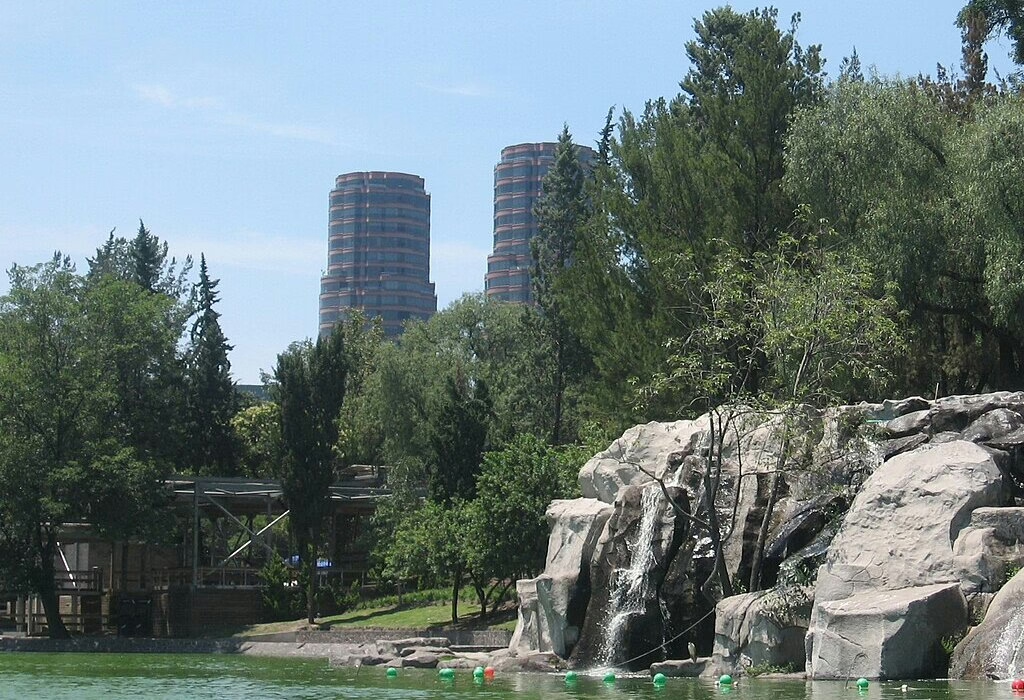
- Visit the Chapultepec Forest. The natural heart of Mexico City.
What are the best places in Mexico for nature lovers?
The best places in Mexico for nature lovers include national parks, mountain areas, protected wildlife zones, forests near big cities, and coastal natural areas.
Is nature in Mexico safe to visit?
Nature in Mexico is safe to visit when you follow local rules, visit known natural areas, and choose guided or well-maintained locations.

Is nature in Mexico the same as nature in New Mexico?
No. Nature in Mexico refers to natural places in the country of Mexico. New Mexico is a state in the United States and is a different location.
Can you find wildlife in nature in Mexico?
Yes, nature in Mexico is home to many animals, including butterflies, birds, mammals, reptiles, and marine life in protected areas. Mexican wilderness is impressive!
Conclusion
These natural wonders are some of the country’s greatest gifts. It offers beauty, peace, adventure, and learning in every region. From wild animals moving freely in protected areas to high mountains touching the clouds, it shows how rich and alive the land truly is. Forests, deserts, jungles, oceans, and volcanoes all exist within one country. This variety makes Mexican nature special not only for travelers, but also for the planet. It reminds us that Mexico is more than cities and beaches. It is also a place of powerful landscapes and living ecosystems.
Anyone can enjoy nature here. You do not need special skills, expensive equipment, or complex travel plans. Many natural areas are easy to access and welcome visitors year-round. It doesn’t matter you choose a simple walk in a national park, a hike near a volcano, or wildlife watching in a reserve, Mexican nature offers experiences that are both simple and meaningful. Every visit creates a chance to slow down, breathe fresh air, and reconnect with the natural world. In a busy life, these moments of calm and silence are valuable and necessary.
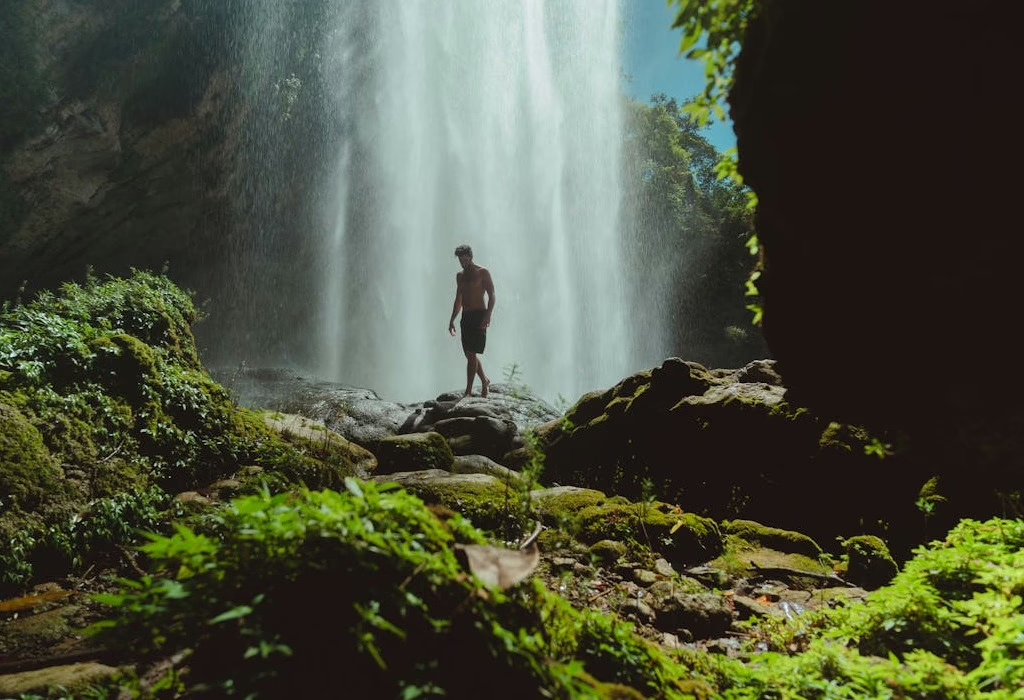
Mexican nature is not just something to see. It is something to feel, respect, and protect. When travelers explore responsibly, support conservation areas, and follow local rules, they help keep these places safe for future generations. The forests, animals, mountains, and rare natural events will continue to exist only if people care for them. By discovering Mexican nature with awareness and gratitude, you become part of its story. And long after your trip ends, the memory of its landscapes and wildlife will stay with you. Would you like to explore Mexican nature on your next trip? Tell us in the comments!