




ⓘ Quick Answer: What seasonal foods are eaten in Mexico in November?
Seasonal foods in Mexico during November vary by region and tradition. Pan de muerto is associated with Día de Muertos across much of the country, while Yucatán is known for mucbipollo, Oaxaca for pan de yema, and Baja California for seasonal seafood and locally harvested ingredients.
Seasonal Foods to Try in Mexico in November
| Region | Seasonal Food | Why It Matters |
|---|---|---|
| Yucatán | Mucbipollo | A pit-baked tamal traditionally connected with Hanal Pixán. |
| Central Mexico | Pan de Muerto | A Día de Muertos bread commonly placed on ofrendas and shared during the season. |
| Oaxaca | Pan de Yema | A rich egg-yolk bread closely tied to local Día de Muertos traditions. |
| Baja California | Seasonal Seafood | Fresh coastal catches and local produce reflect the region’s November food season. |
Introduction
Each region of Mexico shapes its own mix of breads, seafood, and traditional November dishes. From heritage Pan de Muerto to Baja’s coastal harvest, Oaxaca’s yolk loaf, and Yucatán’s pit-baked mucbipollo, every bite tells a local story. Insights from food experts reveal the history and traditions behind these seasonal favorites.
- Discover Yucatán’s Pit-Baked Mucbipollo
- Pan de Muerto Reflects Local Heritage
- Taste Oaxaca’s Rich Yolk Loaf
- Savor Baja’s Fresh Coastal Harvest
Discover Yucatán’s Pit-Baked Mucbipollo
Different regions of Mexico offer distinctive November foods, but Yucatán’s large pit-baked mucbipollo is probably the best known after pan de muerto.
In Merida,
On the Maya Day of the Dead, Hanal Pixan (November 1st), families of Maya descent make tamales by wrapping layers of corn dough, chicken, pork and achiote in banana leaves and then placing them in an earth oven that Maya communities call a pib.
I had one slice of Mucbipollo from a market stall in Merida and it was dense and very smoky – quite different from the usual soft, steamed tamal.
In Oaxaca, they make and leave offerings of mole negro for the dead in November, and in central Mexico calabaza en tacha (simmered pumpkin in piloncillo syrup) is a food left out for the dead in November. It’s better to eat at a local market and have what they are serving that day than to go to a restaurant and order off a menu.
 Daniel Goh, Chief Marketing Officer, RankAISearch
Pan de Muerto Reflects Local Heritage
For me, the food that best captures November in Mexico is pan de muerto, the sweet bread that families traditionally eat and offer during Día de Muertos on November 1 and 2.
What makes it especially interesting is that it isn’t one identical recipe found everywhere. Different communities have developed their own shapes, ingredients, and decorations, so trying it in more than one region can tell you something about local traditions.
In Mexico City and much of central Mexico,
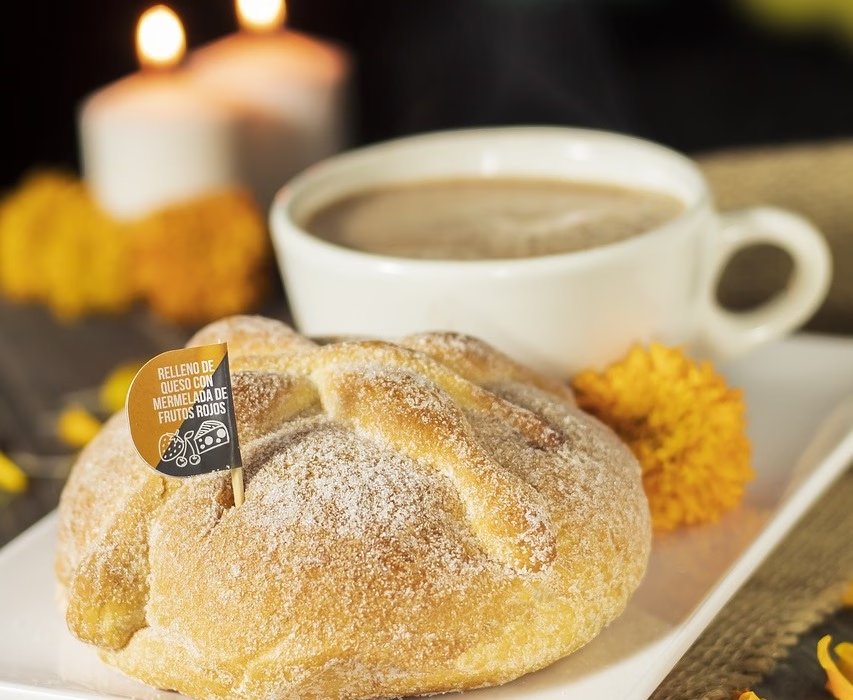
The version many travelers recognize is a round, soft loaf topped with pieces of dough shaped like bones, often finished with sugar.
Orange blossom or citrus flavors are common. It is easy to think of this as the standard version, especially when bakeries display it prominently in the weeks leading up to the holiday, but that’s only one expression of the tradition.
In Oaxaca, families closely connect pan de yema with the Día de Muertos season. It is a rich, egg-based bread, and some versions are decorated with small sugar faces representing the departed.
In Michoacan,
Families may include dark, glossy pan de hule or shape and decorate breads to represent people, animals, and flowers. Those differences aren’t just creative bakery variations. They reflect the ways communities remember relatives and prepare offerings for them.
What I find most meaningful about pan de muerto is that it has a purpose beyond being a seasonal treat. Families place bread on ofrendas alongside other foods and objects connected to loved ones who have died. It is part of a remembrance tradition that carries different local expressions while remaining recognizable across much of the country.
If I were exploring Mexico in early November,
I’d make a point of visiting a neighborhood bakery and asking which bread is traditionally made for the holiday in that area.
I wouldn’t assume that the round, sugar-coated loaf is the only authentic version. Learning why a community makes a particular shape or uses a particular decoration is often as interesting as tasting it.
That is why pan de muerto stands out to me: one seasonal food can reveal both a shared celebration and the distinct identities of the regions where it is made.
 Joe Benson, Cofounder, Eversite
Taste Oaxaca’s Rich Yolk Loaf
I’d pick pan de muerto, especially around Dia de Muertos. It’s a seasonal bread whose regional differences are worth seeking out. In Mexico City, the familiar version is round, with raised dough bones. A dusting of sugar covers the crust, and orange blossom often scents the dough.
In Oaxaca, pan de yema brings an egg yolk rich version to the celebration. Decorated faces appear on breads made for the occasion. Those details give a traveler something specific to look for at a bakery.
From a food recognition perspective,
I’d be careful with that shared name. A photograph can show the shape and surface decoration. The recipe still needs its own description. I’d want a regional food entry to preserve the local name and ingredients. That matters when breads share a holiday but differ in preparation.
For a November food itinerary, I’d put a bakery visit near the beginning. Ask what the bread is called locally and what gives it its aroma. Have it with hot chocolate or coffee, and pay attention to the crumb. The egg yolk bread has a richness worth tasting on its own.
 Jose Gaviria, AI Food Tech Specialist, Comi AI
Savor Baja’s Fresh Coastal Harvest
Baja California’s November identity is defined less by a single holiday bread and more by the meeting of cooler weather, coastal harvests, and wine-country produce.
In Ensenada and the Guadalupe Valley,
Visitors should watch for dishes featuring shellfish, olive oil, dates, and newly harvested vegetables. I would especially seek menus that identify the fishing port or farm behind an ingredient.
This is also an excellent month for simple preparations, such as grilled clams or fish served with regional citrus and herbs. The strongest experience comes from noticing restraint, because the season’s appeal often lies in freshness rather than elaborate presentation.
 Reid Breitman, Personal Injury Lawyer, Kuzyk Law Personal Injury & Car Accident Lawyers
What These Seasonal Foods Reveal About Mexico
These seasonal foods show that November traditions in Mexico vary significantly by region. Families connect some foods closely with Día de Muertos and traditional offerings, while others reflect local harvests, fishing seasons, and regional ingredients. Together, they show how food traditions can reveal both shared celebrations and distinct local identities.
Frequently Asked Questions About Seasonal Foods in Mexico
What foods are traditionally eaten in Mexico in November?
November foods vary by region, but common examples include pan de muerto, mucbipollo, pan de yema, calabaza en tacha, mole, and seasonal seafood.
Is pan de muerto the same throughout Mexico?
No. Pan de muerto varies by region in its shape, ingredients, decorations, and preparation. Oaxaca, central Mexico, and Michoacán all have distinctive traditions.
What is mucbipollo?
Mucbipollo is a large Yucatecan tamal made with corn dough, meat, achiote, and banana leaves. It is traditionally cooked underground in a pib and associated with Hanal Pixán.
Related Articles
- 4 Things to Know Before Attending Mexico City Day of the Dead Parade.
- 25 Local Food Experiences That Exceeded Expectations.
- Mixquic Mexico: Is it Suitable for First-Time International Visitors?