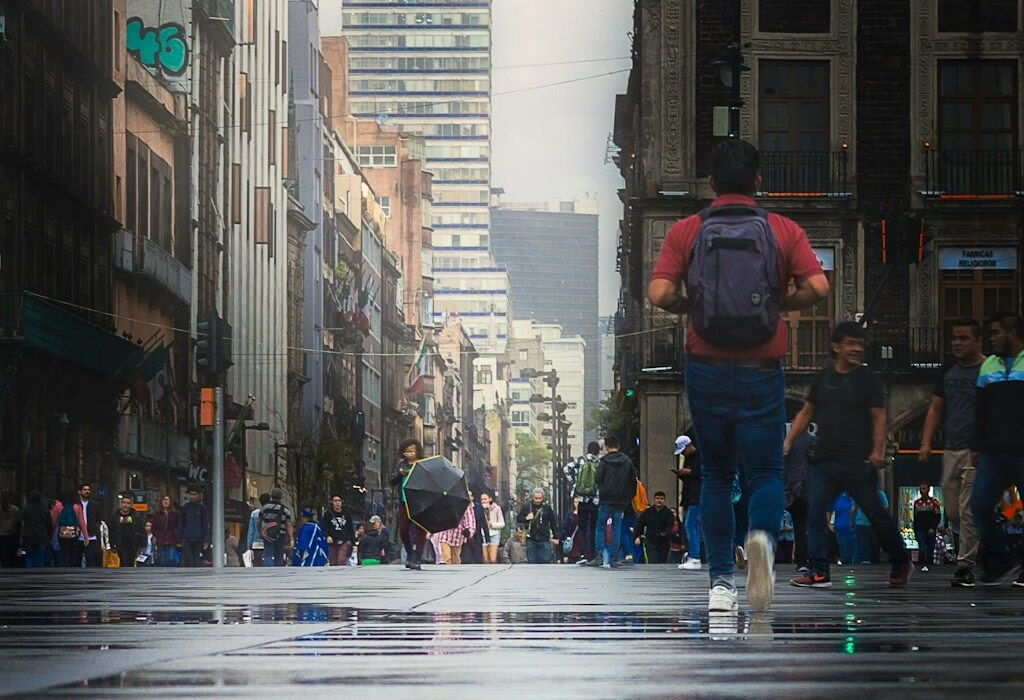








ⓘ Quick Answer: What is everyday life like in Mexico after the rainy season?
After the Mexico rainy season, many central and southern destinations experience more predictable outdoor conditions, greener landscapes, cooler mornings, and easier afternoons for markets, walking, dining, and local activities. However, the transition varies by region, and coastal or southeastern areas may remain humid or receive rain later into the year.
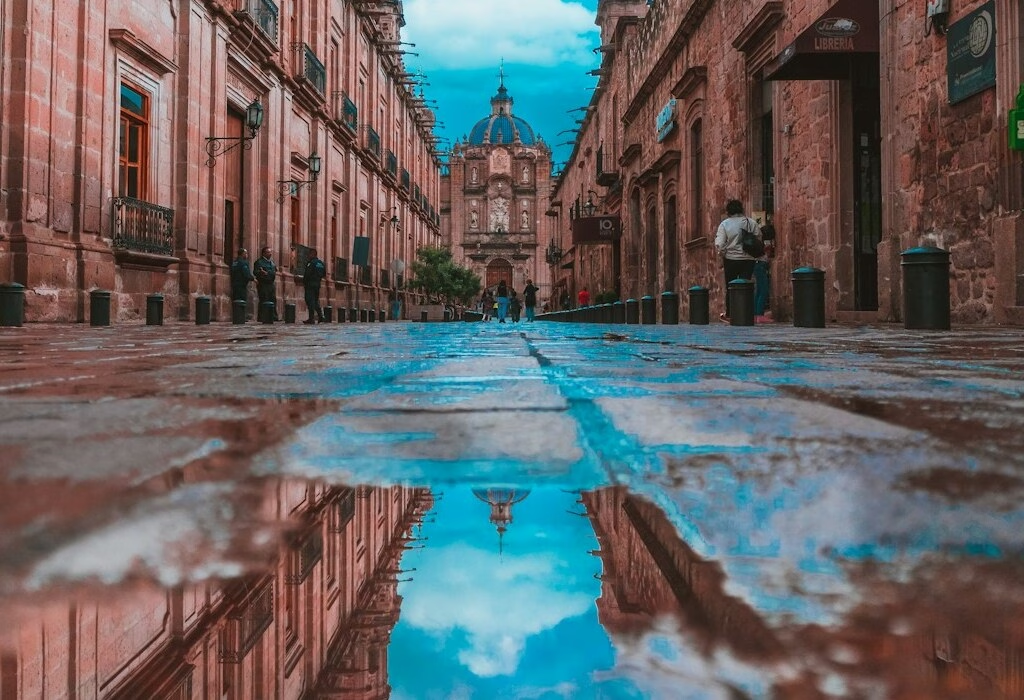
How Life Changes After the Rainy Season Across Mexico
| Región | What Travelers May Notice |
|---|---|
| Ciudad de México | Drier afternoons, cooler mornings and evenings, and more predictable conditions for walking, markets, dining, and outdoor plans. |
| Oaxaca | Green hills, fewer regular afternoon downpours, active markets, and seasonal traditions as the weather shifts toward autumn. |
| Cozumel and the Mexican Caribbean | Lush vegetation may remain after the heaviest rains, while humidity, occasional showers, and seasonal nortes can still influence outdoor and boat plans. |
| Southern and Southeastern Mexico | Rain and humidity may continue later than in central Mexico, so travelers should not assume that conditions are equally dry nationwide. |
| Higher-Elevation Destinations | Mornings and evenings can feel noticeably cooler even when afternoons are dry, sunny, and comfortable for outdoor activities. |
Introducción
After the rainy season, Mexico takes on a greener, calmer rhythm that shapes everyday life. From Cozumel’s lush streets to restored community services, local routines reflect patience, care, and change. Contributors and residents share how routines, outdoor activities, travel conditions, and community life can change as the rains begin to ease.
- Embrace Cozumel’s Verdant Island Life
- Enjoy Extended Afternoons and Autumn Traditions
- Notice Mexico’s Slower, Drier Rhythm
- Document Changed Arrangements Early
- Observe Communities Restore Daily Systems
- Respect Local Labor and Schedules
Embrace Cozumel’s Verdant Island Life
Daily Life in Mexico Following the Rainy Season
My name is Silvia Lupone, and I own Stingray Villa in Cozumel, Mexico. I truly enjoy seeing the “green” side of Cozumel as it emerges from its rainy season. Trees look lusher, garden blooms are more vibrant than ever, and the entire island feels rejuvenated.
While Mexico has muchas regiones, each with different daily routines, in the Mexican Caribbean most rainfall occurs in September and October; however, we may still get light showers in early November.
Outdoor Fun Returns
As the weather improves, people spend more time outdoors. Locals are seen strolling downtown streets, visiting local markets, meeting friends for lunch, and dining al fresco. It seems like nothing stops us from being active in our community. However, we have also learned to plan for those rainy moments.
It is an excellent opportunity for travelers to explore other aspects of this beautiful island. Consider taking a leisurely walk through San Miguel, visiting Punta Sur, enjoying a longer-than-usual lunch, or planning your next day-long scuba dive adventure.
One additional consideration is the potential for cold-front activity, referred to as “nortes,” which brings stronger winds and cooler temperatures during the fall and winter months. As such, we closely monitor forecasts when planning to take a boat trip.
Having lived in Cozumel for over 15 years, I have come to realize that the best days don’t necessarily need perfect weather. Sometimes, the best days are simply about slowing down and appreciating the small things in life.
 Silvia Lupone, Dueño, Villa Raya
Enjoy Extended Afternoons and Autumn Traditions
My big takeaway is that now afternoons are yours to do with as you will. When I traveled to Oaxaca y Ciudad de México in early November, the heavy summer downpour that typically occurred every day at 4pm was non-existent. Streets and plazas were packed with people who normally would have gone home hours earlier. Also, vendors with street food and other wares would remain outside to serve customers as late into the evening as they wished.
The hills surrounding Oaxaca were very green due to the many months of rain that had fallen prior to my trip. The roads that led to many of the rural villages and the many mezcal palenques were beautiful and wound around the green hills. Markets were filled with orange cempasuchil marigolds and stands selling pan de muerto and sugar skulls for Día de Muertos. Families were cleaning graves and decorating them in preparation for the following day. In the mornings and late afternoons in Mexico City, it was cool enough to wear a jacket, but it would heat up very quickly by midday.
There were still a few rough patches on some of the back roads, and the prices for places to stay seemed to jump up for the peak season. I tried to book my rooms well in advance, usually around the first of November for a two-week trip. But otherwise, Mexico was a beautiful place to be as it transitioned from summer to fall.
 Daniel Goh, Chief Marketing Officer, RankAISearch
Notice Mexico’s Slower, Drier Rhythm
To me, the biggest change in everyday life after Mexico’s rainy season is how much more predictable the hours outdoors become. In many parts of central and southern Mexico, the summer months bring regular afternoon downpours. As those rains taper off around October or November, people can make plans with less concern that a storm will interrupt the afternoon. That doesn’t transform daily life overnight, but it changes the small decisions that shape a typical day.
I think of a place like Oaxaca City, where the difference can be as ordinary as running errands without carrying an umbrella or arranging to meet friends outside later in the day. Market stalls, neighborhood plazas, and sidewalks remain part of daily life during the rains, of course. With more consistently dry afternoons, however, outdoor activities are easier to schedule and people can linger without watching the sky quite so closely.
The surroundings tell their own story. Trees and hillsides may still look green from months of rain, while roads and walking paths gradually become less muddy. In farming communities, the transition also overlaps with harvest activities for crops such as maize, though timing varies by crop and location. A visitor paying attention to markets can see some of that seasonal rhythm through the produce and foods being sold, rather than only through the weather forecast.
The change isn’t identical across Mexico. Higher elevations can bring chilly mornings and evenings even when afternoons feel pleasant. Some coastal and southeastern areas remain humid or rainy, and storms can still affect parts of the country late in the season. I wouldn’t assume that a dry-season forecast for Mexico City describes conditions in Veracruz o Chiapas.
What I find appealing about this time of year is that the ordinary routines become easier to appreciate. You can take a longer walk through a neighborhood, stop for food at a market, or spend time in a plaza without building the entire afternoon around possible rain. My advice is to observe those everyday patterns instead of treating the season only as a reason to visit famous attractions. The most revealing change is often not a dramatic event, but the simple way a town settles into a different pace.
 Joe Benson, Cofounder, Eversite
Document Changed Arrangements Early
One post-rainy-season reality is that travel plans become more active before local systems have fully caught up. Tour operators may change pickup points, roads may reopen in stages, and accommodation repairs can alter entrances. Those changes are easy to treat as inconveniences, yet they can affect safety and insurance questions because the promised arrangement and the actual conditions are not always the same.
I would save screenshots of itinerary changes, notices, and messages about alternate locations. If an accident follows a last-minute change, those records establish context without relying on recollection. Travelers should check reporting deadlines early. Waiting to return home can create disputes, even with a genuine injury.
 Chrissy Grigor, Personal Injury Lawyer & Founder, Grigor Law Injury & Car Accident Lawyers
Observe Communities Restore Daily Systems
Post-rainy-season travel rewards attention to the systems that make a place function, not just the forecast. Sidewalk repairs, drainage cleanup, reopened trails, and changing transit times can shape a day more than temperature. For residents, this is often a practical reset, balancing the pleasure of drier evenings with the work of repairing homes, roads, and shared spaces affected by months of water.
I approach it as a chance to travel with less entitlement and more observation. Confirm access conditions before heading out, support businesses as routines normalize, and avoid treating damaged infrastructure as a curiosity. The meaningful experience is often noticing the collective effort behind a city’s return to pace.
 Sherif Koussa, director ejecutivo, Software Secured
Respect Local Labor and Schedules
A post-rainy-season visit offers a chance to see the difference between visiting and belonging. The landscape may be green, but daily life still runs on commutes, deliveries, repairs, and schedules. Visitors fit gracefully when they plan around those realities instead of expecting services to operate on vacation time.
At PERC Engage, one lesson is that customer experience depends on backstage work. Travel works similarly. A smooth restaurant meal may depend on staff navigating wet deliveries or a changed route. Patience, clear communication, and modest expectations are practical ways to reduce friction and recognize the labor that keeps a destination welcoming after the rains.
 Xavier Berkness, President & CTO, PERC Engage
Fequently Asked Questions About Mexico Rainy Season
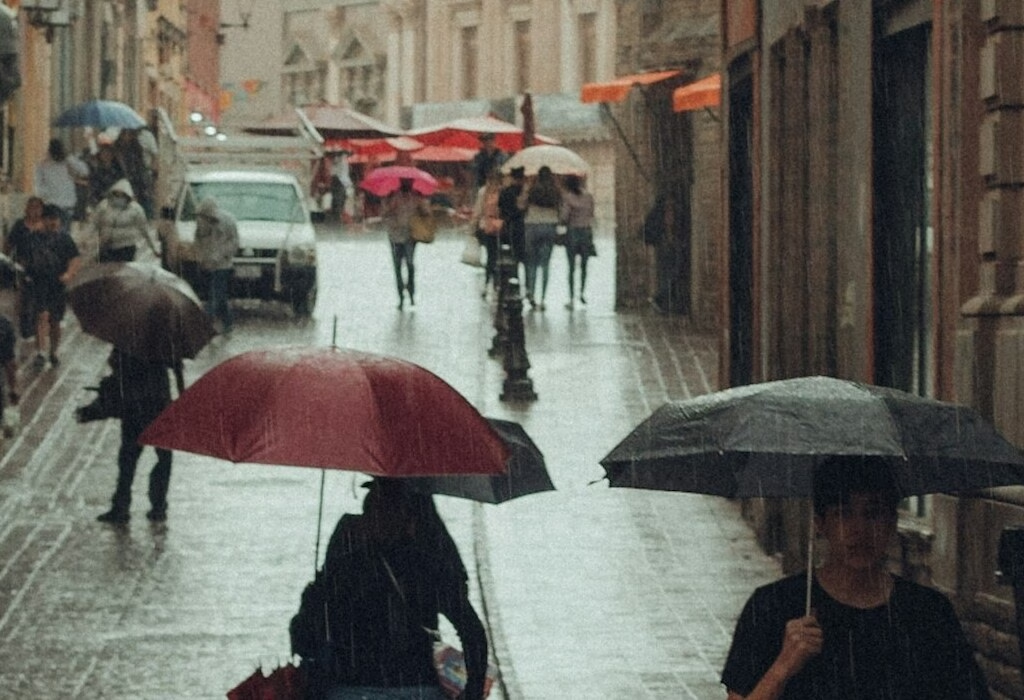
When Does the Rainy Season End in Mexico?
There is no single nationwide date. In many central areas rainfall decreases around October and November, while some coastal and southeastern regions can remain wetter longer.
Is Mexico Still Green After the Rainy Season?
Yes. In many destinations, vegetation remains especially green immediately after months of rainfall, even as afternoons become progressively drier.
Is After the Rainy Season a Good Time to Visit Mexico?
It can be. Travelers may find greener landscapes and more predictable outdoor conditions, but weather varies considerably by destination and elevation.
Artículos relacionados
- 4 cosas que debes saber antes de asistir al desfile del Día de Muertos en la Ciudad de México.
- Mixquic México: ¿Es adecuado para visitantes internacionales que vienen por primera vez?.
- ¿Qué hace que La Llorona en Xochimilco sea diferente de una atracción turística típica?